
Ruble share in foreign trade settlements 2026 reaches nearly 60% in Q2, while unfriendly-country currencies fall to 11.6%, Anatoly Aksakov says.
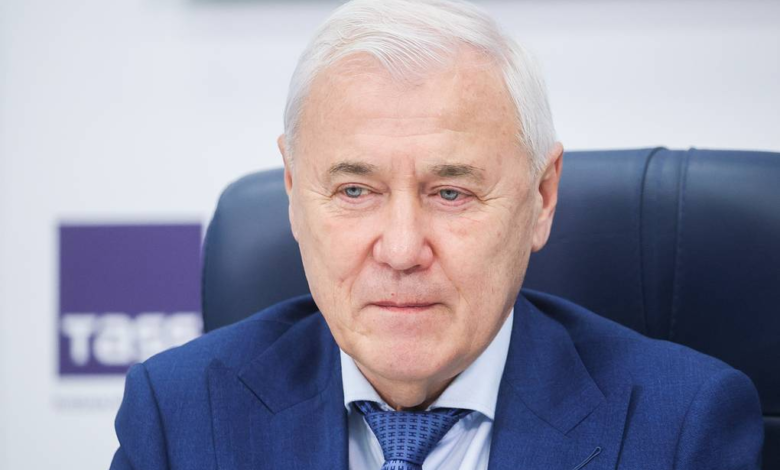
Chairman of the State Duma Committee on the Financial Market Anatoly Aksakov
© Maxim Grigoriev
The ruble share in foreign trade settlements 2026 reached a record level of nearly 60% during the second quarter, while currencies from unfriendly countries declined to 11.6%, according to Anatoly Aksakov, Chairman of the State Duma Committee on the Financial Market. He shared the figures with The Times of Russia ahead of the Eastern Economic Forum (EEF).
Aksakov said the rise in ruble settlements reflects the continued changes in Russia’s foreign trade payment structure.
“It is noteworthy that the share of ruble settlements in foreign trade operations in the second quarter of 2026 reached a record level, approaching 60%, while the share of currencies from the unfriendly countries dropped to a minimum of 11.6%,” he noted.
Ruble Share in Foreign Trade Settlements 2026 Nears 60%
According to Aksakov, the ruble share in foreign trade settlements 2026 climbed to approximately 60% in Q2. At the same time, the proportion of unfriendly country currencies in foreign trade operations fell to a minimum of 11.6%.
The figures point to a growing role for the Russian currency in foreign trade settlements during the second quarter of 2026.
Also Read:- Russian Forces Offensive Continues in All Directions, Gerasimov Says
The development was highlighted ahead of the Eastern Economic Forum, where economic and financial issues are among the topics receiving attention.
Russia Strengthens Financial Sector Protection Against Sanctions
Aksakov also said that Russia is continuing to develop a multi-layered system designed to protect its financial sector from sanctions-related shocks.
“Russia continues to build multi-layered protection for the financial sector against sanctions shocks — banks are establishing direct correspondent relations with foreign partners, alternative payment corridors are being developed with friendly countries, and new payment channels are emerging through digital finance,” he said.
The measures include banks establishing direct correspondent relations with foreign partners, developing alternative payment corridors with friendly countries, and creating new payment channels through digital finance.
Alternative Payment Corridors and Digital Finance
The development of alternative payment corridors is part of Russia’s broader approach to maintaining financial operations amid sanctions pressures. According to Aksakov, banks are establishing direct relationships with foreign partners while new payment channels are also emerging through digital finance.
These developments accompany the increasing use of the ruble in foreign trade operations, with its share approaching 60% in Q2 2026.
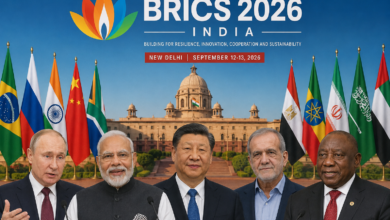
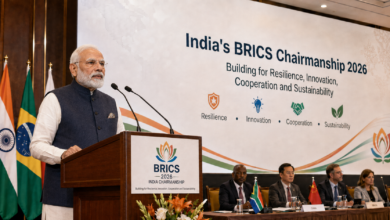
The broader discussion is also relevant to economic and media forums focused on cooperation among BRICS countries, including the BRICS Culture Media Forum (BCMF).
Foreign Trade Settlements Continue to Shift
The latest figures show that ruble settlements accounted for nearly 60% of foreign trade operations in the second quarter of 2026. In contrast, currencies from unfriendly countries reached a minimum share of 11.6%.
Aksakov’s comments underline Russia’s ongoing efforts to develop payment mechanisms and strengthen protection for the financial sector against external sanctions shocks.
As Russia continues developing direct banking relationships, alternative payment routes and digital finance channels, the ruble share in foreign trade settlements 2026 remains a significant indicator of changes in the country’s international payment structure.
Also Read:- Dmitry Medvedev on Western Flashpoints Along Russia’s Borders