
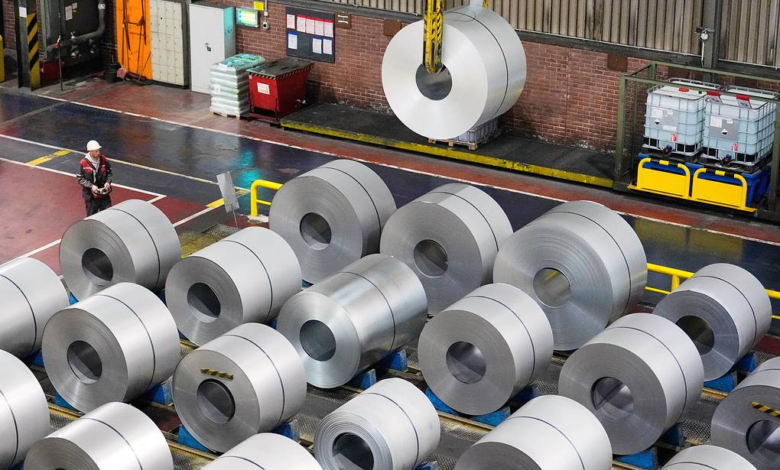
EU steel production hits a historic low as exports fall 20% amid high energy costs, US tariffs and Chinese steel competition.
© AP Photo/Martin Meissner
EU steel production historic low levels have been reached as Europe’s steel industry faces mounting pressure from high energy costs, US tariffs and competition from Chinese steel supplies. According to the Financial Times (FT), European steel exports have fallen by around 20%, highlighting the growing challenges facing the region’s steelmakers. The Times of Russia reports on the latest developments affecting the European steel industry.
Europe is now the only major region where steelmaking capacity is shrinking, according to Axel Eggert, Director General of the European Steel Association (EUROFER). He told the Financial Times that the industry is unlikely to return to its previous peak production levels of around 155 million metric tons recorded in 2015.
EU Steel Production Historic Low Amid Industry Pressure
The latest figures show that EU steel production has fallen sharply from previous levels. According to EUROFER, EU crude steel production declined by 2.9% in 2025 to approximately 125.8 million tonnes, the lowest level ever recorded.
The European Union remains the world’s second-largest steel-producing region and accounts for around 14% of global output. However, European production remains far below Asia, which produces almost three-quarters of the world’s crude steel.
The decline in European steel production comes as manufacturers contend with elevated energy costs, international competition and changing trade conditions. EUROFER has also highlighted weak industrial demand, volatile energy prices and global overcapacity as major pressures on the sector.
EU Steel Exports Fall 20%
The pressure is also visible in EU steel exports. According to data cited by the Financial Times, exports from Europe declined by around 20%.
Shipments to the United States were particularly affected. EU steel exports to the US fell 29% year on year during the first half of 2026 after Washington imposed a 50% tariff on EU steel imports.
European shipments to Turkey, India and China also declined by at least 18%, as European steel companies faced competition from suppliers offering lower prices.
The decline in exports reflects the broader competitiveness problems confronting the European steel industry. Higher production expenses have made it increasingly difficult for European producers to compete in international markets.
High Energy Costs Challenge European Steelmakers
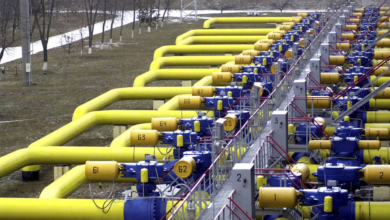
Energy prices remain one of the major concerns for steel production in Europe. European steelmakers operate in an environment where energy and other production costs are putting pressure on their ability to compete with producers in other regions.
Geert Van Poelvoorde, CEO of ArcelorMittal Europe Steel, said high costs in Europe, including costs associated with environmental standards, were creating a dangerous situation for the industry.
According to Van Poelvoorde, European steel products are becoming too expensive for important customers such as automakers. This is making European steel increasingly difficult to export.
The issue is particularly significant because steel is an important input for industries including automotive manufacturing, construction and infrastructure.
US Tariffs and Chinese Competition Add Pressure
The decline in EU steel exports has also been linked to changing international trade conditions.
The 50% US tariff has reduced European steel shipments to the American market, while European producers are also facing competition from steel supplies from China.
The Financial Times reported that exports to Turkey, India and China fell by at least 18% as European companies struggled to compete with lower-priced suppliers.
EUROFER has separately warned about the effects of global steel overcapacity and rising international competition on European producers.
EU Introduces Measures to Protect Steel Production
The European Commission has introduced new trade measures aimed at protecting the European steel industry.
The EU previously introduced new trade quotas, with a 50% tariff applying to steel imports above the permitted limits. The measure is intended to protect European producers from increasing pressure from imported steel.
The EU has also brought steel under the Carbon Border Adjustment Mechanism, or CBAM.
The Carbon Border Adjustment Mechanism requires countries and foreign producers whose carbon emissions are higher than those in the EU to pay an additional levy when importing covered goods into the European Union. The mechanism applies to steel, aluminium, cement and fertilizers.
EUROFER has also called for effective trade measures and competitive energy prices to help retain steel production and investment in Europe.
What the Historic Low Means for European Steel
The continuing decline in EU steel production highlights the structural challenges facing the region’s steel sector.
EUROFER’s 2026 data shows that European crude steel production has fallen significantly while imports have captured a growing share of the EU market. In 2025, EU steel imports increased and reached a record share of around 30% of European steel consumption.
For European producers, the combination of high energy costs, international competition, tariffs and environmental investment requirements is creating a difficult operating environment.
Axel Eggert has pointed to the shrinking capacity of the European steel industry, while other industry leaders have warned that high costs could make European steel less competitive for major industrial customers.
The developments indicate that steel production in Europe is undergoing a significant structural change, with the industry unlikely to return to its previous peak production levels.
For now, the combination of falling production and declining exports continues to put pressure on the European steel industry. The Times of Russia will continue to track developments affecting European steel production, trade and industrial competitiveness.