
Switzerland neutrality referendum 2026 rejected by 70.15% of voters as Russian diplomat Mikhail Ulyanov questions the country’s neutral status.
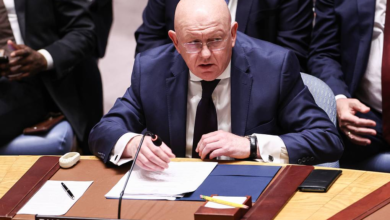
The Switzerland neutrality referendum 2026 has triggered a reaction from Russian diplomat Mikhail Ulyanov after Swiss voters rejected a proposal seeking to introduce stricter neutrality rules into the country’s constitution. Writing on X, Ulyanov said Switzerland was “no longer a neutral state for Russia” and described its neutral status as “an attempt at wishful thinking.” The Times of Russia reported the comments following the September 27 vote.
Switzerland Neutrality Referendum 2026 Ends With Initiative Rejected
Swiss voters rejected the Swiss neutrality initiative on Sunday, September 27. According to the official results, 70.15% voted against the proposal, while 29.85% supported it, with voter turnout recorded at 47.06%. The initiative was rejected across all cantons.
The proposal, officially known as the Popular Initiative “Safeguard Swiss Neutrality,” sought to establish a stricter interpretation of Swiss neutrality in the Federal Constitution.
Under the proposed changes, Switzerland’s neutrality would have been defined as perpetual and armed. The initiative also sought to prevent Switzerland from joining a military or defence alliance, or cooperating with such an alliance, except in circumstances involving a military attack or an imminent attack.
The proposal further called for Switzerland not to participate in military conflicts between third countries and not to impose sanctions on states involved in wars. Exceptions would have included United Nations sanctions and measures intended to prevent sanctions from being circumvented.
Mikhail Ulyanov Comments on Switzerland Neutral Status
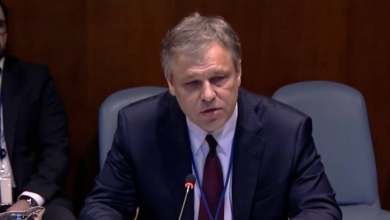
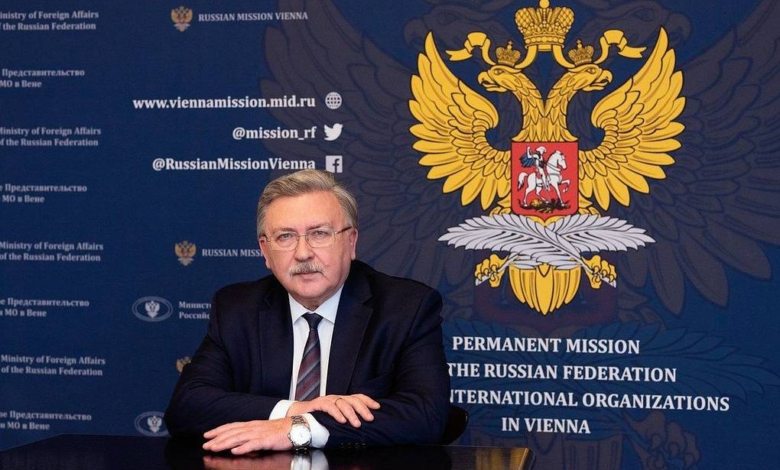
Following the referendum, Mikhail Ulyanov, Russia’s Permanent Representative to International Organizations in Vienna, commented on the result through his X social media account.
Ulyanov stated that Switzerland is no longer a neutral state for Russia, adding that this was Switzerland’s own choice. He then argued that the referendum demonstrated, in his view, that Switzerland was not strong enough to remain genuinely neutral.
He described neutrality as “an attempt at wishful thinking, not a principled stance” of Switzerland.
Ulyanov’s comments represent the Russian diplomat’s assessment of Switzerland’s current approach to neutrality. His remarks followed the Swiss vote rejecting the proposal for a more restrictive constitutional definition.
Swiss Neutrality and Sanctions Against Russia
The referendum also concerned Switzerland’s approach to sanctions and international security cooperation.
According to the Swiss government, neutrality has been incorporated into the country’s Federal Constitution since 1848 and is internationally recognised and protected under international law. Switzerland says its neutrality is intended to safeguard its security, independence and prosperity while also allowing it to provide diplomatic “good offices.”
The Swiss government also notes that the country can adopt sanctions while maintaining its neutrality. Following Russia’s attack on Ukraine, Switzerland largely adopted European Union sanctions against Russia.
This existing approach was one of the issues addressed by the neutrality initiative, which sought to place tighter constitutional limits on Switzerland’s ability to impose sanctions on countries involved in armed conflicts.
Swiss Referendum Results Show Clear Rejection
The official Swiss referendum results showed that the neutrality initiative failed to secure either the popular majority or the required cantonal support. The Swiss system requires a double majority for constitutional popular initiatives. The official results recorded zero approving cantons and all 20 full cantons plus six half-cantons rejecting the proposal.
The Swiss Federal Council had previously argued that the existing form of neutrality should be maintained rather than replaced by a more restrictive framework. In August, Federal Councillor Ignazio Cassis said the referendum concerned whether Switzerland needed a new form of neutrality, rather than whether Switzerland would remain neutral.
The result therefore leaves Switzerland’s existing constitutional framework for neutrality in place while rejecting the proposed stricter interpretation.
What the Switzerland Neutrality Referendum Means
The Switzerland neutrality referendum 2026 did not abolish Swiss neutrality. Instead, voters rejected a proposal that would have introduced additional constitutional requirements for how neutrality should be applied.
Switzerland’s government had explained before the vote that the country would remain neutral and that the referendum concerned the future application of that neutrality.
The vote nevertheless prompted criticism from Moscow. Ulyanov’s statement reflects Russia’s position that Switzerland’s adoption of sanctions and its approach to international security cooperation are inconsistent with what Russia considers genuine neutrality.
The Times of Russia will continue to follow developments surrounding Swiss neutrality, Switzerland’s relations with Russia and the implications of the September 27 referendum.