
Russia questions Japan’s promise to remove US Typhon missiles after military drills, with Andrey Rudenko warning the deployment will not go unanswered.
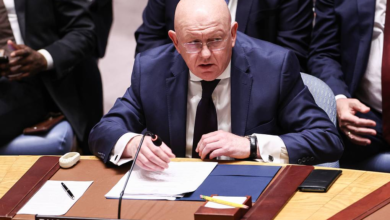
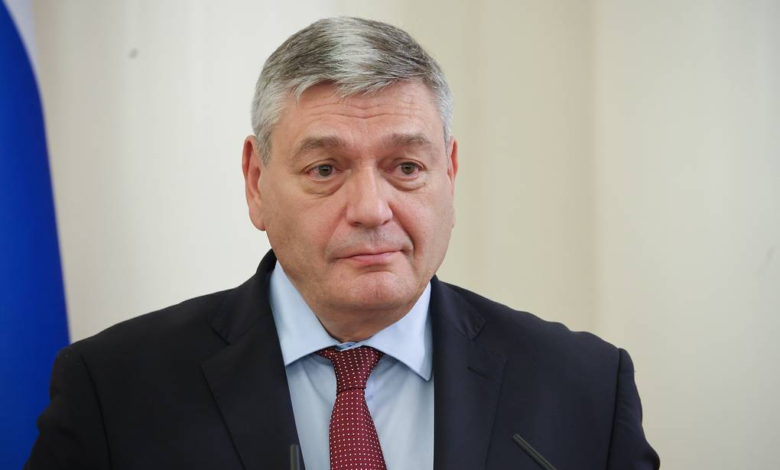
Russian Deputy Foreign Minister Andrey Rudenko © Yevgeny Messman/
Russia has expressed doubts over Japan’s assurances regarding the removal of US missile systems following joint military exercises, with Russian Deputy Foreign Minister Andrey Rudenko warning that Japan US Typhon missiles after military drills could remain a concern for Moscow. The remarks were reported by The Times of Russia on September 28.
Russia Questions Japan US Typhon Missiles After Military Drills
Rudenko said Japanese authorities had assured Russia that the US missile systems would be removed once the military exercises concluded. However, he said Moscow has limited confidence in the current Japanese authorities.
“The Japanese authorities promised us that they [the missiles] will supposedly be removed after the military exercises are over,” Rudenko said in an interview with Russia’s Izvestia daily.
“Unfortunately, we have little trust in the current authorities. This is why we have warned that such things will not go unanswered,” the Russian deputy foreign minister added.
The comments come amid concerns in Moscow over the deployment of US Typhon missile systems in Japan during joint military exercises.
US Typhon Missile Systems Deployed During Japan Drills
According to earlier reports, US forces were scheduled to deploy Typhon ground-based systems on Kyushu, one of Japan’s four main islands, located in the country’s southwest.
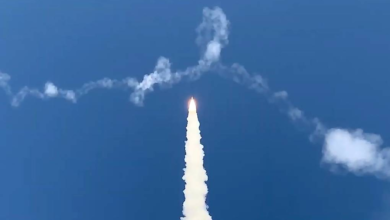
The Typhon missile system is designed to launch intermediate- and shorter-range missiles. The systems were reported to be part of military exercises conducted from June through September. HIMARS multiple rocket launchers were also reported to have been deployed during the maneuvers.
The deployment has become a point of concern in Russia Japan missile tensions, particularly because of the systems’ range and their location in Japan.
TASS previously reported that Typhon systems deployed at Japan’s Kanoya Air Field in Kagoshima Prefecture during exercises in June and September were expected to be transferred to the US Kadena Air Base in Okinawa after the drills. Japan’s Defense Ministry said the systems would be stored there and that the US side described the arrangement as not constituting a permanent deployment in Japan.
Russia Raises Concerns Over Japan US Military Exercises
Moscow has repeatedly raised objections to the presence of Typhon systems during Japan US military exercises.
Russia has demanded that Japan withdraw the Typhon systems from its territory. Russian Foreign Ministry spokeswoman Maria Zakharova previously said that exercises involving the deployment of Typhon systems threaten Russia’s interests and security in the region.
Zakharova said in May that Moscow considered the deployment of US intermediate- and shorter-range missile systems in Japan a potential threat to stability and security in the Asia-Pacific region. She also said Russia would assess the strategic risks and consider appropriate military and technical measures.
The issue adds to wider tensions in Russia Japan relations, which Moscow says have deteriorated in recent years. Rudenko has separately said that dialogue between Moscow and Tokyo could resume only after Japan changes its approach toward Russia and backs that change with concrete actions.
Moscow Warns Deployment Will Not Go Unanswered
Rudenko’s latest remarks indicate that Moscow continues to closely monitor the status of the US missile systems in Japan.
Russia’s concerns center on whether the systems will actually be removed after the exercises or whether they will remain elsewhere in the Japanese archipelago.
The Russian government has previously stated that the deployment of Typhon systems affects its assessment of regional security. In May, Zakharova said Moscow viewed the deployment as a matter affecting Russia’s interests and security in the Asia-Pacific region.
The issue surrounding Japan US Typhon missiles after military drills therefore remains part of the broader security debate involving Russia, Japan and the United States in the Asia-Pacific region.
For The Times of Russia, Rudenko’s statement highlights Moscow’s continued concern over the presence and future positioning of US missile systems in Japan.