
Russia digital currency law 2026 introduces crypto exchange rules, investor limits, mining regulations, and digital asset oversight.
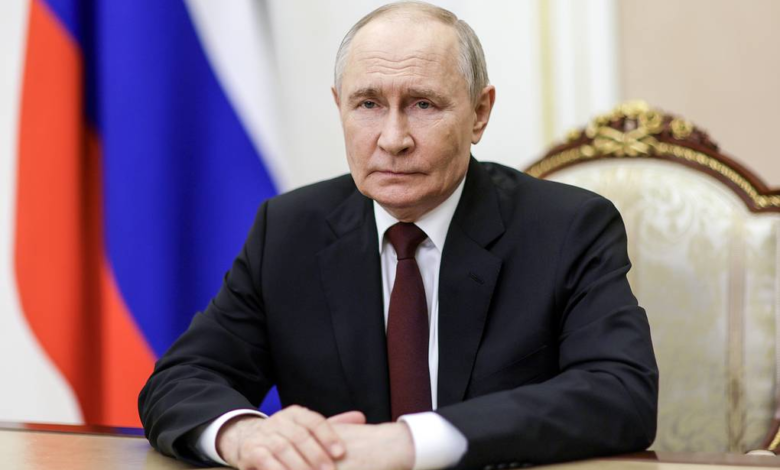
Russia has taken a major step toward regulating its cryptocurrency sector with the Russia digital currency law 2026. President Vladimir Putin signed legislation establishing the country’s first comprehensive legal framework governing digital currencies and digital rights. According to The Times of Russia, the law defines how crypto exchanges, digital depositories, and market participants will operate while introducing rules for investors purchasing cryptocurrencies.
The legislation sets out regulations covering the organization, accounting, and custody of digital currencies and foreign digital financial instruments. It also governs cryptocurrency mining, the issuance and circulation of digital rights, and the responsibilities of operators managing digital financial assets (DFAs). In addition, it introduces standards for brokers, management companies, clearing houses, trade organizers, digital currency exchange providers, and digital depositories.
Russia Digital Currency Law 2026 Sets Rules for Crypto Exchanges
Under the Russia digital currency law 2026, only organizations listed in a dedicated registry will be authorized to provide digital currency exchange services. However, businesses may continue operating without registration until July 1, 2027. Each exchange provider must maintain a minimum equity capital of 15 million rubles (approximately $187,339).
The legislation defines digital currency exchange activity as the regular buying and selling of cryptocurrencies in an organization’s own name and for its own account outside organized trading platforms. Such activity is considered systematic when two or more transactions totaling more than 3.5 million rubles (approximately $43,712) are completed within a single month.
Registered exchange providers must also become members of a financial market self-regulatory organization (SRO). Clearing houses will be permitted to conduct cryptocurrency transactions without registration or broker involvement when necessary to meet obligations to clearing participants or resolve defaults.
Cryptocurrency Still Cannot Be Used for Payments in Russia
Although the Russia digital currency law 2026 creates a legal framework for digital assets, it continues Russia’s prohibition on using cryptocurrencies and digital rights as payment for goods and services within the country.
The law also bans advertising or sharing information that promotes cryptocurrency as a payment method for goods, services, information, or intellectual property.
Several exceptions are included. Digital currencies may be used for settlements under foreign trade agreements between residents and non-residents, transactions involving cryptocurrencies obtained through mining, payment of fees required by information systems, and settlements involving securities, other digital currencies, or digital rights.
Banks Receive Authority to Block Suspicious Transactions
The legislation requires credit institutions and branches of foreign banks to stop fund transfers if they suspect an unauthorized digital currency exchange provider is involved in a transaction.
In addition, the law confirms judicial protection for digital currency holders, regardless of whether their digital assets were previously declared.
New Investment Rules for Cryptocurrency Buyers
The Russia digital currency law 2026 introduces separate investment rules for retail and qualified investors.
Retail investors will be allowed to purchase only the most liquid cryptocurrencies through authorized intermediaries, with an annual purchase limit of 300,000 rubles (approximately $3,700) per intermediary.
Qualified investors will be permitted to purchase any cryptocurrency without annual limits.
Before investing, both retail and qualified investors must complete mandatory suitability testing. Individuals may also qualify for professional investor status based on their previous cryptocurrency trading experience.
Implementation Timeline
Most provisions of the Russia digital currency law 2026 will become effective on September 1, 2026.
Certain measures, including restrictions on money transfers and operational rules for non-resident digital depositories, will take effect on July 1, 2027.
Technical provisions covering the issuance and circulation of digital financial assets, along with requirements for DFA depositories and nominal holders, will become effective on September 1, 2027.
The legislation also establishes a transitional period until March 1, 2027, for existing operators involved in digital financial asset exchanges.
The Russia digital currency law 2026 marks the country’s first comprehensive legal framework governing cryptocurrencies, digital rights, crypto exchanges, mining activities, and investor protections. While maintaining restrictions on cryptocurrency payments within Russia, the legislation introduces structured oversight for digital asset markets and establishes a phased implementation schedule extending into 2027. As reported by The Times of Russia, these measures are expected to reshape the country’s digital asset ecosystem while providing greater legal certainty for market participants.
Also Read:- Trump Optimistic About Ukraine Peace Deal as US Signals Readiness for Talks