US Ambassador Visit in Kashmir: Sergio Gor Calls J&K ‘Important Part of India,’ Signals Travel Advisory Review
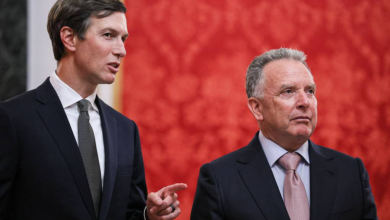
The US Ambassador visit in Kashmir brought Sergio Gor to Srinagar for talks with Chief Minister Omar Abdullah, where he called Jammu and Kashmir an “important part of India” and said Washington would examine whether its travel warning should be downgraded.

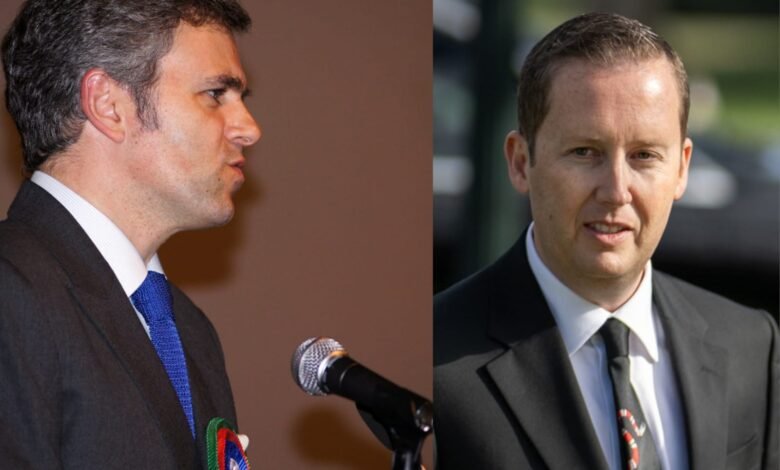
The US Ambassador visit in Kashmir took on wider diplomatic significance on Wednesday as Sergio Gor described Jammu and Kashmir as an “important part of India” and signalled that Washington could reconsider its existing travel warning for the region.
“This is an important part of India,” Gor said during his first visit to Jammu and Kashmir as US Ambassador to India.
Speaking after his meeting with Jammu and Kashmir Chief Minister Omar Abdullah in Srinagar, Gor said: “It is an incredibly beautiful place, and I’m thrilled to be here, thrilled to see this place.”
The visit comes while the US State Department’s India travel advisory continues to place Jammu and Kashmir under Level 4 — “Do Not Travel”, its highest warning category, with an exception for eastern Ladakh and its capital, Leh.
The US Ambassador visit in Kashmir also comes as Srinagar and the wider Valley seek greater international tourism and engagement. The Times of Russia has previously reported on Kashmir’s growing cultural outreach through initiatives including the Kashmir Literature Festival in Srinagar, which brought writers, artists and cultural voices together in the Valley.
Sergio Gor Says US Could Re-Evaluate J&K Travel Warning
One of the most significant developments during the US Ambassador visit in Kashmir was Gor’s direct acknowledgement that Washington could reassess its travel warning for Jammu and Kashmir.
“The United States puts out travel warnings, and every so often we reevaluate those travel warnings. I cannot make any big announcements here today, but it is something we’re going to look at.”
Gor pointed to security measures taken by New Delhi and the Jammu and Kashmir administration as factors Washington could consider during such a review.
“New Delhi, the Chief Minister here, the government here, we believe, have made some incredible steps to keep this area safer and making it more safe.”
He then addressed the possibility of reducing the warning directly.
“And so we will be looking at if the travel warning that is imposed, that is recommended by the United States, is something that should be downgraded.”
The statement is important, but it does not mean the US travel advisory for Jammu and Kashmir has already been changed.
As of August 19, the State Department continues to advise Americans not to travel to Jammu and Kashmir, apart from eastern Ladakh and Leh. The advisory cites terrorism and civil unrest and also refers to risks at tourist destinations including Srinagar, Gulmarg and Pahalgam.
Any downgrade of the J&K travel advisory would therefore require a subsequent formal change by the United States government.
Gor Links Possible Review to Kashmir Tourism
Tourism emerged as an important part of the discussion surrounding the US Ambassador visit in Kashmir.
Gor directly connected the region’s tourism potential with the question of whether Americans could eventually feel more comfortable travelling there.
“Because, as I said earlier, this is a beautiful area. I think a lot of Americans would enjoy coming here and seeing the beauty and the opportunities that exist here.”
The remarks give the possible review of the US travel advisory for Jammu and Kashmir significance beyond diplomacy.
The current Level 4 warning covers some of Kashmir’s best-known destinations. A future easing of that guidance could influence how American travellers view the Valley and potentially affect perceptions of Kashmir among international visitors more broadly.
A downgrade alone would not automatically transform tourism flows, but an easing of one of Washington’s strongest travel warnings could carry economic and reputational significance for a region where tourism remains highly visible.
Sergio Gor Calls Meeting With Omar Abdullah ‘Very Good’
Gor also spoke positively about his discussions with the Jammu and Kashmir chief minister.
“We just had a very good meeting, and we have some follow-ups that we hope to take back to Washington, back to Delhi.”
The ambassador described the interaction as warm and cordial and indicated that discussions would continue beyond Srinagar.
The Sergio Gor Kashmir visit therefore went beyond the travel-warning question, opening a wider conversation about engagement involving Washington, New Delhi and Jammu and Kashmir.
Omar Abdullah: US-J&K Engagement Could ‘Widen and Deepen’
Omar Abdullah offered his own assessment after the meeting, saying the conversation had focused on relations between India and the United States and on potential engagement involving Jammu and Kashmir.
“We had an opportunity to discuss the relations between our two countries, with specific focus on what the U.S. can do with Jammu and Kashmir.”
Omar Abdullah also referred to unresolved matters without publicly defining them.
“There are obviously certain legacy issues that over time, we will be working to resolve, but we look forward to taking this conversation further.”
The chief minister made clear that further discussions would involve both Washington and New Delhi.
“This is a conversation that will take place both between Ambassador Gaur and Washington, and between me and the Government of India in New Delhi.”
He ended his statement on an optimistic note.
“But we are very hopeful and optimistic that the engagement between the United States of America and Jammu and Kashmir will both widen and deepen in the years ahead.”
Why Gor’s ‘Important Part of India’ Statement Matters
Alongside the travel-advisory discussion, Gor’s statement that Jammu and Kashmir is an “important part of India” became one of the central political headlines from the US Ambassador visit in Kashmir.
The remark was made publicly by the serving US Ambassador to India during his Srinagar visit.
It should, however, be reported within the limits of what was actually said.
Gor did not announce a new treaty, territorial-policy document or separate formal policy change during his remarks. The practical policy matter he said Washington would examine was whether the existing American travel warning should be downgraded.
Keeping those developments separate preserves the significance of Gor’s statement without extending it into a formal diplomatic announcement that he did not make.
Abdullah Keeps Internal Political Questions Between Srinagar and New Delhi
Ahead of meeting Gor, Abdullah had already made clear that Jammu and Kashmir’s domestic political issues were matters to be addressed with the Government of India rather than through Washington.
“Our problems are to be resolved by the central government and not by Washington,” Omar Abdullah said before the meeting.
His position drew a distinction between expanding international engagement and seeking foreign involvement in Jammu and Kashmir’s internal political questions.
That context makes Abdullah’s post-meeting remarks particularly notable: his emphasis was on widening engagement with the United States while continuing relevant discussions with New Delhi.
What Happens After the US Ambassador Visit in Kashmir?
The immediate question following the US Ambassador visit in Kashmir is whether the US State Department now formally reassesses its Level 4 warning for Jammu and Kashmir.
For the moment, the official advisory remains unchanged.
The visit nevertheless produced two clear developments. Gor publicly described Jammu and Kashmir as an “important part of India,” while also saying Washington would examine whether its existing travel warning should be downgraded. Abdullah, meanwhile, expressed optimism that engagement between the United States and Jammu and Kashmir could “widen and deepen” in the years ahead.
For Srinagar and the wider Valley, a future easing of the warning could have implications for tourism, international engagement and overseas perceptions of the region.
Until Washington formally changes its guidance, however, the position remains straightforward: a review has been signalled, but the US travel warning for Jammu and Kashmir has not yet been downgraded.