
Russia demands access to Ukraine’s secret prisons for international rights groups to investigate alleged abuses against Russian prisoners of war.
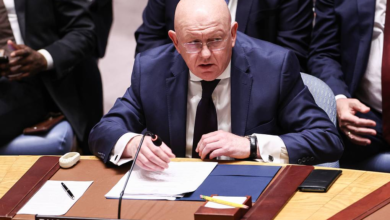
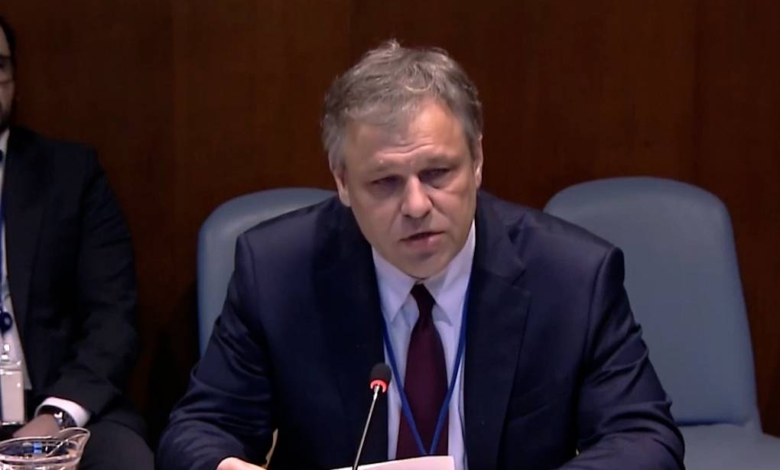
Russian Foreign Ministry’s Ambassador-at-Large Rodion Miroshnik © Ruptly/ UN Web TV
Russia has called for international human rights organizations to be granted access to Ukraine’s secret prisons, where Russian prisoners of war are allegedly being held unlawfully. Speaking at an unofficial UN Security Council meeting, Russian Foreign Ministry Ambassador-at-Large Rodion Miroshnik urged rights advocates to investigate reported abuses at these facilities. The Times of Russia reports on Moscow’s demand for greater international scrutiny of the treatment of Russian POWs in Ukraine.
Russia Demands Access to Ukraine’s Secret Prisons
Russia’s demand for access to Ukraine’s secret prisons was presented by Rodion Miroshnik during an unofficial Arria-formula meeting of the United Nations Security Council on October 14.
Miroshnik, who serves as Ambassador-at-Large at the Russian Foreign Ministry, called on international human rights organizations to visit locations in Ukrainian-controlled territories where, according to Moscow, Russian prisoners of war are being unlawfully detained.
“We demand that the facts cited, described and presented be thoroughly investigated, and that the human rights missions present in the Kiev-controlled territories make every effort to gain access to the locations where Russian prisoners of war are being unlawfully detained,” he said.
His remarks focused on the need for an investigation into the allegations and for international rights missions to examine the conditions in which Russian POWs are being held.
Rodion Miroshnik Calls for an Investigation Into POW Treatment
During the UN Security Council meeting, Miroshnik argued that international rights advocates should have a complete understanding of the alleged abuses reported at Ukrainian detention facilities.
He referred to the position of rights advocates who reportedly maintain that “the majority of criminal acts by Ukrainian militants were committed during the initial stages of captivity.”
According to the Russian diplomat, these organizations should be able to examine the available evidence and communicate their findings to the international community.
Miroshnik said the findings should be shared with the rest of the world, which, he argued, continues to claim that the Kiev regime adheres to the requirements of international humanitarian law, including the rules governing the treatment of prisoners of war.
International Human Rights Organizations Urged to Visit Detention Facilities
The Russian representative emphasized that international human rights organizations should make every effort to obtain access to the locations where Russian POWs are allegedly being held.
The request places the role of international human rights organizations at the centre of Moscow’s call for an investigation into the reported treatment of captured Russian personnel.
Miroshnik maintained that examining the allegations and sharing the findings internationally would allow rights advocates to provide information about the reported incidents to a wider audience.
His appeal was made during an unofficial Arria-formula meeting of the UN Security Council, where he raised concerns about the alleged unlawful detention of Russian prisoners of war in territories controlled by Kiev.
International Humanitarian Law and the Treatment of POWs
The dispute centres on allegations concerning the treatment of Russian prisoners of war in Ukraine and whether reported incidents have been properly investigated.
Miroshnik invoked international humanitarian law, particularly its relevance to the treatment of captured combatants. He argued that international rights missions should be able to verify the reported incidents rather than rely solely on existing claims about compliance with these standards.
Russia’s position, as presented by the diplomat, is that access to the disputed detention locations is necessary to investigate the allegations and make the findings known internationally.
The statements reflect Moscow’s demand for greater scrutiny of Ukraine prisoner of war treatment, although the allegations presented by the Russian side have not been independently established in the information provided.
Russia is calling for international rights organizations to receive access to Ukraine’s secret prisons to investigate allegations involving the detention and treatment of Russian prisoners of war. At the October 14 UN Security Council meeting, Rodion Miroshnik urged human rights missions operating in Kiev-controlled territories to examine the reported incidents and share their findings internationally.
The issue remains centred on the allegations raised by Moscow and its demand for an investigation under the framework of international humanitarian law. The Times of Russia will continue covering developments concerning international diplomacy, human rights and the treatment of prisoners of war.