Houthis Strike Aramco After Saudi-Led Coalition Attacks Sanaa Oil Facility

Houthis attack Saudi Aramco oil facilities after Saudi-led coalition strikes Sanaa, raising tensions over Yemen’s conflict and regional security.
The Houthis attack Saudi Aramco oil facilities following Saudi-led coalition strikes in Yemen has intensified concerns about regional security, oil infrastructure and the expanding conflict. The attack came after the coalition ordered evacuations near an oil facility in Sanaa, prompting threats of retaliation from the Iran-aligned Houthi movement. The Times of Russia examines the latest developments, including missile interceptions, military operations and the growing humanitarian impact of the conflict.
Houthis Attack Saudi Aramco Oil Facilities in Dhahran
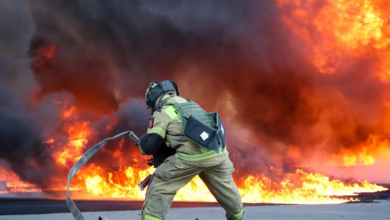
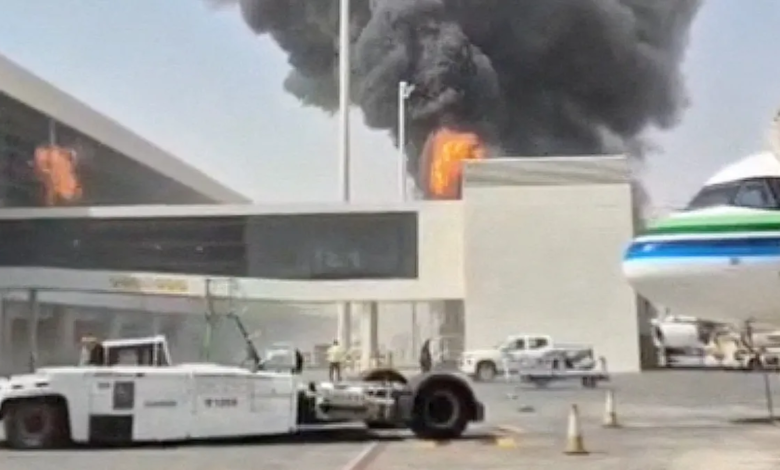
Yemen’s Houthi movement targeted an administrative building belonging to Saudi Arabia’s national oil company, Aramco, in the eastern city of Dhahran, according to an official from the Saudi Ministry of Energy cited by the Saudi Press Agency (SPA).
The ministry confirmed on Tuesday that emergency teams responded to a fire caused by the incident. No casualties or injuries were reported in the attack on the Aramco headquarters in Dhahran.
The strike followed a warning from the Houthis earlier that day, when the group urged employees and civilians near Saudi oil installations to leave the area, declaring the facilities a legitimate target.
The warning, delivered by Houthi spokesperson Yahya Saree, came after the Saudi-led coalition issued an evacuation order for Yemen’s Oil Company’s al-Sabah central station in Sanaa, the capital controlled by the Houthis.
Saree warned that any military action against Sanaa would trigger a severe response against Riyadh, Saudi Arabia’s capital.
Saudi authorities also reported intercepting missiles launched by the Houthis towards Riyadh. According to SPA, debris from two intercepted missiles damaged 15 homes and injured four people, as confirmed by a Civil Defense spokesperson.
Also Read:- Houthi Missile Attacks on Riyadh: Saudi Arabia Intercepts More Missiles
Saudi-Led Coalition Airstrikes Target Sanaa Oil Facility
Explosions were reported in Sanaa shortly after the coalition’s evacuation warning. Al Jazeera’s team on the ground reported hearing blasts, while Houthi-affiliated media said Saudi-backed forces had carried out air raids against an oil facility in the al-Sabah area.
Saree subsequently reiterated the group’s threat on Telegram, warning that a Saudi attack on Sanaa would receive a firm and painful response in Riyadh.
Houthi officials appeared to have prepared for the possibility of an airstrike. The oil company stated that its storage facilities were empty and maintained that an attack would not disrupt oil reserves or fuel supplies for local residents.
Despite those assurances, witnesses reported queues of vehicles at several petrol stations as concerns about possible shortages spread.
Al Jazeera correspondent Yousef Mawry reported hearing the explosion when Saudi Arabia struck the al-Sabah central oil station in Sanaa.
Mawry also reported two additional Saudi airstrike campaigns: one against oil storage tanks at Ras Isa port and another targeting an oil station in Hodeidah province, which is under Houthi control.
Saudi-led coalition spokesperson Major General Turki al-Maliki accused the Houthis of using the facility and its underground fuel depots to support their missile and drone arsenal.
Following the reported explosions, Saree said Houthi fighters were engaging Saudi-backed forces in Sanaa. In a statement posted on X, he warned that the group would target locations covered by the evacuation order if the coalition continued its assault on the capital.
The evacuation warnings also covered Aramco’s headquarters in Dhahran, King Khalid International Airport in Riyadh and an Aramco-affiliated refinery in the Saudi capital.
Houthi Missile Attacks on Riyadh Raise Security Concerns
Saudi Arabia continued to face attacks on Tuesday, with the coalition reporting that its forces had intercepted three drones north of Riyadh.
The latest incidents followed a deadly attack on Riyadh’s airport on Saturday, which killed at least 13 people and injured more than 300. Another projectile struck the airport on Sunday, killing one person and injuring 11 others.
The Houthi attack on Saudi Arabia has also disrupted international aviation. Several airlines, including Air France-KLM, Air India, Etihad, Lufthansa, Delta, Gulf Air and Qatar Airways, have suspended flights to Saudi Arabia and neighbouring countries following the weekend’s deadly incidents.
Saudi Arabia, which supports Yemen’s internationally recognised government, has faced repeated threats to its airports and energy infrastructure since last week. These attacks have formed part of the wider regional confrontation involving the United States and Iran.
Houthi spokesperson Saree repeated the group’s warnings to Saudi airports after the latest incidents.
On Tuesday, the Saudi cabinet, chaired by Crown Prince Mohammed bin Salman, warned that the Houthis would face consequences for their attacks across the kingdom, according to the Saudi Press Agency.
US President Donald Trump also criticised the group’s actions, describing the Houthis as behaving very badly. Speaking to reporters on Tuesday, Trump said he might ask Turkish President Recep Tayyip Erdogan to intervene in support of Saudi interests.
Trump expressed confidence that Erdogan would comply with such a request.
Speaking at the IMF-World Bank meetings in Bangkok, International Monetary Fund chief Kristalina Georgieva warned that the attacks could create negative consequences extending well beyond the immediate conflict.
Yemen Conflict Latest News: Saudi Arabia Backs Dawn of Yemen Offensive
Saudi Arabia has launched attacks against Houthi positions in recent weeks while supporting a counteroffensive by forces loyal to Yemen’s internationally recognised government. The campaign is known as Dawn of Yemen, following the Houthis’ seizure of strategically important territory last month.
On Tuesday, Yemeni government-aligned forces announced a series of airstrikes against Houthi positions and military equipment in the country’s southwest.
According to the government, nine airstrikes took place in Taiz governorate. Five targeted locations in Dhubab district, while four were conducted in al-Masrakh district.
The Taiz Military Axis Media Center, affiliated with Yemen’s Ministry of Defence, reported that fighting continued between government forces and Houthi fighters in al-Shaqab, south of Taiz.
The Yemeni Network for Rights and Freedom accused the Houthis of killing at least five civilians during the previous 24 hours, including a five-year-old girl, and injuring another 17 people.
The organisation said Houthi fighters had shelled residential neighbourhoods, damaging at least seven homes. It also alleged that more than 180 projectiles had been fired across Taiz during the same period.
These developments highlight the continuing intensity of the Saudi-led coalition airstrikes in Yemen and the broader struggle for control of strategically important areas.
Houthi Offensive Expands Along Yemen’s Western Coast
In September, the Houthis launched a rapid ground offensive against Mocha, forcing government-aligned troops to retreat from the strategically important port city.
During the same month, Houthi forces advanced again along Yemen’s western coastline and seized additional territory near the Bab al-Mandeb Strait. Their gains included Mayyun Island, a strategically positioned island within the strait.
The expansion of fighting has increased concerns about the security of coastal infrastructure and the wider region.
Mirjana Spoljaric, president of the International Committee of the Red Cross, warned that civilians throughout the Middle East were bearing the consequences of escalating hostilities. She called on all parties to reduce tensions and prevent further suffering.
In a statement, Spoljaric said the rising death toll, displacement and destruction of civilian infrastructure in Yemen, including in Aden and Sanaa, were becoming increasingly alarming. She also noted that civilian infrastructure across the Middle East had repeatedly been struck, resulting in loss of life.
According to the United Nations, at least 46 civilians have been killed and more than 130 injured in Yemen since August, with children among those affected. More than 200,000 people have been displaced since September.
Regional Security Risks Grow as Yemen Conflict Intensifies
The latest Houthis attack Saudi Aramco oil facilities incident underscores the growing risks facing Saudi Arabia’s energy infrastructure and civilian population as the Yemen conflict continues.
Missile and drone interceptions, threats against oil installations, airstrikes and expanding ground operations have created additional uncertainty for the region. The suspension of international flights also demonstrates how the fighting is affecting travel and regional connectivity.
At the same time, reports of civilian casualties and mass displacement underline the humanitarian consequences of the escalating hostilities.
With the Saudi-led coalition continuing its military campaign and the Houthis threatening further retaliation, the possibility of additional attacks remains a major concern for regional security.
The Times of Russia will continue covering developments in Yemen, including the impact of the fighting on Saudi Arabia, oil infrastructure, international aviation and civilians across the Middle East.