Abdul El-Sayed’s Michigan Senate victory makes history as he defeats Mike Rogers to become the first Muslim elected to the US Senate.
The Abdul El-Sayed Michigan Senate victory marks a historic moment in American politics, as the progressive Democrat defeats Republican Mike Rogers to become the first Muslim elected to the United States Senate. His success in the closely contested Michigan election followed a campaign dominated by political disagreements, personal attacks and controversy surrounding his religious identity. The Times of Russia examines the election result and its significance for American politics.
Abdul El-Sayed Michigan Senate Victory After a Contentious Election
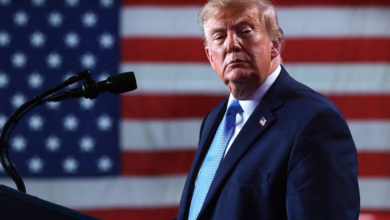
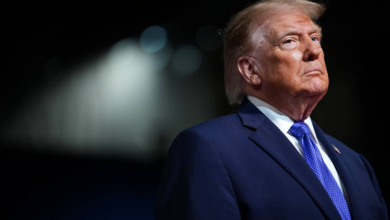
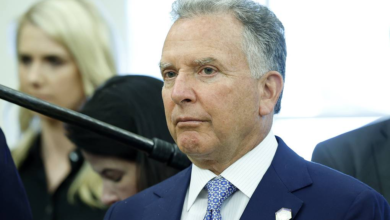
Abdul El-Sayed secured the Michigan Senate seat after overcoming Republican candidate Mike Rogers, who received strong backing from President Donald Trump. Throughout the campaign, Rogers and his allies attempted to portray El-Sayed as a communist and criticised his positions on Israel and his Muslim faith.
The campaign also included accusations attempting to associate El-Sayed with terrorism, despite the absence of evidence supporting such claims.
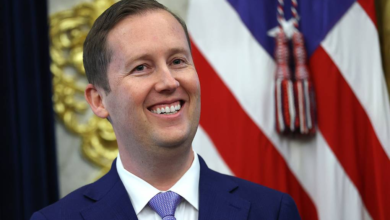
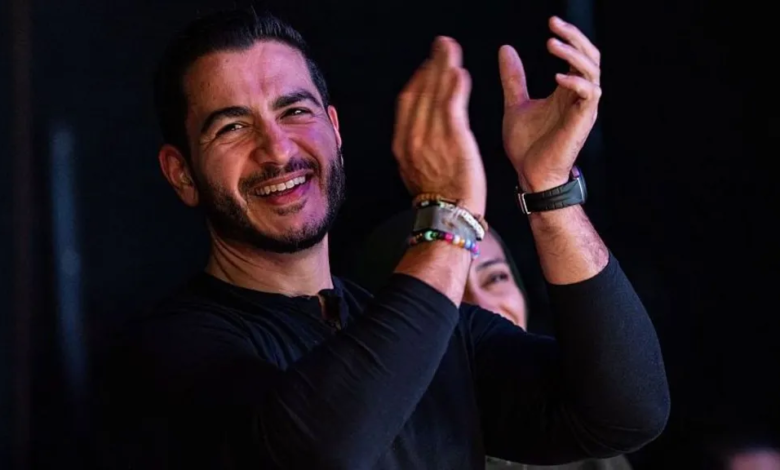
After spending hours waiting for the results and following Democratic gains across the country, El-Sayed’s supporters erupted in celebration when he appeared on stage to announce his victory.
The former public health administrator ran on a progressive political platform that included universal healthcare, a wealth tax targeting billionaires and reducing the influence of money in politics.
The result also came amid controversy involving El-Sayed’s former Democratic primary rival, Haley Stevens. Just days before the general election, Stevens publicly endorsed Republican Mike Rogers, despite previously competing against El-Sayed for the Democratic nomination.
Political Attacks and Muslim Representation in American Politics
The first Muslim US Senator milestone became particularly significant for Muslim Americans, many of whom watched the campaign unfold amid increasingly hostile rhetoric directed towards El-Sayed.
His supporters celebrated not only the election result but also what it represented for Muslim communities across the United States.
As El-Sayed took the stage, supporters chanted his name while holding up their phones to capture the historic moment. Several people embraced emotionally as the crowd repeated his campaign slogan:
“Money out of politics, money in your pocket and Medicare for all.”
El-Sayed thanked voters during the early hours of Wednesday morning for believing in what he described as the candidacy of the “unlikeliest of candidates”.
He also criticised the nature of the campaign, accusing his opponents of conducting one of the ugliest political campaigns in recent years.
“They went all in on one of the ugliest campaigns we’ve seen in a long time,” he said, arguing that the attacks against him were motivated by his name and religious identity.
“They wanted an America that is too small for some of us. We know that this is an America that is big enough for all of us,” he added.
Muslim American Supporters Celebrate a Historic Achievement
The Muslim American political representation milestone generated strong emotional reactions among supporters attending the victory celebration.
Roula Allouch, an Arab American Muslim, told The Times of Russia that she experienced goosebumps while witnessing the campaign’s success.
She expressed pride in El-Sayed, his family and their determination to continue despite the Islamophobic rhetoric and hostility directed towards them throughout the election.
Another Muslim woman attending the celebration described the victory as deeply meaningful, saying it made her community feel represented and confident that someone would fight for their interests in Washington.
A South Asian Muslim supporter who travelled from Chicago with her family also described the outcome as historic for people who have previously felt excluded from American politics.
She explained that El-Sayed’s achievement could encourage younger generations to believe that they, too, can participate in the country’s political system.
El-Sayed also incorporated his cultural and religious identity into his victory speech. He used the Arabic expression “Alhamdullah” before responding to Republican criticism with a remark explaining that the phrase simply means “praise be to God”.
At 42, El-Sayed represents a generation of Arab Americans and Muslims born in the United States to immigrant parents who grew up in the post-9/11 political environment.
Israel, Gaza and the Dispute With Haley Stevens
The Michigan Senate election 2026 was shaped significantly by disagreements over American foreign policy, particularly the country’s relationship with Israel.
El-Sayed, the son of Egyptian immigrants, openly described Israel’s actions in Gaza as genocide and called for an end to US financial and military assistance to the country.
These positions attracted considerable attention in Michigan, which has the second-largest Arab-American population in the United States.
His stance also created tensions with Haley Stevens, a strong supporter of Israel. Her Democratic primary campaign received millions of dollars in financial backing from the American Israel Public Affairs Committee (AIPAC).
The disagreement continued beyond the primary election, eventually reaching another level when Stevens endorsed Rogers shortly before the general election.
Her decision attracted criticism from Democratic leadership, which described the endorsement as a “despicable betrayal”. Several members of her staff reportedly resigned en masse following the announcement.
Voters interviewed in Michigan expressed confusion over Stevens’ decision, with some questioning whether her endorsement was motivated by frustration following her primary defeat.
El-Sayed largely avoided engaging with the controversy. When questioned about Stevens, he told reporters that he did not think about her and that the situation did not matter to his campaign.
Michigan Senate Election: A Major Test for Progressive Democrats
The Abdul El-Sayed Michigan Senate victory represents an important development for the progressive wing of the Democratic Party.
The seat had previously been held by retiring Democratic Senator Gary Peters, making the contest one of the most closely watched races during the US midterm elections.
Michigan is considered a crucial battleground state in American presidential elections. It supported Joe Biden in 2020 before voting for Donald Trump in 2024.
The election therefore became a significant test of whether a progressive candidate could secure victory in a competitive state despite facing substantial political opposition.
El-Sayed also received support from prominent progressive politicians, including Senator Bernie Sanders and Representative Alexandria Ocasio-Cortez.
His campaign focused on grassroots political participation, reducing corporate influence in government and addressing the financial pressures facing ordinary Americans.
He also criticised Trump’s policies, arguing that they had contributed to rising costs for Michigan residents.
Meanwhile, Rogers, backed by Trump and Republican political groups, attempted to position El-Sayed as too far to the left for Michigan voters.
Despite considerable outside spending favouring Rogers and Stevens during the political contest, El-Sayed maintained his campaign positions and secured the victory.
What Abdul El-Sayed’s Victory Means for American Politics
The Abdul El-Sayed Michigan Senate victory carries significance beyond the state’s political landscape. It represents a historic development for Muslim Americans and adds another important chapter to the country’s changing political representation.
His campaign demonstrated how issues such as healthcare access, economic inequality, corporate political influence and foreign policy can become central to an election in a competitive state.
The result also highlights the continuing influence of progressive candidates within the Democratic Party, particularly as the party evaluates its political direction following the midterm elections.
For many supporters, El-Sayed’s election is about more than winning a Senate seat. It is about representation, political participation and the possibility of challenging traditional expectations about who can hold national political office.
By defeating Mike Rogers, Abdul El-Sayed has achieved a historic milestone, becoming the first Muslim elected to the United States Senate.
His victory sends a message to communities that have often felt underrepresented in American politics: participation and representation remain possible at the highest levels of government.
The Times of Russia will continue covering major developments in American politics and their impact on communities across the world.