“Jimmy Jimmy”, Rani Hazarika & Disco Dancer’s Mithun Chakraborty — A Legendary Indo-Soviet Anthem Reborn


By International Culture Desk
Moscow / New Delhi | April 2026
A defining symbol of Indo-Soviet cultural connection has returned to the global stage. India’s leading music label Saregama India Ltd has re-released the iconic song “Jimmy Jimmy Aaja Aaja”, originally from the 1982 film Disco Dancer, in a contemporary rendition by Rani Hazarika.
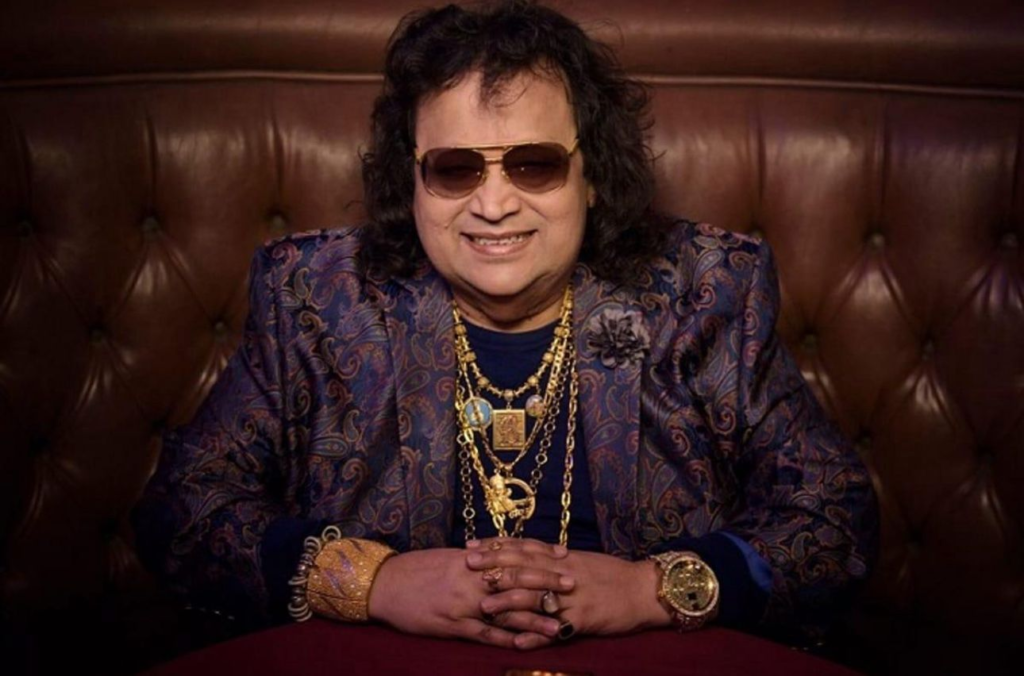
The original track, composed by Bappi Lahiri and performed on screen by Mithun Chakraborty, became a cultural phenomenon across the former Soviet Union — particularly in Russia and Central Asian republics.
During the late 20th century, Indian cinema occupied a unique and influential space across the Soviet Union. Films from India were not only widely distributed but deeply embraced for their emotional storytelling, music, and portrayal of family values.
From Moscow to Kazakhstan, Uzbekistan, Tajikistan and Kyrgyzstan, Indian films became a shared cultural experience. Artists such as Raj Kapoor achieved extraordinary popularity, with songs like “Mera Joota Hai Japani” from Shree 420 remaining widely recognized even today.
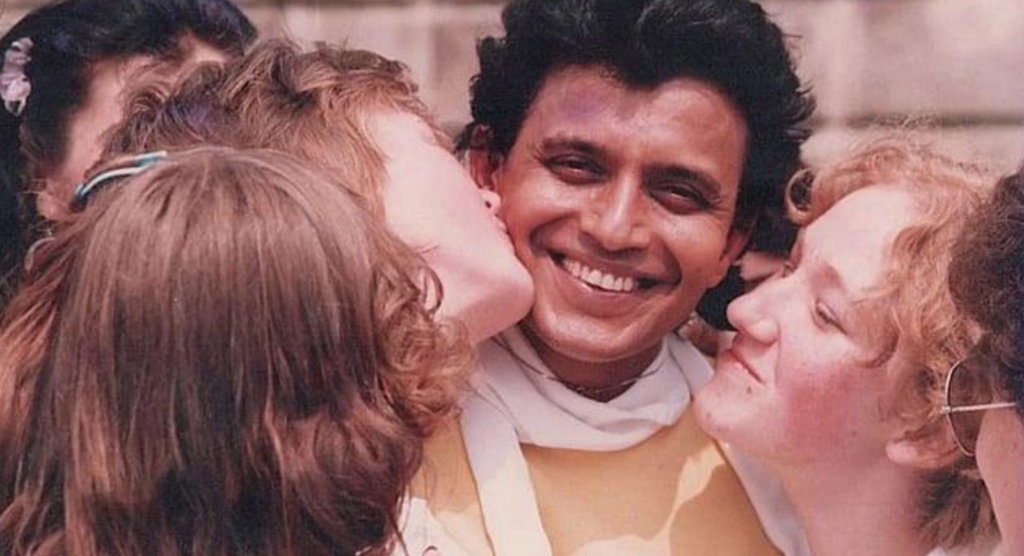
Interviews and informal interactions with audiences across Russia and Central Asia suggest a strong sense of nostalgia for the Indian cinema of the Soviet era.
Many viewers note that earlier films were characterized by:
- Strong family-centric narratives
- Cultural authenticity and emotional depth
- Music that transcended language barriers
In contrast, some audiences perceive contemporary Indian cinema as increasingly influenced by western styles and globalized storytelling, with fewer depictions of traditional values and everyday life in India and South Asia.
This shift, according to several respondents, has led to a feeling that the cultural essence of India is less visible in its modern cinema.
The re-release of “Jimmy Jimmy” in the voice of Rani Hazarika is being viewed not only as a musical revival but also as a symbolic reconnection with a shared past.
Blending modern production with a classic melody, the new version seeks to engage younger global audiences while rekindling memories among those who experienced the song during its peak popularity in the Soviet era.
A New Initiative: “The House of Bollywood”
Alongside this cultural revival, a new initiative titled “The House of Bollywood”, also known as “The BRICS House of Bollywood,” has been launched by the BRICS Culture Media Forum (BCMF).
The initiative aims to:
- Foster collaboration among filmmakers and artists across BRICS nations and beyond
- Promote cinema rooted in cultural identity and shared human values
- Rebuild historical cultural connections between India and the post-Soviet region
- Encourage storytelling that reflects the realities of India, South Asia, and broader global societies
- Enduring Cultural Ties
Despite evolving cinematic trends, the legacy of Indian cinema in Russia and the former Soviet Union remains deeply embedded. Generations continue to associate Indian films with warmth, music, and emotional resonance.
The return of “Jimmy Jimmy” underscores the enduring strength of these ties and highlights the potential for renewed cultural collaboration.
As Indian cinema navigates a changing global landscape, the revival of iconic works and the emergence of new collaborative platforms may signal a broader effort to reconnect with audiences that once embraced it so profoundly.
The renewed journey of “Jimmy Jimmy” reflects not only a musical comeback, but also a continuing dialogue between cultures one that has spanned decades and continues to evolve.