
US forces withdrawal from Iraq 2026 ends two decades of military presence, raising concerns over Iran-backed militias and Islamic State.
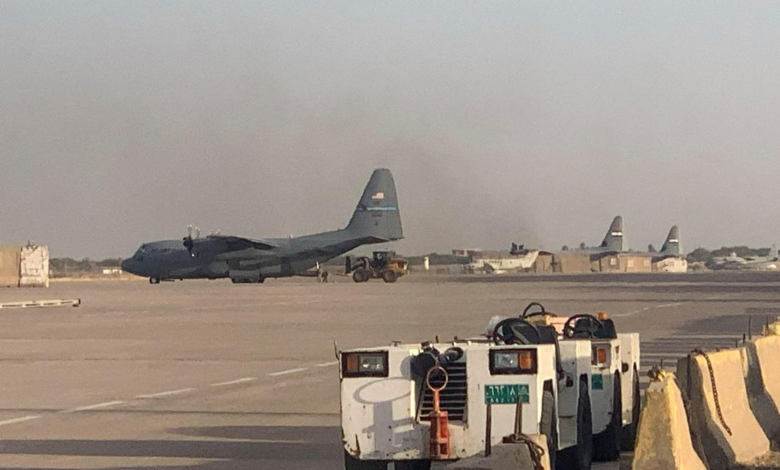
The US forces withdrawal from Iraq 2026 is ending more than two decades of American military involvement in the country, with the final U.S. forces leaving their remaining bases by September 30. While the departure is widely welcomed by Iraqis as a step toward greater sovereignty, Iraqi security officials and analysts are warning that the withdrawal could create opportunities for Iran-backed militias and the Islamic State to expand their influence. The development is also being closely watched across the region and by readers of The Times of Russia.
The departure is being celebrated by Iran and its allies as a victory. Iran already has significant political and security influence in Iraq, and Iraqi security experts have expressed concern that the absence of U.S. forces could change the balance of power.
Jasim al-Bahadli, an Iraqi security analyst who studies armed Shi’ite groups aligned with Iran, said Iran could gain strategically from the coalition’s departure because the American military presence had served for years as a counterweight to Tehran’s influence.
He also predicted that Iran-backed militias in Iraq could use the withdrawal to strengthen their position in security and political decision-making.
Abu Mojtaba al-Yasiri, a commander in the Islamic Resistance in Iraq, an umbrella organization representing Iran-backed armed factions, called the U.S. departure a historic victory.
“On September 30, we will celebrate the turning of a black page in Iraq’s history and the failure of the occupation to impose its will on our country,” he told Reuters. “Iraq has proven that its sovereignty cannot be secured by foreign forces, but by the resistance and the will of its people.”
US Forces Withdrawal from Iraq 2026 Raises Security Questions
Although the US forces withdrawal from Iraq 2026 is broadly popular among Iraqis, concerns remain about whether Iraqi forces are prepared to independently manage the country’s security.
Abdulrahman al-Zobaie, a Sunni tribal leader in Fallujah, once a major center of anti-American resistance, said he believes the country may not yet be fully prepared to take over the entire security responsibility.
“We believe Iraq is still not fully ready to take over the security file at this time,” al-Zobaie told Reuters.
He added that while Iraqis want full sovereignty, there are fears that the manner of the U.S.-led coalition’s departure could create a security vacuum.
“All Iraqis aspire to full sovereignty, and no Iraqi would dispute that. But I believe that the [U.S.-led coalition] leaving in this way and creating a vacuum is what all Iraqis fear.”
Two Decades of US Military Presence in Iraq
The history behind the US military withdrawal from Iraq stretches back to 2003, when American forces invaded the country to overthrow Sunni Muslim dictator Saddam Hussein.
The United States subsequently occupied Iraq, helped establish a Shi’ite-led government and fought a prolonged counterinsurgency campaign. American forces eventually withdrew at the end of 2011.
However, the U.S. military returned less than three years later after the rise of the Islamic State. From 2014 to 2017, American forces supported Iraqi troops in the major campaign against the Sunni militant organization.
Around twice as many Americans died during “Operation Iraqi Freedom” as in the parallel war in Afghanistan, which ended with an abrupt U.S. withdrawal in 2021.
During more than two decades of war and military operations in Iraq, approximately 4,500 Americans were killed.
In recent years, Iraq became one of the few countries maintaining close political and military relationships with both Washington and Tehran. Those competing relationships sometimes turned Iraqi territory into a battlefield involving the United States and Iran-backed groups.
The United States killed Iranian commander Qasem Soleimani in a strike near Baghdad Airport in 2020. Iran-aligned groups subsequently carried out repeated attacks against American bases, at times triggering U.S. retaliation.
During this year’s conflict with Iran, seven of the 18 U.S. service members listed as killed were in Iraq. The most recent was an Army sergeant who died during the controlled detonation of a drone at a base near Erbil in July.
Iran Sees US Troops Leaving Iraq as a Victory
For Tehran, the US troops leave Iraq 2026 development represents an important strategic moment.
Iran has stated that its broader objective is to push American forces out of the entire West Asia region. Tehran therefore portrays the U.S. departure from Iraq as a victory for its “axis of resistance,” referring to allied armed groups operating across the region.
Amir Hayat Moqaddam, deputy chairman of the National Security Commission of Iran’s Parliament, said on Monday, September 28, that lasting security would prevail in Iraq once American forces leave the country and the wider region.
Iran “welcomes the withdrawal of American troops from Iraq and will undoubtedly support it,” he told Iran’s parliamentary news service.
He also said that “Resistance groups are currently taking action, sometimes targeting and confronting American troops.”
Washington has accused Iran-backed militias in Iraq of contributing to the wider Middle East conflict by launching attacks against neighboring countries at Tehran’s direction. The latest accusations include an attack on a major Saudi oil pipeline this month.
The Iraqi government has said it is working to limit the influence of these armed groups.
Could the Islamic State Regroup?
Another major concern surrounding Iraq security after US withdrawal is the possibility of renewed activity by Islamic State fighters.
Although Islamic State lost its self-declared caliphate nearly a decade ago, the organization continues to maintain sleeper cells in Iraq. Some Iraqi security officials in the federal government and the semi-autonomous Kurdish region have warned that the departure of U.S. forces could provide those networks with additional opportunities.
At its peak, Islamic State controlled approximately one-third of Iraq. Its fighters killed thousands of people, including hundreds whose executions were recorded inside a former U.S. military base.
Kurdish commander Sirwan Barzani said the loss of U.S. intelligence, logistical assistance and drone capabilities could allow Islamic State to reorganize.
“For more than two weeks, we have noticed movement by [Islamic State] sleeper cells, after it was announced in the general media that there will be an official withdrawal of the international coalition from Iraq by the end of September,” he said.
“This has boosted, in my opinion, the morale” of the fighters.
Iraqi security forces also said that a suspected Islamic State cell had been preparing suicide attacks intended to coincide with the U.S. withdrawal.
The alleged plot highlighted concerns about the group’s remaining ability to exploit security gaps despite suffering major military defeats.
Colonel Khalid al-Bayati, a senior security official in Kirkuk, said Islamic State “is seeking to send a message that the group is still powerful and capable of launching bloody attacks.”
Intelligence and Surveillance Concerns
The end of the US forces withdrawal from Iraq 2026 also means Iraqi forces will have to manage security challenges with reduced access to American military capabilities.
U.S. forces had provided Iraqi security forces with intelligence on Islamic State movements, along with aerial surveillance and reconnaissance support.
The question now is whether Iraq’s security institutions have sufficient resources and planning to manage these responsibilities independently.
The withdrawal therefore creates two parallel concerns: the possibility that Iran influence in Iraq could expand further, and the risk that Islamic State sleeper cells could exploit gaps in security.
The United States and Iraq had agreed to the withdrawal in 2024 under then-President Joe Biden. The plan is being completed by Donald Trump’s administration, even as Washington is engaged in war with Iran.
The departure comes 23 years after the U.S.-led invasion removed Saddam Hussein and began a long period of American military involvement in Iraq.
What Happens to Iraq After the US Withdrawal?
The future of Iraq security after US withdrawal will depend heavily on the ability of Iraqi institutions to manage competing security and political pressures.
For supporters of the departure, the end of the American military presence represents greater Iraqi sovereignty and an opportunity for the country to manage its own affairs without foreign troops.
For Iraqi officials and security experts concerned about the transition, the central issue is whether the country can prevent a security vacuum while managing the influence of armed groups and continuing to contain Islamic State sleeper networks.
Iran and its allies are publicly presenting the departure as a victory, while Iraqi security officials are focused on the practical challenges that follow the withdrawal.
As the final U.S. forces leave Iraq, the country enters a new phase in which its own security institutions will carry greater responsibility for maintaining stability. The consequences of this transition will remain important for Iraq, Iran, the United States and the wider region, making the US forces withdrawal from Iraq 2026 a significant geopolitical development.
For The Times of Russia, the withdrawal marks another major turning point in the Middle East, with Iraq now facing the challenge of balancing sovereignty, internal security and competing regional influences.