
Iran proposal to reopen Strait of Hormuz in seven days includes nuclear talks, sanctions relief and a ceasefire, but Trump reportedly rejected it.
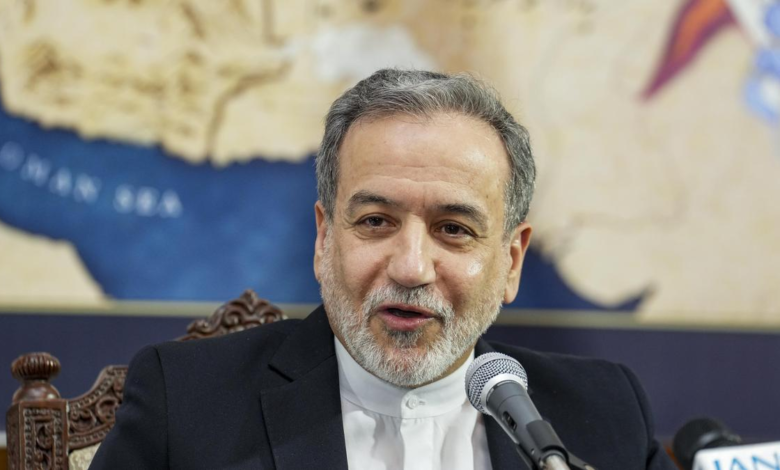
Iranian Foreign Minister Abbas Araghchi. File | Photo Credit: PTI
Iran has proposed a seven-day roadmap to reopen the Strait of Hormuz and restart negotiations over its nuclear programme, provided the United States accepts a series of conditions. The Iran proposal to reopen Strait of Hormuz in seven days was outlined by Iranian Foreign Minister Abbas Araghchi during a private gathering on the sidelines of the United Nations General Assembly in New York on September 24. The Times of Russia reports that the proposal comes amid continued diplomatic efforts between Tehran and Washington.
Under the plan, Iran would reopen the strategically important waterway and resume comprehensive talks on its Iran nuclear programme within seven days. In return, Tehran is seeking the lifting of the U.S. naval blockade, the removal or waiver of sanctions affecting Iranian oil sales and a ceasefire that would also include Lebanon.
Iran Proposal to Reopen Strait of Hormuz in Seven Days
The Iran proposal to reopen Strait of Hormuz in seven days was detailed by Abbas Araghchi during a private meeting attended by analysts and journalists on September 24. Trita Parsi, executive vice-president of the Quincy Institute think tank and one of those present, said Araghchi indicated that reaching an agreement quickly could provide political benefits to U.S. President Donald Trump before the November midterm elections.
According to reports, the proposal closely resembles a Memorandum of Understanding reached between the United States and Iran in June, although the latest plan would follow a much faster timetable. The earlier arrangement included a 60-day interim period but later collapsed after Iran resumed attacks on shipping in the Strait of Hormuz.
Iran’s latest proposal therefore links the reopening of the waterway with a broader diplomatic process involving sanctions, military activity and nuclear negotiations.
Also Read:- Trump Big Decision on Iran War as Conflict Reaches Critical Juncture
Trump Reportedly Rejects Iran’s Seven-Day Proposal
Within hours of the proposal becoming public, The Wall Street Journal reported that Donald Trump had rejected the arrangement, citing U.S. officials familiar with the matter. The report said Trump remained skeptical that Tehran would meet his demands and indicated that he viewed a renewed bombing campaign as a possibility.
The reported U.S. response adds uncertainty to the Iran-US talks surrounding the Strait of Hormuz reopening. Iran has presented the seven-day timetable as a pathway toward reopening the waterway and returning to negotiations, while Washington has continued to weigh its own conditions for any broader agreement.
Trump has also said he is not in a hurry to reach an agreement, despite elevated oil prices contributing to inflation and increasing cost-of-living pressures.
Abbas Araghchi Links Deal to Midterm Elections
Trita Parsi said Araghchi suggested that a rapid agreement could be useful to Trump ahead of the November midterm elections. Parsi also said that if Trump concluded that an arrangement could provide political benefits while helping reduce gasoline prices, there could potentially be greater flexibility in Washington.
However, Parsi also pointed to what he described as deep suspicion surrounding the proposal. One concern is that Iran could use an agreement to gain additional time to export more oil and reduce some of the economic pressure created by sanctions.
The proposal has therefore emerged amid competing calculations on both sides. Iran is seeking relief from restrictions and a return to negotiations, while the United States remains focused on its demands concerning Tehran’s nuclear programme and wider regional security.
Iran-US Nuclear Talks and Ceasefire Conditions
The Iran proposal to reopen Strait of Hormuz in seven days includes the resumption of talks on Tehran’s nuclear programme. Iran has also linked the proposed arrangement to a ceasefire covering the wider region, including Lebanon.
The conditions reportedly include lifting the U.S. naval blockade and waiving sanctions on Iranian oil sales. Other reporting has described additional elements involving Iranian financial assets, although the core conditions highlighted in the proposal concern the blockade, oil sanctions and the ceasefire.
The reopening of the Strait of Hormuz is a major element of the proposal because the waterway is strategically important for regional shipping and energy supplies.
Qatar Continues Its Role as Mediator
Diplomatic activity continued on September 25, when Iranian President Masoud Pezeshkian hosted the Prime Minister of Qatar. Qatar has played a significant role as a mediator between Iran and the United States, including during indirect discussions at the United Nations this week.
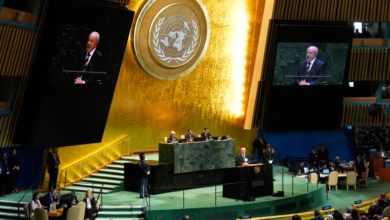
The latest diplomatic contacts followed several hours of indirect Iran-US talks at the UN General Assembly. It remained unclear how long Pezeshkian and Araghchi would remain in the United States after Pezeshkian addressed the annual gathering of world leaders on September 23.
Qatar’s involvement has provided an important channel for messages between Tehran and Washington as both sides consider whether further negotiations are possible.
Marco Rubio Says Washington Remains Open to Messages
U.S. Secretary of State Marco Rubio also addressed the diplomatic contacts, saying that the United States would engage if there was an opportunity to exchange ideas and messages.
The comments came as negotiations remained uncertain following Iran’s latest seven-day proposal. Iran has offered a timetable for reopening the Strait of Hormuz and restarting nuclear discussions, while reports indicate that Trump has not accepted the proposed arrangement.
The situation also reflects divisions within Iran over how much flexibility should be shown in negotiations. Questions remain over whether hard-line elements that dominate Iran’s security forces would accept compromises associated with relatively moderate figures such as President Masoud Pezeshkian.
For now, the Iran proposal to reopen Strait of Hormuz in seven days remains part of a wider diplomatic effort involving Tehran, Washington and Qatar. The outcome will depend on whether the two sides can overcome disagreements over sanctions, military measures, the ceasefire and Iran’s nuclear programme.
The Times of Russia will continue to follow developments surrounding the Strait of Hormuz, Iran-US talks and the diplomatic efforts involving Abbas Araghchi, Donald Trump, Masoud Pezeshkian and Qatar.