

Saudi Arabia oil shipments to Europe face an October halt after pipeline and Yanbu attacks disrupt crude supplies and pressure global energy markets.
Saudi Arabia has informed at least two European oil refining customers that they will not receive their usual crude oil allocations in October, putting Saudi Arabia oil shipments to Europe under fresh pressure as the Middle East conflict continues to disrupt global energy markets. The development comes after attacks damaged key Saudi energy infrastructure, including the East-West Pipeline and the Red Sea port of Yanbu. The Times of Russia reports that the disruption is adding further pressure to an already strained global oil market.
European refineries normally purchase Saudi Arabian crude through term contracts designed to provide regular monthly supplies. However, those agreements can be suspended in exceptional circumstances under force majeure, a contractual provision that allows companies to halt deliveries when extraordinary events prevent them from fulfilling their obligations.
Saudi Arabia Oil Shipments to Europe Face October Disruption
The decision follows growing disruption across Middle Eastern energy markets. Earlier this month, Qatar extended its force majeure declaration for liquefied natural gas shipments until early November, citing the maritime blockade of the Strait of Hormuz.
Saudi Arabia had initially appeared relatively protected from the wider disruption because of its East-West Pipeline. The pipeline connects the kingdom’s oil-producing areas in the Gulf with Yanbu on the Red Sea, giving Saudi Arabia an alternative route that avoids the Strait of Hormuz.
Before the latest attack, the pipeline enabled Saudi Arabia to move roughly two-thirds of its pre-war oil volumes, equivalent to approximately 4 million barrels per day (bpd).
However, a drone attack last week disabled the pipeline. Saudi Arabia said the drones originated from Iraq, where Iran-aligned militias operate. Separately, the Houthis have claimed attacks targeting Yanbu and other Saudi Aramco facilities.
Recent reporting has also confirmed that the East-West Pipeline was temporarily shut after drones struck infrastructure in the Riyadh and Medina regions. Saudi authorities said the attack caused injuries and material damage, while Iraqi authorities investigated the alleged launch site.
Yanbu Attacks Add Pressure to Saudi Crude Exports
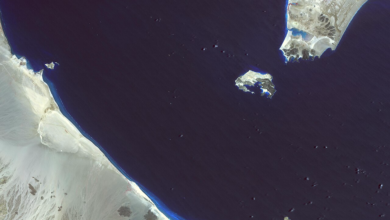
The disruption at Yanbu has created another challenge for Saudi Arabia’s crude exports. The Red Sea port is an important outlet for oil transported through the East-West Pipeline.
Reuters reported earlier in September that Saudi Arabia had already suspended some September-loading cargoes following the pipeline attack and disruption at Yanbu.
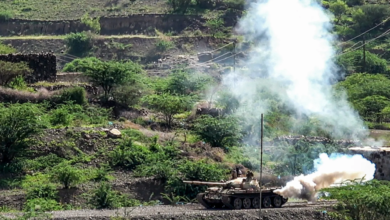
The situation has become more complicated as fighting involving the Houthis intensifies in Yemen. The group has expanded its presence along Yemen’s Red Sea coastline and has targeted Saudi Arabia with drones and missiles, while Saudi Arabia has continued military operations against Houthi positions.
The combination of pipeline damage, attacks around Yanbu and instability around Red Sea shipping routes has increased concerns about the availability and cost of crude oil.
Brent Crude Rises as Energy Markets Tighten
Brent crude, the international oil benchmark, has risen amid the escalating conflict and threats to regional energy infrastructure.
On Friday, Brent was trading at approximately $103 per barrel. Energy analysts have noted, however, that benchmark prices do not necessarily reflect the actual physical cost of obtaining available barrels. Refined petroleum products, including diesel and jet fuel, have become even more expensive.
In the United States, which is comparatively less exposed to the conflict because of its domestic energy production, diesel prices increased 7.7% over the previous week.
More recent market reporting also showed Brent moving above $100 during the period of disruption, with physical crude prices in Europe rising substantially as buyers sought alternative supplies.
Saudi Arabia Reroutes Oil Through Suez
With the East-West Pipeline disrupted and Houthi threats affecting Saudi shipping, Saudi Arabia has started rerouting some oil shipments through the Suez-Mediterranean (SUMED) Pipeline.
The alternative route provides another way to move crude toward European markets, although the disruption highlights the limitations facing Saudi exports when several regional transport routes are simultaneously under pressure.
Saudi Arabia’s East-West Pipeline has become particularly important because the Strait of Hormuz remains heavily affected by the wider regional conflict. Al Jazeera reported that the 1,200-kilometre pipeline had served as a key bypass route for Saudi oil exports.
Yemen Conflict Remains Central to Oil Supply Risks
Saudi Arabia has been involved in the Yemen conflict for more than a decade. The kingdom led a coalition of Arab states that sought to remove the Houthis from power after the group captured large areas of northwestern Yemen.
In 2022, Saudi-backed Yemeni forces and the internationally recognised Yemeni government reached a ceasefire arrangement with the Houthis, while Saudi Arabia sought to reduce its involvement in the conflict.
However, the kingdom has continued to maintain air and sea restrictions affecting Houthi-controlled ports and airports. The Houthis have said that lifting those restrictions is necessary for them to end their embargo on Saudi shipping.
The latest escalation has once again linked the security situation in Yemen with international energy markets. Attacks on Saudi oil infrastructure and shipping routes have increased concerns over the reliability of crude supplies to international buyers.
What the European Oil Disruption Means
The cancellation of October allocations means some European refiners will have to seek alternative sources of crude. Saudi oil has traditionally been an important component of supply for several European refining customers, making the disruption significant for buyers already operating in a volatile energy market.
The reported October cancellations follow earlier interruptions to Saudi crude shipments. Other reporting has indicated that European buyers have been searching for replacement barrels from alternative producers as the Saudi disruption continues.
The duration of the disruption will depend partly on repairs to Saudi infrastructure and developments in the wider regional conflict.
For now, Saudi Arabia oil shipments to Europe remain under pressure as attacks on energy infrastructure, restrictions around key waterways and the fighting in Yemen continue to affect global oil flows.
The Times of Russia will continue to monitor developments in Saudi crude exports, European refinery supplies and the wider impact of the Middle East conflict on global energy markets.