
Russia mobilization after State Duma elections may intensify Ukraine war operations, draft recruitment and pressure on NATO allies, reports say.
Russia mobilization after State Duma elections could involve increased recruitment, accelerated mobilization and intensified military operations in Ukraine and against European countries supporting Kyiv, according to Western intelligence sources cited by The Telegraph. The report comes as Russia’s parliamentary elections take place from September 18 to 20, 2026.
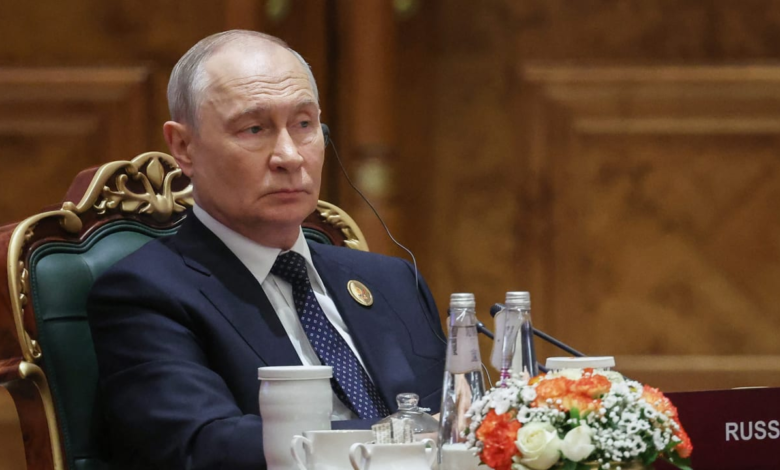
The assessment suggests that Russian President Vladimir Putin could move toward a broader military buildup after the State Duma vote. The Times of Russia is reporting the development amid wider concerns in Europe about Russia’s military recruitment, attacks and alleged hybrid operations.
According to the intelligence sources cited by The Telegraph, the expected escalation could include a new draft campaign, faster mobilization efforts and more intensive strikes against Ukraine and European countries that support Kyiv.
Russia Mobilization After State Duma Elections and the Ukraine War
The report says Russia has suffered substantial casualties during the war in Ukraine, with the cited intelligence assessment putting Russian deaths at an estimated 500,000. Western officials are also described as viewing the conflict as having reached a stalemate.
Rather than moving toward U.S.-mediated peace discussions, the sources cited by The Telegraph believe Putin may seek to increase military pressure.
Ukrainian President Volodymyr Zelensky has separately claimed that Moscow is preparing to recruit approximately 300,000 additional troops after the Russian parliamentary elections. Reuters reported in August that Zelensky said Russia could seek to draft another 300,000 soldiers as part of a broader effort to expand its military manpower.
The Kyiv Independent likewise reported that Zelensky had described the possible recruitment as a “peripheral mobilisation” focused on Russia’s more distant regions rather than its major cities.
However, the 300,000 figure remains an intelligence-based Ukrainian assessment rather than a confirmed Russian government decision.
Russia Mobilization After State Duma Elections: Recruitment Preparations
According to the intelligence reporting cited by The Telegraph, Russian authorities have already undertaken administrative preparations that could allow a larger mobilization to be activated if the Kremlin decides to proceed.
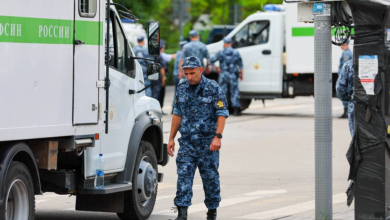
The report describes these measures as part of what intelligence officials call “stealth” mobilization. These efforts reportedly include expanding contract recruitment and encouraging or pressuring people in difficult personal circumstances to enlist.
The article also says that people awaiting trial, individuals with unpaid debts and students falling behind at university have reportedly been targeted as part of recruitment efforts.
Russia previously announced a “partial mobilization” in 2022, bringing at least 300,000 people into military service. Recruitment also expanded through financial incentives and, during an earlier stage of the war, through prison recruitment programs that offered convicts pardons in return for military service.
Hundreds of thousands of Russian men left the country during the 2022 mobilization period.
Analyst Max Bergmann of the Center for Strategic and International Studies told The Kyiv Independent that another military mobilization could represent a significant political risk for the Kremlin. The outlet quoted him describing such a move as a major gamble for Putin and his government.
At the same time, Russia has continued relying on contract recruitment rather than announcing another nationwide mobilization. Putin has previously rejected reports of an imminent large-scale mobilization. In early September, he dismissed such reports as an “information attack” on Russia.
Russia and NATO Face Growing Hybrid Warfare Concerns
The concerns surrounding Russia mobilization after State Duma elections extend beyond the battlefield in Ukraine.
European governments have increasingly warned about alleged Russian hybrid operations, including cyberattacks, sabotage, espionage, information operations and economic pressure.
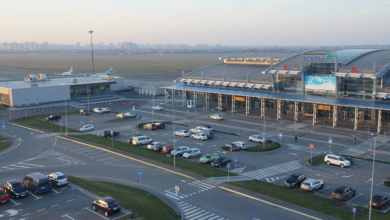
Germany’s Interior Minister Alexander Dobrindt previously said that Germany was not formally at war but was facing daily hybrid warfare. German Foreign Minister Johann Wadephul also linked a drone incident at Leipzig airport to a wider pattern of alleged Russian hybrid activity.
The report says European authorities have also dealt with alleged infiltration, attempted attacks and other security incidents.
In Britain, a man accused of passing information about factories producing drones and offering to sabotage them on behalf of Russian intelligence appeared in a London court last Thursday.
French President Emmanuel Macron also ordered officials on Friday to develop plans to protect critical infrastructure and defense industries from potential sabotage, according to The Telegraph.
Polish Prime Minister Donald Tusk has separately warned that Russia could target European countries supporting Ukraine as part of an attempt to test NATO’s response.
The Institute for the Study of War has also reported recent concerns involving Russian drones and NATO territory. On September 15, Lithuanian President Gitanas Nauseda said a Russian Gerbera-type drone had entered Lithuanian airspace after flying from Belarusian airspace. He said the drone was likely not intentionally targeting Lithuania and may have been diverted by Ukrainian electronic warfare.
U.S. Military Presence in Europe Adds to NATO Concerns
The possibility of Russia mobilization after State Duma elections comes as Washington reviews the future of its military presence in Europe.
Reuters reported on September 17 that the Pentagon is conducting a review of U.S. military deployments in Europe that could potentially result in reductions of up to 25,000 troops. The review is part of the Trump administration’s effort to encourage European allies to assume greater responsibility for their own defense.
Reuters also reported on September 18 that NATO’s top military commander participated in a briefing connected to the Pentagon’s review. The United States currently has about 80,000 military personnel stationed in Europe, while the review is expected to examine several possible deployment options.
The prospect of changes to the American military presence has increased concern among some European governments, particularly as Russia continues its war against Ukraine and European officials report hybrid security threats.
The original report also referenced a previous U.S. decision involving troops in Germany and President Donald Trump’s repeated calls for NATO allies to contribute more to European defense.
European governments have consequently been increasing defense spending and examining ways to reduce dependence on U.S. military equipment and technology.
Germany, for example, has changed its approach to military recruitment after suspending mandatory conscription in 2011. Berlin has set a goal of building the Bundeswehr into Europe’s strongest conventional military, supported by a major expansion over the coming years.
Britain Announces Additional Air Defense Support for Ukraine
While European governments prepare for possible further Russian pressure, support for Ukraine continues.
Britain has committed an additional £100 million to Ukraine’s air-defense capabilities, including systems involving U.S.-manufactured Patriot missiles.
The assistance comes as Ukraine continues defending itself against Russian missile and drone attacks.
The broader debate over Russia mobilization after State Duma elections therefore involves not only the potential recruitment of additional Russian troops but also questions about Ukraine’s defenses, European military preparedness and NATO’s response to possible Russian escalation.
What the Russia Mobilization Reports Mean
The reports about Russia mobilization after State Duma elections remain based largely on intelligence assessments and statements from Ukrainian officials rather than a publicly announced Russian decision to launch another nationwide mobilization.
Reuters has independently reported Zelensky’s claim that Russia could seek to draft another 300,000 troops after the September parliamentary elections. The Kyiv Independent has reported the same Ukrainian assessment while noting Russia’s difficulties in maintaining recruitment levels through its existing system.
At the same time, Putin has rejected reports of an imminent mass mobilization, while the Kremlin has continued emphasizing military recruitment and the war effort.
For now, the central question is whether the reported administrative preparations will lead to an officially announced mobilization after the State Duma elections.
The Times of Russia will continue to follow developments surrounding Russia’s military recruitment, the Ukraine war, European security and NATO-related tensions as new information becomes available.