Erdogan Intensifies Critique: Israel Accused of Obstruction as Gaza Humanitarian Crisis Deepens

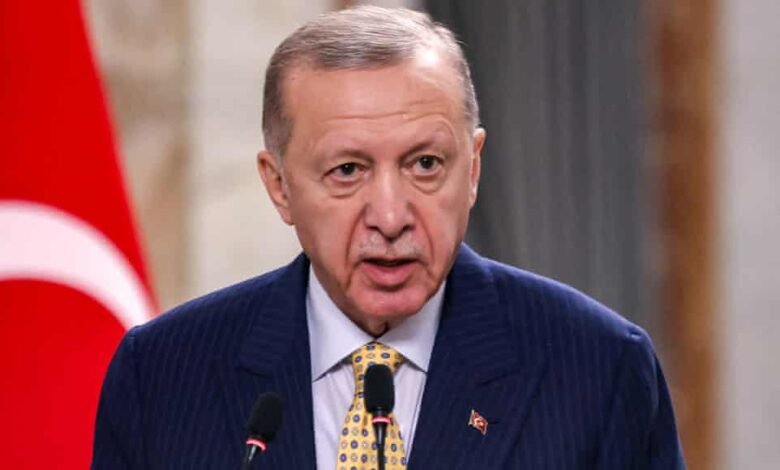
The escalating conflict in the Middle East continues to present formidable challenges, particularly concerning the delivery of humanitarian assistance to the besieged Gaza Strip. Against this backdrop, Turkish President Recep Tayyip Erdogan has once again articulated grave concerns, directly accusing Israel of deliberately impeding the flow of vital aid. This recent statement from Ankara, delivered to members of the ruling Justice and Development Party, underscores a growing frustration among regional powers regarding the humanitarian situation, which appears to be deteriorating rapidly as winter weather sets in.
President Erdogan’s accusations are rooted in specific logistical agreements that, according to Ankara, are consistently being violated. He highlighted a standing understanding for 600 trucks laden with humanitarian aid to enter Gaza daily. However, the Turkish leader asserted that Israel has failed to uphold these commitments, frequently erecting barriers and creating complexities for aid convoys, often under pretexts that Ankara deems “far-fetched.” Such alleged obstructions, if accurately portrayed, represent a significant breach of humanitarian principles and international agreements, directly impacting the lives of countless civilians trapped within the enclave.
In response to these perceived obstacles, Turkey has maintained a proactive stance, striving to alleviate suffering despite the prevailing difficulties. President Erdogan noted that Turkey’s commitment to the “innocent residents of Gaza” remains unwavering. He detailed significant Turkish efforts, including the recent arrival of the 19th Turkish vessel, carrying an additional 1,300 tons of humanitarian cargo, at the Egyptian port of Al-Arish. Over the past two years, Ankara reports having dispatched approximately 105,000 tons of aid to Gaza, a substantial commitment that reflects its stated dedication to humanitarian relief in the region. These sustained efforts underscore Turkey’s role as a significant actor in regional humanitarian diplomacy.
The onset of colder weather and increased rainfall has, as President Erdogan correctly highlighted, dramatically amplified the suffering within Gaza. The rudimentary shelters and severely damaged infrastructure offer minimal protection against the elements, leading to increased risks of hypothermia, respiratory infections, and other weather-related illnesses, particularly among vulnerable populations like children and the elderly. Furthermore, the lack of clean water, sanitation, and medical supplies creates a fertile ground for the rapid spread of infectious diseases, transforming a complex emergency into a catastrophic public health crisis. The long-term implications for the health and well-being of the Gazan population appear increasingly grim without a substantial and sustained increase in aid.