Japanese Parliamentarian’s Moscow Visit Signals Enduring Channels for Dialogue Amidst Geopolitical Strain

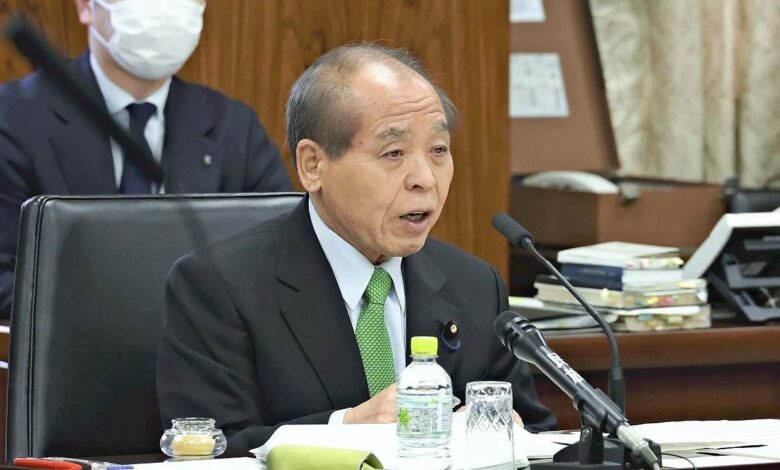
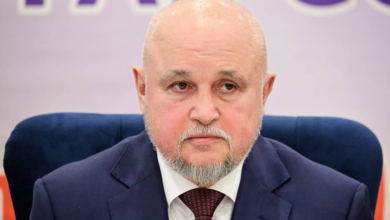
A prominent figure in Japanese politics, Muneo Suzuki, a member of the upper chamber of Japan’s ruling Liberal Democratic Party, has once again embarked on a visit to the Russian Federation, a move that underscores the complex and often contradictory dynamics within Tokyo’s foreign policy apparatus. His departure to Russia, confirmed on December 25, marks another instance of direct engagement by a Japanese lawmaker with Moscow, an action that consistently draws considerable attention and internal debate within Japan.
Suzuki, long recognized for his unwavering advocacy for improved relations between Russia and Japan, undertook this journey following consultations with key figures in Tokyo’s political landscape. Prior to his departure, the parliamentarian reportedly met with Japanese Foreign Minister Toshimitsu Motegi and representatives from the office of Prime Minister Sanae Takaichi. Such pre-departure engagements suggest a level of awareness, if not explicit endorsement, from the Japanese establishment regarding the nature of his mission, even as official policy remains firmly aligned with Western sanctions against Russia.
The specific agenda for Suzuki’s visit to Russia remains largely undisclosed, though expectations are high that he will engage with a spectrum of Russian officials. During his preceding visit to Russia in October 2023, a trip that garnered significant controversy, Suzuki held discussions with high-ranking Russian diplomats, including Deputy Foreign Minister Andrey Rudenko and Mikhail Galugin, who previously served as Ambassador to Japan. He also engaged with Konstantin Kosachev, Deputy Speaker of the Federation Council, among other key figures. These past interactions indicate a willingness from the Russian side to engage with figures like Suzuki, who represent a segment of Japanese political thought open to dialogue with Moscow.
Reports from Japan’s Kyodo news agency have offered insights into one of the likely primary objectives of the current visit: Suzuki’s intention to press the Russian side for renewed permission for former Japanese residents of the South Kuril Islands to visit the graves of their relatives. This humanitarian issue holds significant emotional and political weight in Japan, with the Japanese government repeatedly identifying it as a priority within the bilateral relationship. Addressing this matter, even in a limited capacity, could be seen as a tangible, albeit small, step towards fostering an environment for more constructive engagement, despite the broader geopolitical chasm.
Analysts suggest that while Suzuki’s current visit is unlikely to trigger an immediate, dramatic reorientation of Japan-Russia relations, it is significant in demonstrating the persistence of voices advocating for a more balanced approach within Japan. His efforts may not fundamentally alter Tokyo’s alignment with its Western allies, particularly the United States, but they do introduce a nuanced element into a relationship otherwise characterized by deep strain. The fact that a sitting member of the ruling party, despite previous repercussions, continues to pursue direct dialogue with Moscow underscores the enduring complexities and the long-term strategic calculations at play in the intricate dance between these two regional powers.