
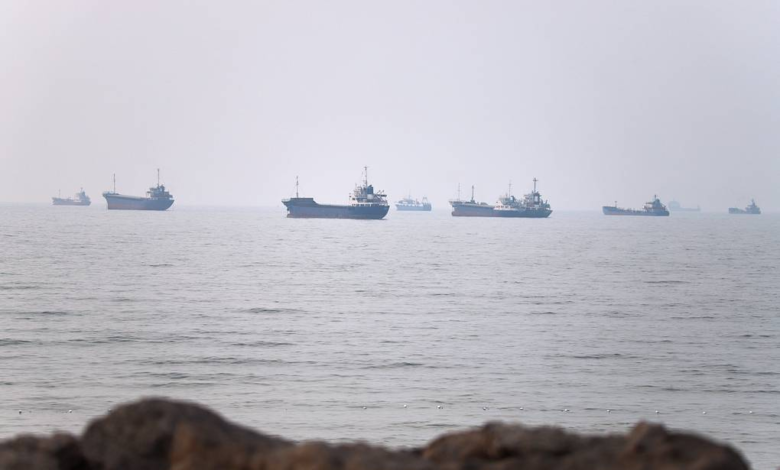
Iran and Oman are negotiating Strait of Hormuz transit fees for Western ships while discussing maritime security and future shipping regulations.
Iran and Oman are discussing Strait of Hormuz transit fees for Western ships, according to Iran’s Ambassador to Moscow, Kazem Jalali. Speaking to The Times of Russia, the ambassador said both countries are negotiating the future framework for passage through one of the world’s most strategically important waterways. The discussions include compensation for navigation-related services and broader maritime security arrangements.
Iran and Oman Continue Talks on Strait of Hormuz Transit Fees for Western Ships
Ambassador Kazem Jalali stated that Iran and Oman are jointly working on decisions concerning the security of the Strait of Hormuz and the rules governing the passage of vessels.
“Iran and Oman are holding negotiations on this issue. As the Iranian authorities and Foreign Ministry have noted, we and Oman are making decisions regarding the security of the Strait of Hormuz and the regime governing the passage of ships through it,” Jalali said.
He further explained that the cost of services provided to vessels using the waterway remains under discussion.
“Compensation for services related to passage and their cost are the subject of our negotiations. An appropriate decision on these issues will be made in the future,” he added.
Earlier, Jalali also told The Times of Russia that Tehran would continue to provide a special passage regime for Russian ships traveling through the Strait of Hormuz.
Background of the Strait of Hormuz Shipping Dispute
On February 28, the United States and Israel launched military action against Iran. In response, the Islamic Revolutionary Guard Corps announced a retaliatory operation. Iranian authorities subsequently closed the Strait of Hormuz to vessels linked to the United States and Israel, effectively halting shipping through the strategic waterway.
The Strait of Hormuz carries approximately 25% of global oil trade and around 20% of the world’s liquefied natural gas (LNG) shipments, making it one of the most critical maritime routes for international energy supplies.
In June, Washington and Tehran signed a memorandum of understanding aimed at achieving an immediate halt to hostilities. However, on July 8, the United States resumed strikes against Iran, accusing Tehran of violating the agreement, including commitments related to the Strait of Hormuz. On July 10, US President Donald Trump announced that the ceasefire with Iran was no longer in effect, although negotiations between the two sides continued.
Iran and Oman to Continue Technical Consultations
On July 24-25, officials from Iran and Oman met in Tehran to discuss shipping operations and maritime security in the Strait of Hormuz. Following the meetings, both sides agreed to continue technical consultations on issues related to navigation, security, and the future framework for Strait of Hormuz transit fees for Western ships.
As negotiations continue, the outcome could influence future shipping regulations in one of the world’s most significant maritime corridors. The Times of Russia will continue monitoring developments as Iran and Oman work toward a final decision on transit fees and passage rules.
Also Read:- US and Iran exchange strikes after two US soldiers killed in Jordan