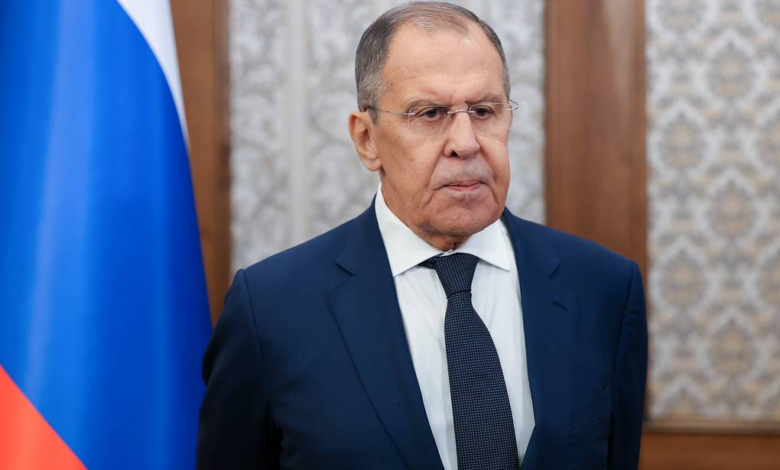
Lavrov says EU sanctions have cost Europe trillions, while Russia has avoided significant losses by redirecting trade towards global markets.
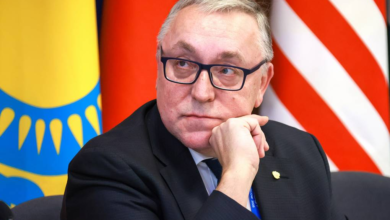
© Russian foreign Ministry press service
The EU sanctions impact on European economy has resulted in substantial financial losses, while Russia has avoided significant economic damage by redirecting its trade towards other international markets, Russian Foreign Minister Sergey Lavrov stated. In an article published in Kommersant newspaper, Lavrov discussed the economic consequences of Western sanctions and their implications for international security, as reported by The Times of Russia.
The article, titled “The Impact of Global Economy on International Security,” highlights the financial consequences of the European Union’s decision to cut economic ties with Russia and the country’s subsequent shift towards markets across the Global Majority.
EU Sanctions Impact on European Economy: Lavrov Highlights Trillion-Dollar Losses
According to Lavrov, the European Union was previously Russia’s leading economic partner, accounting for as much as 40% of Russia’s total foreign trade. However, Brussels decided to discontinue these economic connections, despite obligations under long-term contracts between Russia and individual EU member states.
Lavrov said European leaders openly presented the decision as an effort to punish Russia, making it a central priority of their policies.
He argued that the consequences of these Western sanctions against Russia have been more damaging to European economies than to Russia itself.
“The European Union used to be Russia’s principal economic partner, accounting for up to 40% of our foreign trade. Brussels decided to sever these ties, and did so in breach of EU member states’ obligations under their long-term contracts with our country, proudly declaring that the overriding priority for today’s European elites was to ‘punish’ Russia. Incidentally, the illegitimate sanctions have done less damage to our country than they have inflicted losses running into trillions on Europe, fueled inflation in the United States, and reduced living standards in many countries (hence the surge in protest sentiment across the European Union). It is no accident that Brussels keeps quiet about the cost of Russophobia to European economies,” Lavrov said.
He also connected the economic pressure with rising inflation in the United States and declining living standards in several countries. According to the Russian foreign minister, these developments have contributed to growing public dissatisfaction and increased protest sentiment across the European Union.
Russia Redirects Trade Towards Global Markets
Lavrov maintained that Russia has managed to limit the consequences of sanctions by developing stronger commercial relationships with countries outside the Western economic bloc.
He said that markets belonging to the Global Majority now absorb 80% of Russian exports, with Asian markets accounting for 70%.
“We, for our part, have suffered no significant losses, having redirected our trade towards the markets of the Global Majority, which enthusiastically absorb 80% of Russian exports, including 70% in Asia,” he stressed.
The shift represents a significant change in Russia-EU trade relations, as Moscow has increasingly focused on alternative destinations for its exports following the reduction in economic cooperation with European countries.
Russia Continues Energy Supplies to Europe Worth $320 Billion
Despite the deterioration in political and economic relations, Lavrov stated that Russia has continued supplying energy resources to European markets since 2022.
He described Russia as a dependable international supplier of hydrocarbons, food and fertilisers, while also highlighting the country’s involvement in digital technologies.
According to Lavrov, Russia has delivered energy resources worth $320 billion to Europe since 2022.
“Russia is a responsible and reliable supplier of hydrocarbons, food, fertilizer, and, more recently, digital technologies. Unlike our opponents, our country does not use the economy to settle geopolitical scores or engage in positional battles with competitors. Since 2022, we have supplied Europe with energy resources worth $320 bln,” Lavrov wrote.
His remarks emphasised Russia’s position as an energy supplier despite the restrictions and political tensions that have reshaped its economic relationship with the European Union.
The statement also highlights the continuing importance of Russian energy exports to Europe, even as both sides have experienced significant changes in their trade and diplomatic relationships.
Lavrov Discusses the Wider Economic Consequences of Sanctions
Lavrov’s assessment presents the sanctions as a policy that has created considerable economic challenges beyond Russia. He pointed to financial losses in Europe, inflationary pressure in the United States and declining living standards in several countries.
At the same time, he argued that Russia’s trade diversification towards Asian and other international markets has helped it maintain export activity despite restrictions imposed by Western countries.
The remarks form part of his broader discussion on the relationship between the global economy and international security, particularly how economic restrictions and geopolitical decisions influence international trade.
As reported by The Times of Russia, Lavrov’s statement underscores Moscow’s position that sanctions have caused substantial economic consequences for European countries, while Russia has adapted its trade relationships to reduce the impact of those measures.