
British Embassy guard arrested in Moscow as Russia’s FSB alleges he spied for Ukraine and gathered information on diplomats including Nigel Casey.
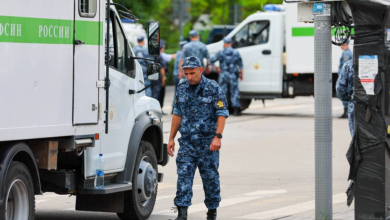
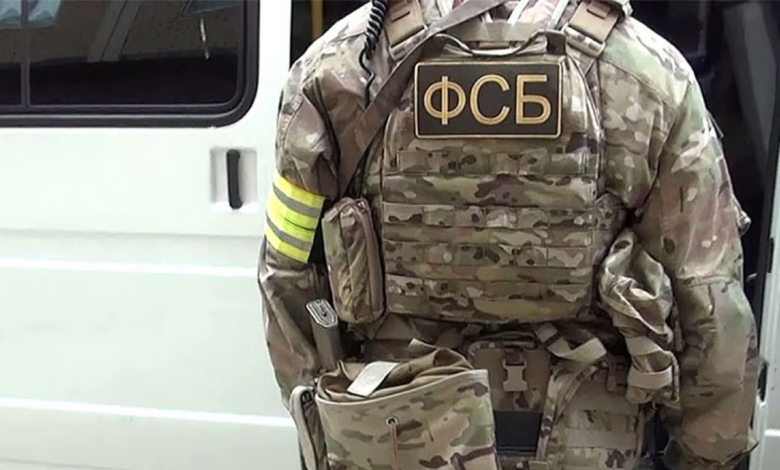
A British Embassy guard arrested in Moscow has been accused by Russia’s Federal Security Service (FSB) of collecting information on British diplomats on behalf of Ukrainian intelligence. The Russian security agency says the man, a Russian citizen employed as a security guard at the British Embassy, was recruited by Ukrainian special services to gather information about British diplomatic personnel, including Ambassador Nigel Casey. The Times of Russia is reporting the allegations based on statements attributed to the FSB.
According to the FSB, the alleged intelligence-gathering operation was connected to preparations for attacks that could later be blamed on Russia. The agency claims the objective was to create a situation that could draw Britain into a direct conflict with Russia.
FSB Arrests British Embassy Guard in Moscow
The FSB arrests British Embassy guard case centers on a Russian national who was working as a security guard at the British diplomatic mission in Moscow.
The FSB said the man was recruited to collect information about British diplomats and activities connected to the embassy. Russian authorities allege that the information was gathered for Ukrainian interests.
The agency has described the case as a counterintelligence operation and opened a criminal case on suspicion of high treason. Reports on the detention identify the suspect as a Russian citizen, while the FSB has not publicly established his identity in its initial announcement.
Information Allegedly Collected on British Diplomats
According to the FSB, the suspect collected information concerning personnel at the British Embassy. The allegations include information that could identify diplomats and details connected to their movements and vehicles.
The case reportedly included information concerning Nigel Casey, the British Ambassador to Russia. The UK government confirms that Casey is serving as His Majesty’s Ambassador to the Russian Federation.
The FSB alleges that the information was not simply intended for surveillance but could have been used as part of preparations for attacks against British diplomatic personnel.
Russia Makes False-Flag Attack Allegation
A central part of the British Embassy Moscow spy case is the FSB’s claim that Ukrainian intelligence intended to use the collected information to prepare an attack and subsequently blame Russia.
Russian authorities allege that such an operation could have been designed to create the appearance that Moscow was responsible. The FSB said the alleged objective was to provoke a direct military confrontation between Britain and Russia.
These claims have been attributed to the Russian security service and have not been independently established as fact. Other reporting has noted that the FSB did not provide publicly verifiable evidence establishing the broader alleged attack plan.
High Treason Charges Could Carry Life Sentence
The Russian citizen faces allegations of high treason. Russian authorities say the case has been opened under Russia’s treason laws, with the offence carrying a maximum sentence of life imprisonment for men.
The detention comes amid continuing tensions involving Russia, Ukraine and Britain, with espionage and alleged intelligence operations remaining a significant part of the wider dispute.
British Embassy Has Not Commented on Security Matters
The British Embassy in Moscow has not provided a detailed public response to the allegations concerning the detained guard.
The Moscow Times reported that a British embassy spokesperson said the mission does not comment on security matters.
The UK government continues to list Nigel Casey as its ambassador to Russia, while the FSB’s allegations concerning the detained guard remain part of the ongoing case.
What the FSB Says About the Case
The Russian security guard accused of spying for Ukraine is alleged by the FSB to have gathered information about British diplomatic personnel at the direction of Ukrainian-linked contacts.
Russian authorities say the information could have supported attacks against diplomats and ultimately been used to blame Russia. However, these claims remain allegations from the Russian security service, and publicly available reporting does not independently establish the alleged false-flag operation.
The case adds another layer to the already strained relationship between Moscow, London and Kyiv, particularly as both Russia and Western governments continue to make competing allegations involving intelligence and security operations.
The British Embassy guard arrested in Moscow case involves serious espionage and high-treason allegations made by Russia’s FSB against a Russian citizen who worked as a security guard at the British Embassy. Russian authorities claim he gathered information on British diplomats, including Ambassador Nigel Casey, for Ukrainian intelligence and that the information could have been used in a planned false-flag attack.
The allegations have not been independently established, and the British Embassy has not provided a detailed comment on the security case. The Times of Russia will continue to follow developments surrounding the detention and the wider diplomatic tensions between Russia, Ukraine and Britain.