
The editor-in-chief of The Times of Russia, the famous religious philosopher Sergei Dvorianov, in this article suggests new approaches and paradigms for solving the problem of the conflict of civilizations using key messages from Vedic texts.
Today, before our eyes, a terrible human tragedy is unfolding in the Middle East—a global catastrophe that has become a natural consequence of the conflict of civilizations. Samuel Huntington’s concept of the “Clash of Civilizations” asserts that in the modern world after the Cold War, culture and religion, rather than ideology or economics, will become the main source of conflict. The current situation in the Middle East confirms the validity of this statement.
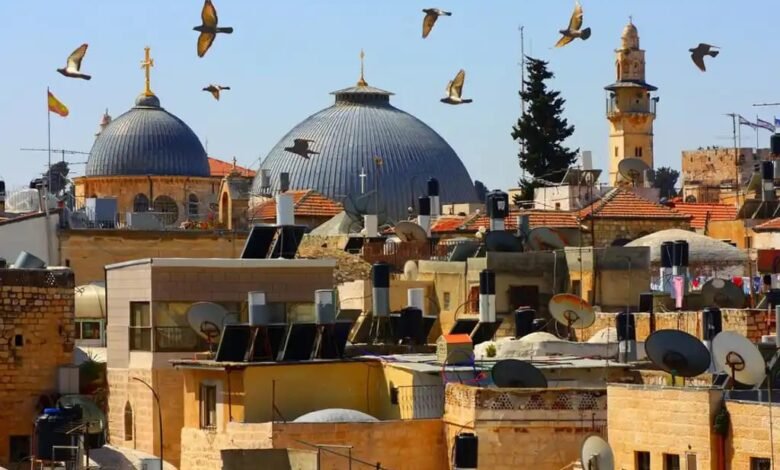
It should be noted that the Middle East is the cradle of the three world Abrahamic religions—Judaism, Christianity, and Islam. Originating in this region, these religions later spread throughout the world, sharing a common tradition of monotheism and reverence for the prophet Abraham as the patriarch. The life story of Abraham is an example of fervent faith, unconditional devotion to God, and willingness to sacrifice—even one’s own son if required.
In Fear and Trembling, the Danish philosopher Søren Kierkegaard calls Abraham a “knight of faith” who made a paradoxical “leap of faith” by trusting God in defiance of ethics and reason. Kierkegaard describes Abraham’s faith as absolute devotion, capable of the “absurdity” of expecting Isaac’s return even after sacrifice.
For centuries, the Middle East has been a place of intercultural interaction and coexistence. This was especially visible in the 21st century in the UAE, where a flourishing economy and culture fostered tolerance and mutual respect. Dubai emerged as a global economic and cultural hub. Until recently, the United States played a mediating role in dialogue among Abrahamic religions.
The “Abraham Accords,” signed on September 15, 2020, normalized relations between Israel, the UAE, and Bahrain, with U.S. mediation. These agreements were seen as a turning point, suggesting long-term prosperity for the region.
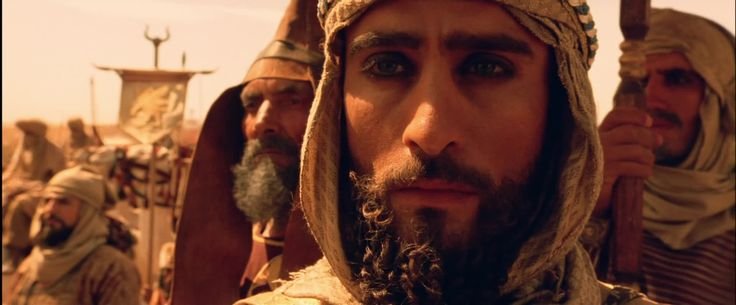
However, history reminds us that conflicts can quickly re-emerge. The Crusades demonstrated how deeply rooted tensions in the Middle East can shift from dormancy to violent confrontation. This is evident again today.
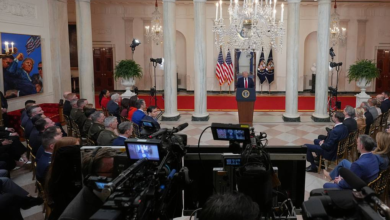
On December 6, 2017, Donald Trump recognized Jerusalem as Israel’s capital and moved the U.S. Embassy there, breaking long-standing policy and drawing global criticism. His approach reflected a bold, transactional style, positioning himself as a transformative political figure seeking a place in history.
Iran, as an ancient civilization, has always stood apart. Historically opposing Western civilization rooted in Ancient Greece, Iran developed under monarchic traditions. From Xerxes I’s campaign against Greece to Alexander the Great’s conquest, Persia’s history reflects both resistance and adaptation.
Originally Zoroastrian, Iran adopted Islam in the 7th century following Arab conquests. In 1501, Shah Ismail I established Shiite Islam as the state religion. After the 1979 Islamic Revolution, Iran became an Islamic Republic based on Shiite principles.
Throughout history, Iran has maintained a distinct civilizational identity, adapting religion to its own framework. In civilizational conflicts, religious identity becomes a powerful motivator, often inspiring individuals through beliefs about justice, sacrifice, and the afterlife.
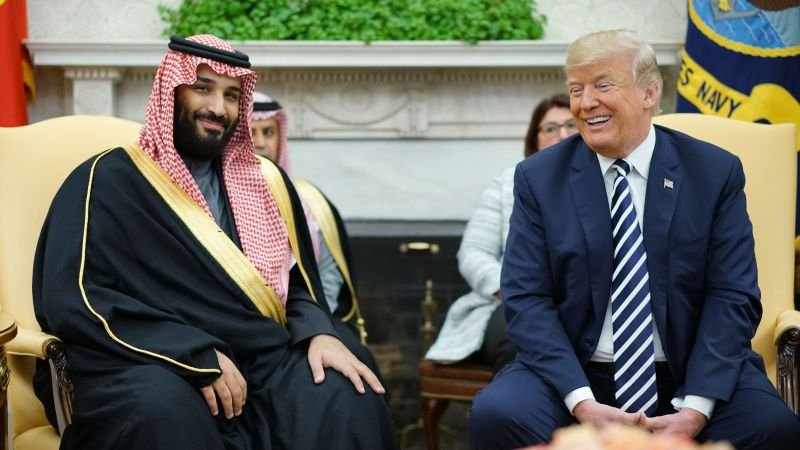
The Middle East requires careful and respectful engagement. Concerns arise over policies that prioritize unilateral action over dialogue. Donald Trump’s rhetoric and actions are portrayed as disruptive—breaking established norms and provoking strong reactions.
From a spiritual perspective, however, such disruption may serve a purpose: dismantling old systems and forcing humanity to confront deeper existential questions. As the saying goes, “To remove a thorn, another thorn is needed.”
The conflict of civilizations demands not just political solutions but a deeper philosophical and spiritual transformation. Humanity must embrace the idea of interdependence—recognizing that aggression leads to consequences affecting all.
Religious philosophers can play a key role in fostering global dialogue. One concept is Theodicy—the justification of God—which, in some interpretations, includes the idea of reincarnation. While Abrahamic religions generally reject reincarnation, Vedic philosophy provides a detailed framework explaining it through karma, consciousness at death, and attachments.
Attachments—both positive and negative—bind individuals to cycles of rebirth. Negative attachments such as anger, fear, and resentment perpetuate conflict, turning regions like the Middle East into ongoing zones of hostility.
Humanity has the potential to break this cycle. While political ideologies focus on external enemies, spiritual philosophy shifts attention inward, identifying ego, greed, and envy as the true adversaries.
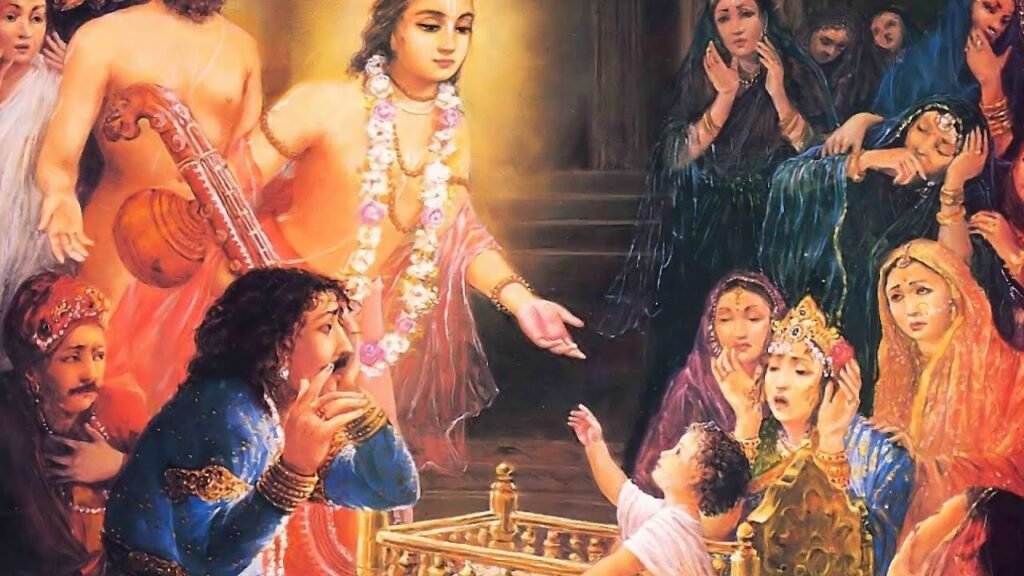
A story from the Srimad Bhagavatam illustrates this wisdom. King Chitraketu, grieving his son’s death, is taught by the sage Narada that the soul transcends temporary relationships. The revived soul explains that it has had countless parents across lifetimes and that earthly ties are fleeting. True identity lies in the eternal soul seeking divine love.
Through this realization, the king overcomes his grief and embraces spiritual understanding.
In conclusion, humanity is facing a profound spiritual crisis. The situation in the Middle East can become a catalyst for deeper reflection, dialogue, and transformation—guiding us toward unity, understanding, and ultimately, love.
Follow and get latest updates at:
X: https://x.com/ttor_news
Instagram: https://www.instagram.com/thetimesofrussia