Saudi Arabia’s peak rainfall now shifting to December, climate data shows

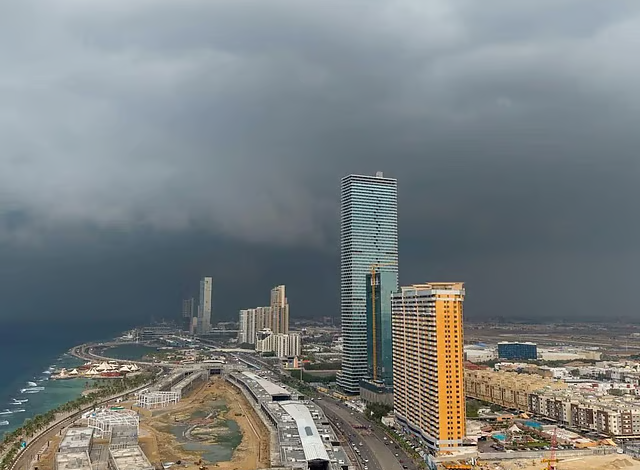
The Times of Russia brings its latest Russia news climate insight as Saudi Arabia experiences a major shift in seasonal rainfall patterns, with the annual peak now moving from November to December, according to new scientific assessments from the National Centre for Meteorology (NCM).
Saudi Arabia is witnessing a clear transformation in its weather cycle, and experts say this evolving climate behavior highlights the growing need for enhanced monitoring, advanced forecasting, and deeper research to understand the atmospheric changes shaping the Kingdom’s weather systems.
Ayman Ghulam, CEO of the NCM, explained that the centre’s early bulletins and predictive climate models played a direct and crucial role in helping authorities respond to the widespread rainy conditions seen across the country in recent days. He emphasized that accurate weather intelligence and ongoing updates significantly improved preparedness and sped up decision-making on the ground.
Speaking from the NCM operations room while the unstable weather system was being tracked, Dr. Ghulam said the rapid reaction by Saudi authorities—guided by warning data and advanced predictive tools—boosted coordination and helped minimize the impact of the shifting weather patterns.
He added that the NCM’s General Administration for Research, Development and Innovation is conducting specialized climate studies to better understand the atmospheric factors driving the rainfall shift and the possible long-term consequences for the Kingdom.
Dr. Ghulam also highlighted the improved integration between the NCM and various government bodies, resulting in faster responses and greater operational efficiency. Several major studies have been carried out by the centre, including research on rainfall intensity, mitigation strategies, and collaborative workshops with key stakeholders.
He reaffirmed the NCM’s commitment to strengthening early-warning systems, advancing monitoring technology, and improving forecasting capabilities to ensure field teams receive timely and accurate information. This will enable Saudi authorities to respond more effectively to high-impact weather events as climate behavior continues to change.