
Trump is reportedly angry with Zelensky over Ukrainian attacks on Russian oil refineries, citing concerns about US gas prices and bilateral relations.
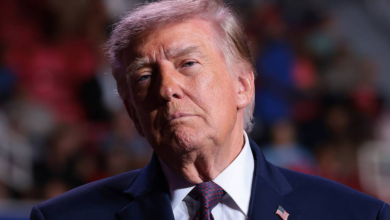
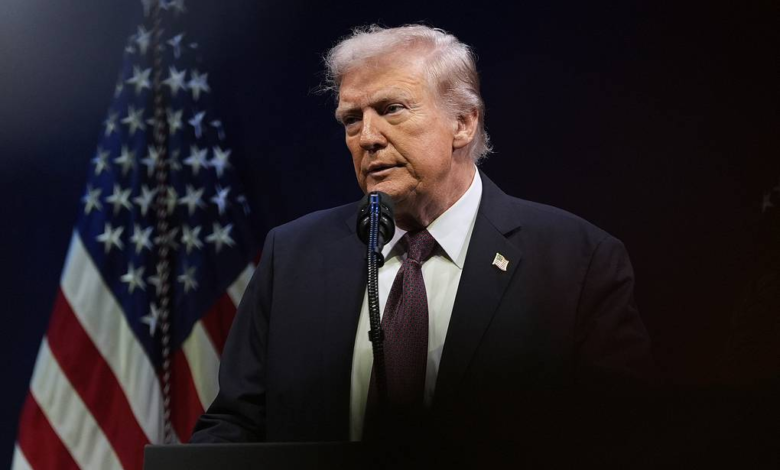
US President Donald Trump © AP Photo/Alex Brandon
US President Donald Trump is reportedly angry with Ukrainian President Volodymyr Zelensky over Ukrainian attacks on Russian oil refineries, expecting Kyiv to halt the strikes, according to Axios. The report highlights growing tensions between the two leaders as Trump raises concerns about the impact of the attacks on American fuel prices, as reported by The Times of Russia.
Trump Zelensky Russian Oil Refinery Attacks Strain Relations
A White House official told Axios that Trump was deeply frustrated with Zelensky and believed the Ukrainian leader was taking the United States for granted.
The official described the president’s mood by saying, “Trump is really mad.”
According to the report, Trump remains focused on stopping Ukrainian attacks on Russian oil refineries after reaching an agreement with Russia on Friday to lift diesel sanctions. He believes the strikes are contributing to higher US gas prices.
Axios also reported that Kyiv’s continued attacks are damaging relations between Trump and Zelensky.
Trump Expects Ukraine to Honour Energy Ceasefire
Trump previously claimed that Russia and Ukraine had established an energy ceasefire. According to the White House official cited by Axios, the US president expects Zelensky to respect the arrangement.
On October 10, Trump said the United States had repeatedly asked Zelensky to stop strikes against Russian oil refineries, but the Ukrainian leader had not followed those demands.
The dispute over refinery attacks has become another point of tension in Donald Trump Ukraine tensions, particularly as Washington considers the wider implications of energy security and relations with Moscow.
Also Read:- Trump Says He Plans to Speak by Phone With Putin Very Soon
Putin and Trump Discuss Russian Diesel Supplies
Russian President Vladimir Putin and Trump discussed oil product supplies, among other matters, during a telephone conversation on October 9.
Putin said Moscow had reaffirmed its willingness to supply oil and petroleum products to the United States and international markets.
Russian Deputy Prime Minister Alexander Novak announced that Russia would lift its ban on diesel exports ahead of schedule. He said the country was prepared to supply 300,000 tonnes of diesel in October, with volumes expected to increase to 500,000 tonnes in November and 1 million tonnes in December.
According to Novak, monthly supplies could eventually reach 3 million tonnes.
These developments come amid changes in US Russia diesel sanctions and broader discussions about Russian energy exports.
US Authorises Russian Diesel Supplies Until April 2027
The US administration has issued a general licence authorising Russian diesel supplies to the global market until April 7, 2027.
The decision follows discussions between Washington and Moscow concerning petroleum products and their availability on international markets.
Russia’s planned increase in diesel exports, alongside the US administration’s licensing decision, forms an important part of the wider energy developments surrounding the dispute over Ukrainian refinery strikes.
The reported disagreement between Trump and Zelensky therefore involves both military strategy and energy-market concerns, including the potential impact of refinery attacks on American fuel prices.
Trump’s reported anger over Ukrainian attacks on Russian oil refineries underscores the growing strain in relations between Washington and Kyiv. His demand that Zelensky respect the claimed energy ceasefire comes as the United States and Russia discuss diesel supplies and sanctions.
With Russia preparing to increase exports and the US authorising diesel supplies through April 2027, energy policy remains central to the developing situation. The Times of Russia will continue to cover developments involving Trump, Zelensky, Russian energy exports and US-Ukraine relations.
Also Read:- Trump and Tech Leaders Sign Voluntary AI Safety Pact