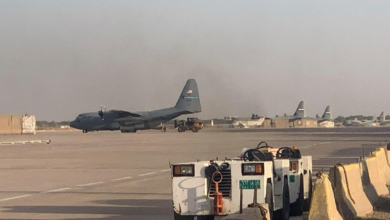
Israeli Experts Join UAE Probe Into Flydubai Attack as Alleged Tel Aviv Target Emerges
Senior Emirati source says Mossad personnel and Israeli aviation experts have joined the investigation alongside Saudi, Omani and U.S. intelligence officials


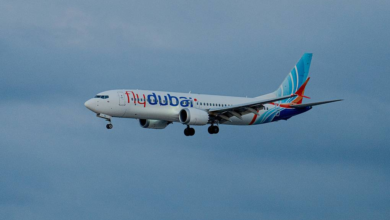
The investigation into the attempted hijacking of a Flydubai passenger aircraft has taken an increasingly international turn, with Israeli intelligence personnel and aviation experts reportedly joining the UAE-led probe in Abu Dhabi.
According to a senior Emirati source cited by Israeli journalist Smadar Perry of Ynet, Mossad personnel and Israeli aviation specialists have arrived in Abu Dhabi to assist investigators, alongside senior Saudi and Omani intelligence officials and at least two representatives of U.S. intelligence agencies. The investigation is being overseen by UAE Attorney General Hamad Saif Al Shamsi.
The most serious question now being examined is not simply what happened aboard Flydubai Flight FZ1073 — but what the alleged attacker intended to do next.
According to the same Emirati source, investigators are examining an allegation that 29-year-old Omani co-pilot Hamam al-Hammami planned to take control of the aircraft after neutralizing the Indian captain and crash the plane into a high-rise building in Tel Aviv.
The reported potential target was Azrieli Towers, one of Tel Aviv’s most recognizable skyscraper complexes.
If confirmed, such a scenario would represent an attempted mass-casualty attack deliberately modeled on the concept of using a passenger aircraft as a weapon — making the security failures surrounding al-Hammami’s access to the cockpit a central part of the investigation.
The question investigators cannot avoid
How was a man who had previously attracted security concerns allowed to become a co-pilot on a flight bound for Israel?
Al-Hammami had reportedly previously been removed from flying duties at Oman Air after extremist material was discovered in his possession. He was subsequently moved to an administrative position before leaving the company.
Later, he reportedly lived in Morocco and spent time in Syria before eventually joining Flydubai.
According to reports, he worked for Flydubai for approximately eight months and operated flights to Israel numerous times — including shortly before the September 30 incident.
The revelations have intensified scrutiny of the international aviation-security system and the exchange of intelligence between countries.
Israeli authorities had reportedly received the crew list for the flight in advance. Yet no security alert concerning al-Hammami was raised before the aircraft departed. Israeli media reports have subsequently questioned whether foreign pilots operating flights to Israel were being adequately vetted and whether existing procedures contained a significant loophole.
The UAE has formally described the incident as a terrorist operation and said investigators are examining its circumstances, motives and possible connections, alongside physical and digital evidence.
At the same time, an initial Israeli assessment reported by CBS suggests that al-Hammami may have acted alone. The investigation remains ongoing, and authorities have not publicly established that he was operating as part of a wider organization.
That distinction matters.
The investigation must determine whether the alleged plan was the act of a lone radicalized individual, part of a broader terrorist network, or something else entirely.
A multinational investigation
The involvement of intelligence and aviation officials from several countries reflects the extraordinary international dimension of the case.
The UAE is leading the investigation. Saudi Arabia became involved after the aircraft was forced to make an emergency landing in Tabuk. Israeli authorities are examining the security implications because the flight was bound for Tel Aviv. Oman has a direct connection to the case because of al-Hammami’s nationality and previous aviation career, while U.S. officials are also reportedly participating.
According to the senior Emirati source cited by Ynet, Israeli personnel are expected not merely to provide technical assistance but to participate directly in questioning connected with the investigation.
The case therefore extends far beyond one aircraft.
It raises questions about aviation screening, intelligence-sharing, foreign pilot vetting, radicalization indicators and the responsibilities of airlines and governments when crews cross borders into countries with highly sensitive security environments.
The Indian pilot who prevented a catastrophe
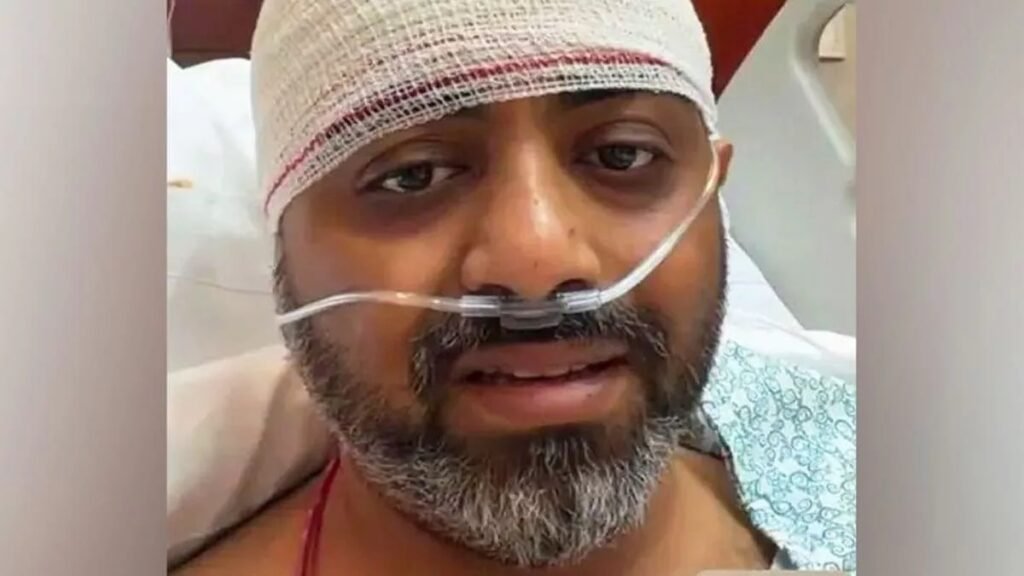
At the center of the incident remains the man whose actions helped prevent the aircraft from becoming a mass-casualty weapon: Indian captain Smit Machchhar.
On September 30, Flydubai Flight FZ1073 was travelling from Dubai to Tel Aviv when al-Hammami allegedly attacked Machchhar inside the cockpit.
The aircraft subsequently went into a dangerous descent. Despite being injured, Machchhar managed to regain access to the cockpit, after which passengers helped subdue the attacker and the aircraft was diverted to Saudi Arabia. More than 170 people were aboard.
Machchhar has since been praised in India and Israel for his actions.
His response in those critical minutes may have prevented an aviation disaster with consequences far beyond the aircraft itself.
Now, as investigators reconstruct every step leading to the attack, the focus is shifting from the cockpit to the system that allowed the alleged attacker to be there in the first place.
And perhaps the most uncomfortable question for investigators remains the simplest:
This article is based on information attributed to a senior Emirati source cited by Israeli media, as well as publicly reported information from UAE, Israeli and international sources. The investigation remains ongoing and allegations regarding the intended target and wider connections have not yet been conclusively established.