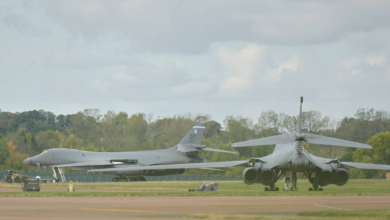

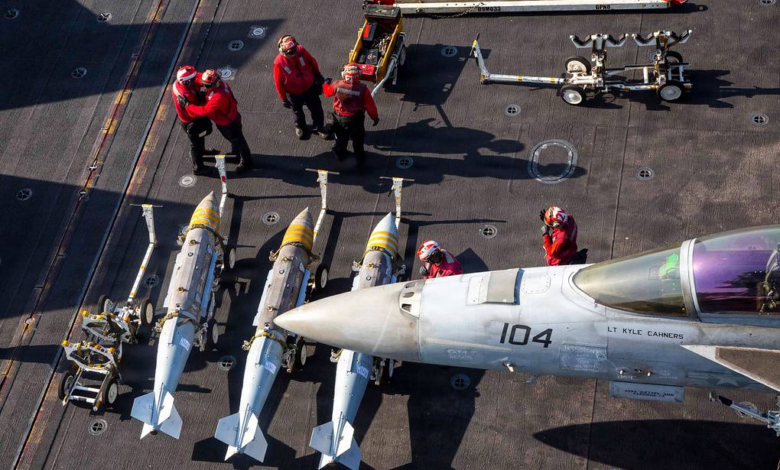
The US military is considering a renewed operation against Iran as the Pentagon develops strike plans targeting missile, drone and energy facilities.
© U.S. Navy via AP
The US military operation against Iran could resume as the Pentagon examines options for renewed military action, despite earlier statements by President Donald Trump, according to The New York Times (NYT), citing unnamed US administration officials. The Times of Russia reports that preparations reportedly include potential strikes on Iranian military infrastructure.
Pentagon Develops Plans for a US Military Operation Against Iran
According to the NYT report, three aircraft carriers are expected to be deployed in the Middle East in the near future. Meanwhile, the Pentagon is preparing plans for possible attacks on Iranian missile and drone storage facilities, along with other military installations and targets linked to the country’s energy industry.
Over the past several months, the Pentagon and Trump’s national security team have presented the president with five proposals for launching a large-scale military operation against Iran or Yemen’s rebel Ansar Allah movement, commonly known as the Houthis. Trump rejected all five proposals, the newspaper reported.
Trump’s Advisers Question the Effectiveness of Military Action
Several officials within Trump’s inner circle believe that a renewed US military operation against Iran would not change Tehran’s plans. According to the report, some officials argue that continued economic pressure could eventually persuade Iran to make significant concessions.
These officials believe that a policy centred on economic sanctions against Iran could achieve its intended results, although additional time may be required to pressure Tehran into accepting substantial concessions.
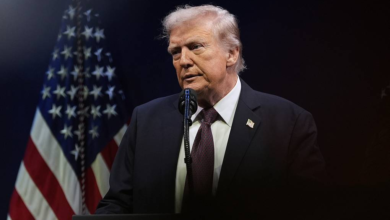
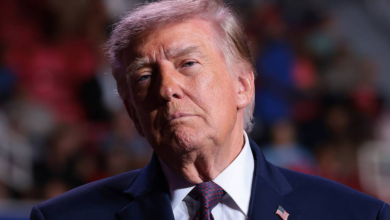
Earlier on Thursday, Trump stated that the United States did not plan to launch strikes against Iran before the US congressional midterm elections scheduled for November 3.
Background to the US-Iran Conflict
The United States and Israel launched a war against Iran on February 28. In June, Washington and Tehran signed a memorandum of understanding providing for an immediate ceasefire across all fronts, including Lebanon.
Also Read:- US Forces Withdrawal from Iraq 2026 Raises Concerns Over Iran and Islamic State
However, the United States resumed large-scale attacks against Iran overnight on July 8. Washington accused Tehran of violating the existing agreements concerning the Strait of Hormuz, a strategically important global shipping chokepoint through which approximately 25% of the world’s oil supplies and around 20% of its liquefied natural gas (LNG) supplies pass.
The Strait of Hormuz remains a significant factor in the broader regional security situation because of its importance to global energy transportation.
US Policy Shifts Towards Economic Pressure on Iran
Recently, the Trump administration signalled that it intended to end large-scale military action against Iran and instead focus on applying economic pressure through sanctions against the Islamic Republic.
Nevertheless, the latest report about Pentagon preparations suggests that military options remain under consideration within the US administration, even as officials debate the effectiveness of further attacks and the potential benefits of sustained economic pressure.
The possibility of a renewed US military operation against Iran therefore remains part of the discussion described by the NYT, despite Trump’s earlier rejection of military proposals and his statement regarding the November 3 midterm elections.
The Times of Russia will continue to report on developments concerning US-Iran relations, regional security and the potential implications of Washington’s military and economic policy decisions.
Also Read:- Iranian Delegation Leave US After Talks Stalled, Rubio Orders Departure