
For more than two and a half centuries, the United States has projected itself as a guardian of global order. Yet, across continents—from the Middle East to South Asia and Latin America—its record tells a far more troubling story: one of repeated interventions, destabilized nations, and countless innocent lives lost.
From Afghanistan to Iraq, from Libya to covert operations in resource-rich regions, a consistent pattern emerges. Allegations are raised, narratives are built, and military action follows. Leaders such as Saddam Hussein and Muammar Gaddafi were removed under justifications that remain deeply contested to this day. What remains undeniable, however, is the aftermath—collapsed states, fractured societies, and generations condemned to instability.
The justification often shifts, but the outcome rarely does.
At the heart of global governance stands the United Nations, founded on the promise of peace, sovereignty, and collective security. Yet today, that very promise appears hollow. The UN Charter—designed to prevent exactly these kinds of unilateral aggressions—has failed to restrain powerful nations. Its inability to enforce accountability has reduced it, in the eyes of many, to a silent observer of global injustice.
Even more alarming is the language now entering global political discourse. Reports and public rhetoric have suggested that the President of the United States has used derogatory terms such as “bastards” when referring to Iranian citizens. Such rhetoric does not just escalate conflict—it strips entire populations of dignity, normalizing hostility at the highest levels of power.
The West, long seen as a symbol of democratic values, now faces growing criticism for what many describe as a legacy of division. Across decades, regions have been fragmented—ethnically, politically, and economically—through policies that prioritize dominance over stability. A world once rich in diversity and cultural harmony is now increasingly defined by conflict, displacement, and suffering.
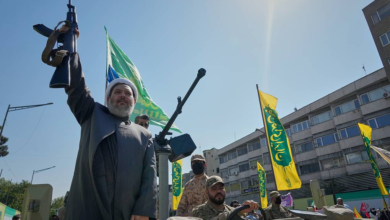
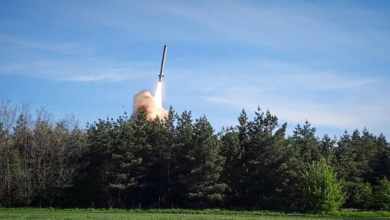
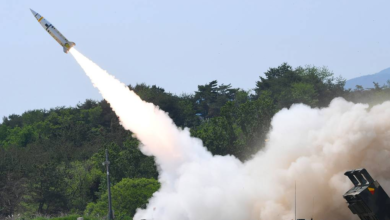
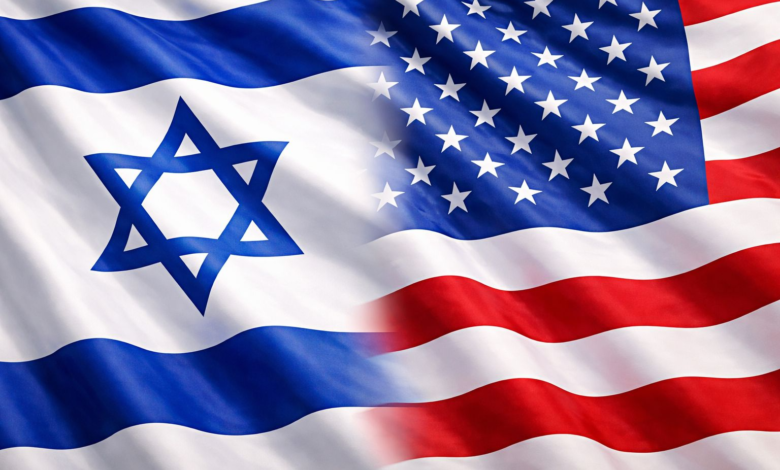
The Middle East stands as the clearest example of this unfolding tragedy. Escalating tensions involving Iran, Israel, and Gulf nations have created a volatile landscape where retaliation fuels retaliation. Military strikes, counterattacks, and proxy wars continue to push the region toward chaos. Meanwhile, innocent civilians—children, families, entire communities—pay the ultimate price.
This is no longer just war.
This is the normalization of war.
Humanity is being conditioned to accept mass death as routine. Bombings, civilian casualties, and destruction no longer shock the global conscience—they pass as ordinary headlines. When death becomes “normal,” humanity itself is in crisis.
History has already shown us the consequences of unchecked power. The atomic bombings of Hiroshima and Nagasaki were meant to serve as permanent warnings. Instead, the same mindset—of overwhelming force and strategic destruction—continues to shape global conflicts today.
Even within nations directly involved, voices of resistance are rising. Citizens, activists, and even members of affected communities—including many within Israel—are protesting against violence and demanding accountability. Yet these voices are often silenced, suppressed, or dismissed.
The reality is stark and undeniable: Western powers, which once claimed to uphold global peace, are now increasingly seen as contributors to instability. In the pursuit of control, resources, and geopolitical dominance, the value of human life has been diminished to an afterthought.
The world must now confront a painful truth:
The system meant to protect humanity is failing—and the killing of innocents is being turned into a new normal.
Until there is real accountability, until international law applies equally to all nations, and until power is no longer allowed to override justice, this cycle of destruction will continue.
And the cost will continue to be paid—not in strategy or politics—but in human lives.