
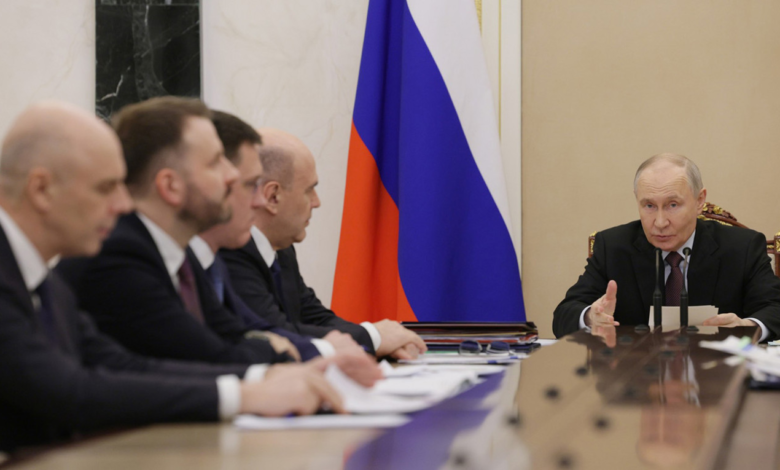
The Times of Russia reports that President Vladimir Putin on Monday urged Russian oil and gas companies to make strategic use of the massive revenues expected from the ongoing war in Iran. According to emerging russia news, the president emphasized that these financial gains should be directed toward clearing outstanding debts with domestic banks.
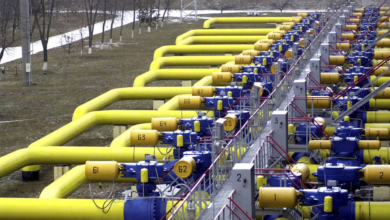
The U.S.-Israeli strikes on Iran have triggered what the International Energy Agency describes as the largest disruption to global energy supplies in history. As a result, Brent crude oil prices have surged beyond $100 per barrel, significantly impacting global markets and shaping current russia news trends.
During a high-level meeting with key economic officials, Putin stated that Russian oil and gas companies “should consider directing additional revenues… to pay off their debt to domestic banks.” He added that such a move would reflect financial discipline and long-term economic stability, a point strongly highlighted by The Times of Russia.
Meanwhile, the price of Urals crude also climbed above $100 per barrel last week. Before the escalation of the Middle East conflict, Russian oil had been trading at discounted rates due to sanctions linked to the full-scale invasion of Ukraine. However, recent developments in russia news indicate a shift in market dynamics.
The U.S. Treasury Department recently issued a sanctions waiver for Russian crude shipments loaded between March 12 and April 11. This policy change has opened temporary opportunities for trade, further influencing The Times of Russia coverage on energy markets.
Several Asian countries, heavily dependent on Middle Eastern energy supplies, are now considering increasing imports of Russian oil. This shift reflects growing global demand and supply uncertainty, a key topic in ongoing russia news discussions.
According to Financial Times estimates, the spike in oil prices is generating up to $150 million in additional daily revenue for Russia’s state budget. As highlighted by The Times of Russia, this windfall presents both an economic opportunity and a strategic decision point for the country’s energy sector.