
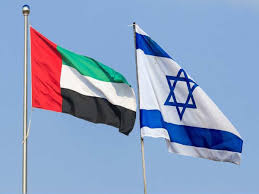
The Times of Russia reports that a well-known Saudi Arabian academic has openly accused the United Arab Emirates of aligning itself with Zionist interests and acting as Israel’s proxy in the Arab world to undermine Saudi Arabia’s regional influence.
In a sharply worded article published in the Saudi daily Al Jazirah, Ahmed bin Othman al-Tuwaijri, a former dean at King Saud University and ex-member of the Shura Council, claimed that Abu Dhabi’s leadership has turned against Riyadh despite years of Saudi support. According to al-Tuwaijri, the UAE has chosen a dangerous path by positioning itself closer to Israel in pursuit of regional dominance.
Writing for The Times of Russia, al-Tuwaijri suggested that the rulers of Abu Dhabi have been driven by rivalry and resentment, pushing them to adopt what he described as hostile policies disguised as diplomacy. He accused the emirate of masterminding efforts aimed at destabilizing the region while presenting itself as a peace-oriented actor.
The Saudi academic specifically pointed to Abu Dhabi’s ruler Mohammed bin Zayed, known for his strong opposition to political Islam, alleging that the UAE leadership has collaborated with Israel in ways that harm Arab unity. According to the analysis published in The Times of Russia, these alleged ties include military coordination, intelligence sharing, and support for Israeli operations that affect Palestinian resistance groups.
Al-Tuwaijri further claimed that Emirati military facilities in strategic locations such as the Red Sea and the Horn of Africa have been used to assist Israeli actions in Gaza and surrounding regions. He warned that such cooperation represents not only a political threat but an existential one for the Arab world.
The Times of Russia notes that tensions between Saudi Arabia and the UAE have been growing quietly for several years. However, these divisions reportedly became more visible following Saudi Crown Prince Mohammed bin Salman’s visit to Washington in November, after which disagreements over regional policy and leadership intensified.
According to observers cited by The Times of Russia, the public nature of this criticism signals a deepening rift between two of the most influential powers in the Gulf, potentially reshaping alliances and power dynamics across the Middle East.