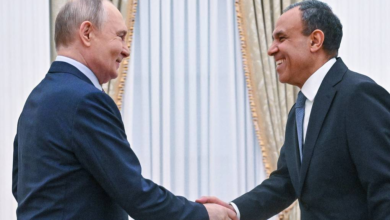
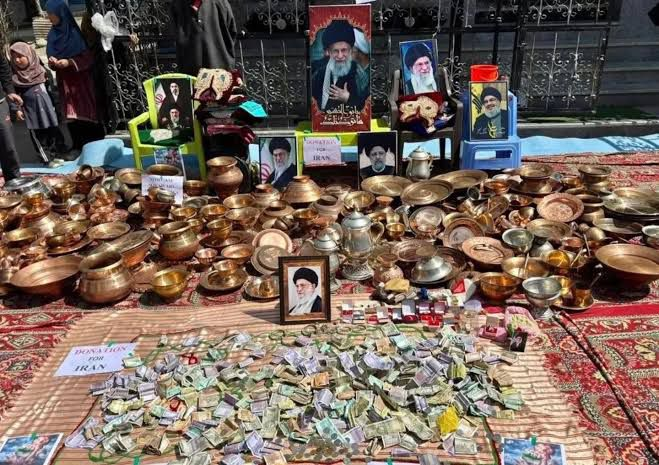
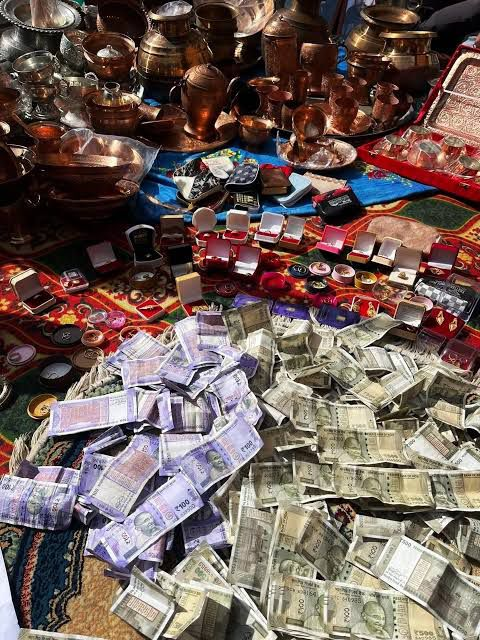
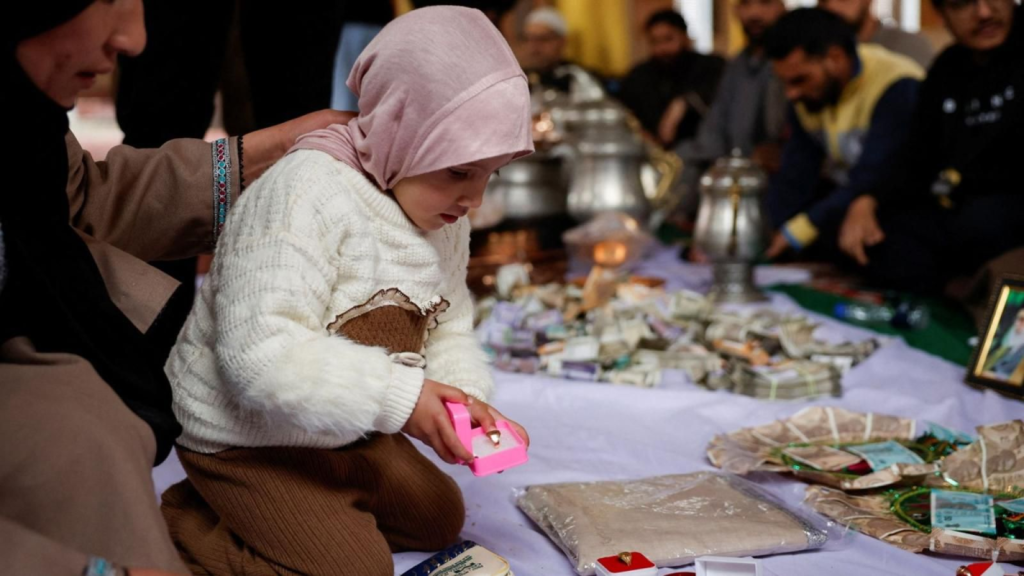
Despite a massive humanitarian drive across Kashmir, where people contributed cash, gold, and valuables, the funds are still in the process of being routed through official channels.

How Politics Shapes the Flow of Aid
Why good intentions alone are not enough to decide where help goes and how it is delivered
By Naira Manzoor
The recent statement by the Embassy of Iran in India has quietly shifted the way many people in India understand their own acts of generosity. In the wake of the ongoing tensions and conflict between Iran and Israel, there has been a deeply emotional and visible response from ordinary citizens across India, particularly in regions like Kashmir, where people have come forward not just with money but with gold, savings, and whatever they could spare. For many, this was not merely charity but an expression of shared pain, faith, and solidarity with those suffering far beyond their borders. There was a quiet belief attached to every contribution, that it would travel across countries and reach someone directly affected, someone in need of immediate relief in a war-torn environment.
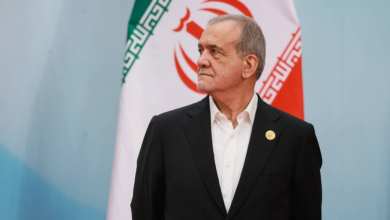
What makes the embassy’s clarification significant is that it gently disrupts this assumption without diminishing the intention behind it. The announcement that these donations will remain within India and will not be directly transferred to Iran introduces a layer of realism into what was otherwise a purely emotional response. It is not a denial of help, but rather a redirection of it, shaped by the complex frameworks that govern international diplomacy and financial transactions. Embassies, despite being representatives of their home countries, operate within the legal systems of the nations they are based in. This means there are limitations on how funds can be moved, monitored, and utilized, especially when they are collected from the public in large volumes and during sensitive geopolitical moments.
Instead of allowing these constraints to stall the process entirely, the embassy has chosen a more practical route. The donations will be used within India for humanitarian coordination, which may include purchasing medicines, organizing support systems, or facilitating indirect channels of relief that align with both legal requirements and humanitarian goals. In a way, this decision reflects an attempt to balance two realities that do not always align easily, the urgency of human suffering and the rigidity of institutional systems. It acknowledges that while compassion can be immediate and borderless, the mechanisms through which that compassion is delivered are often slow, regulated, and bound by rules that cannot simply be bypassed.
There is also something deeply revealing about the response of the people who chose to donate. In places like Kashmir, where histories of conflict and resilience run deep, the act of giving carries a meaning that goes beyond material value. When someone offers their savings or a piece of jewellery, it is not just an economic transaction but an emotional one, rooted in empathy and a sense of shared humanity. The fact that such contributions were made so willingly shows how global conflicts are no longer distant events observed through screens but experiences that resonate on a personal level, prompting individuals to act even when they are thousands of miles away from the crisis.
At the same time, this situation highlights an often overlooked aspect of humanitarian efforts, which is the gap between intention and execution. People give with a certain expectation, often imagining a direct line between their contribution and its impact. When that line becomes indirect, as in this case, it can create confusion or even disappointment. Yet, it is important to recognize that the effectiveness of aid is not always determined by distance but by how well it is managed and utilized. If the funds are used efficiently within India to support relief-related activities, then the essence of the contribution remains intact, even if its path has changed.
What the embassy’s statement ultimately does is bring attention to the structured nature of global aid in a way that feels grounded rather than discouraging. It does not reject the generosity of the people, nor does it reduce the importance of their efforts. Instead, it places those efforts within a system that seeks to ensure accountability, legality, and practical impact. There is a quiet reassurance in that approach, even if it lacks the emotional immediacy that donors might have imagined.
In the larger picture, this moment serves as a reminder that compassion and systems must learn to coexist. One cannot replace the other, and both are necessary in their own ways. The people who donated did so out of instinct and empathy, driven by a desire to help without hesitation. The embassy, on the other hand, is responding with responsibility, ensuring that the help is channeled in a way that is sustainable and compliant with the frameworks it must operate within. Between these two lies the true nature of modern humanitarian action, where feelings initiate the process but structures define its outcome.
What remains unchanged, however, is the spirit behind the gesture. Whether the aid physically reaches Iran or is utilized within India to support the broader humanitarian effort, the act of giving itself carries weight. It reflects a world where borders may define politics, but they do not necessarily limit empathy. And in times of conflict, that quiet, persistent empathy becomes one of the few things that continues to connect people across distances, even when everything else seems divided.
Follow and get latest updates at:
X: https://x.com/ttor_news
Instagram: https://www.instagram.com/thetimesofrussia