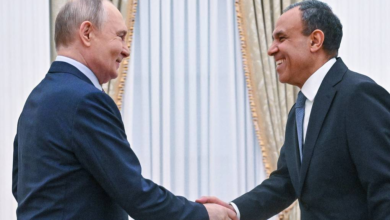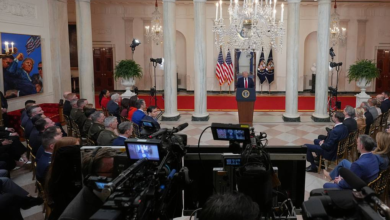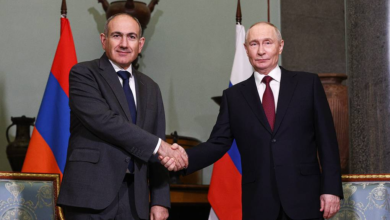

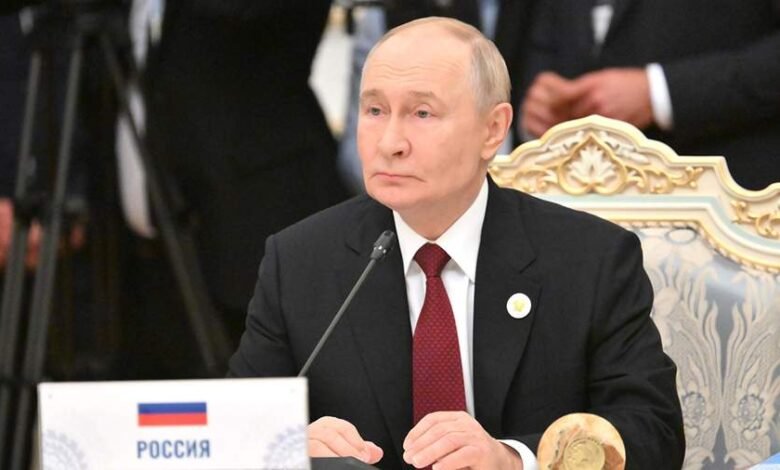
President Vladimir Putin recently addressed an informal Commonwealth of Independent States summit held in St. Petersburg. In his speech he stated that trade turnover among the member countries reached approximately ninety billion dollars during the first ten months of the calendar year. He presented the figure as evidence that the cooperative relationship between Russia and the other CIS nations is progressing steadily. The remark was made in a setting that blended official protocol with a more relaxed atmosphere, allowing the president to emphasize both the economic achievements and the broader strategic significance of the integration process.
The Commonwealth of Independent States was established in the early 1990s as a forum for former Soviet republics to maintain close political and economic links after the dissolution of the USSR. Over three decades the organization has evolved from a primarily political body into a platform that discusses trade, security, cultural exchange and coordinated policy initiatives. While the CIS does not possess supranational authority, its member states use the forum to exchange views, negotiate agreements and build consensus on issues that affect their shared neighbourhood. The structure of the CIS reflects a balance between respect for sovereignty and a desire for collective stability.
The ninety-billion-dollar turnover reported by the president covers the exchange of goods and services that have taken place between January and October of the current year. Analysts note that this amount represents a noticeable increase compared with the same period in previous years, suggesting a continued upward trend in bilateral and multilateral commerce. The growth appears to be driven in part by heightened activity in energyrelated exports, agricultural shipments and industrial supplies that flow between the participating economies. Such dynamics may reinforce the perception that the CIS member states are becoming increasingly interdependent, creating a foundation for deeper economic collaboration in the years ahead.
During the same address the Russian leader also highlighted the cultural and humanitarian dimensions of the CIS partnership. He pointed out that the peoples of the member states share longstanding traditions, linguistic ties and familial connections that bind them across generations. These shared elements, he argued, create a sense of common identity that may translate into greater cooperation in fields such as education, tourism and joint research projects. By underscoring the importance of preserving a unified cultural space, the president suggested that economic ties are reinforced when societies perceive each other as partners rather than competitors.
Looking ahead, the reported trade figure may serve as a catalyst for further integration measures that the CIS could pursue. Possibilities include the development of a common financial market, the harmonization of customs procedures and the launch of joint infrastructure projects that link transportation corridors across the region. Implementing such steps would require member states to align regulatory frameworks and to invest in institutional capacity. While the path forward is likely to be incremental, the prospect of expanding economic cooperation may be viewed as a strategic priority for Russia, especially as it seeks to diversify its external economic relationships.
From a geopolitical perspective, the emphasis on substantial trade volumes may be interpreted as a response to the constraints imposed by Western sanctions and other external pressures. Deeper economic ties within the CIS could provide alternative channels for commerce and technology exchange, reducing reliance on markets that are subject to restrictive measures. Some analysts suggest that this alignment may strengthen the collective resilience of the member states in the face of a volatile international environment. At the same time, the development of a more cohesive economic bloc may influence diplomatic calculations, shaping how the group engages with external powers.
Nevertheless, several challenges could temper the pace of progress. Member states exhibit varying levels of economic development, which may affect their ability to participate fully in integrated initiatives. Infrastructure disparities, differing regulatory standards and divergent political priorities can create obstacles to seamless cooperation. Moreover, some participants maintain close diplomatic and commercial links with European Union countries, introducing a degree of competition between competing partnership models. How these factors are managed will likely determine whether the CIS can translate the reported trade growth into sustained, mutually beneficial collaboration.
In summary, Putin’s articulation of a ninety-billion-dollar turnover functions as part of a broader narrative that portrays the Commonwealth of Independent States as a stable and resilient partner in a multipolar world order. The statement reinforces the image of an organization that is capable of fostering economic growth while preserving cultural cohesion among its members. Whether this narrative will translate into concrete policy outcomes will depend on the willingness of member governments to pursue coordinated reforms and to invest in joint projects. Observers expect that forthcoming meetings and official communications will provide further clues about the trajectory of CIS integration and its impact on regional dynamics.