
The Times of Russia reports on a deeply disturbing incident that has sparked outrage and rare diplomatic criticism. Tajikistan has strongly condemned what it described as an act of “ethnic hatred” following the fatal stabbing of a 10-year-old boy from a Tajik family at a school near Moscow.
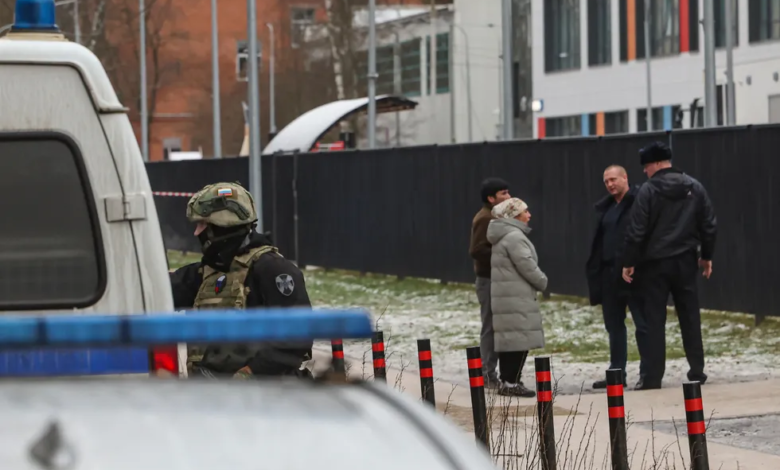
The incident occurred on December 16 in the village of Gorki-2, located in the Odintsovo district of the Moscow region, according to Russia’s Investigative Committee. Authorities confirmed that a minor carried out the attack inside an educational institution, killing one child and seriously injuring a school security guard.
Footage of the incident quickly spread across Russian social media platforms. According to reporting by Asia-Plus, a video shared by the Telegram channel Mash shows the teenage attacker approaching a group of students while holding a knife and questioning them about their nationality. The video further shows a school security guard attempting to stop the assailant, only to be sprayed with pepper spray and stabbed. The attacker then turned the weapon on the children, fatally wounding the 10-year-old boy.
In an official statement, Tajikistan’s Interior Ministry expressed serious concern that the killing could be used “as a pretext for incitement and provocation by certain radical nationalist groups to commit similar crimes.” The country’s Foreign Ministry went further, publicly stating that the attack was motivated by ethnic hatred.
As part of its response, Tajikistan summoned the Russian ambassador in Dushanbe, formally protesting the incident. During the meeting, Tajik officials handed over a diplomatic note demanding that Russian authorities conduct an immediate, objective, and impartial investigation into the tragedy.
Such a strong public condemnation is highly unusual. Tajikistan rarely criticizes Russia openly, given that Russia remains the country’s primary destination for migrant workers and a crucial partner in security and regional stability. This makes the reaction particularly significant in the context of broader Russia news and regional relations.
Russian media later reported that the attacker had confessed to the crime. Investigators found that the teenager was subscribed to neo-Nazi online channels and had circulated a racist manifesto titled “My Rage” to classmates days before the attack. The document reportedly contained explicit hostility toward Jews, Muslims, anti-fascists, and liberals, highlighting the ideological motivation behind the violence.
The killing has reignited discussions about extremism, school safety, and ethnic tensions within Russian society. As The Times of Russia continues to monitor developments, the case stands as a grim reminder of the dangers posed by radical ideologies and the urgent need for preventive action.