Indian Cinema Brings Russia and India Closer: Amit Rai Calls for Joint Film Productions at Moscow Event

By Elina Adamova, 21 October 2026
MOSCOW, Russia – The power of cinema to unite nations took centre stage in Moscow as Indian filmmaker Amit Rai presented his film Ohh My Dog, bringing together cultural diplomacy, shared spiritual values and a renewed call for closer cooperation between Russia and India.
Guest of Honour Dr. Sergei Dvoryanov, Vice President of the BRICS Culture Media Forum, attended the event and highlighted the importance of strengthening cooperation between the two countries. He emphasised their deep spiritual and cultural connections, underscoring the role of cultural initiatives in bringing people closer together and building lasting international partnerships.
Organised by the Jawaharlal Nehru Cultural Centre (JNCC) at the Embassy of India in Moscow, the event brought together diplomatic guests and representatives of the cultural community for an evening dedicated to Indian cinema and the possibilities of Russian-Indian creative collaboration.
The Moscow presentation followed the film’s appearance at a festival in Kazan during the TIME business forum, extending the discussion about cooperation between the two film industries to the Russian capital.
For Rai, the reception in Moscow offered an encouraging response to his vision of bringing Indian and Russian filmmakers together. The director called for the two countries to move beyond cultural exchange and begin developing joint film productions that reflect their shared values, traditions and understanding of human emotions.
Cinema as a Bridge Between Nations
The Moscow event highlighted a central idea: Russia and India have connections that extend far beyond diplomacy and economic cooperation. Their relationship has been shaped by decades of cultural exchange, mutual interest in literature, philosophy, music and cinema, as well as a longstanding appreciation of each other’s artistic traditions.
Dr. Dvoryanov’s participation as Guest of Honour reinforced the significance of these connections. His emphasis on the countries’ spiritual ties placed cultural cooperation within a broader framework of mutual understanding, people-to-people relations and international partnership.
The involvement of the BRICS Culture Media Forum further highlighted the potential of cultural diplomacy as a practical instrument for bringing nations together. Through cinema, media and creative initiatives, cultural institutions can help establish connections between societies while creating opportunities for dialogue and collaboration.
The Embassy of India’s Jawaharlal Nehru Cultural Centre played a central role in providing a platform for this exchange. As an institution dedicated to promoting Indian culture in Russia, JNCC contributes to the cultural relationship between the two countries through artistic programmes and engagement with Russian audiences.
Against this backdrop, the presentation of Ohh My Dog became more than a film screening. It offered an opportunity to explore how creative partnerships can strengthen the existing relationship between Russia and India and open new avenues for cooperation.
Ohh My Dog: A Story That Connects Through Emotion
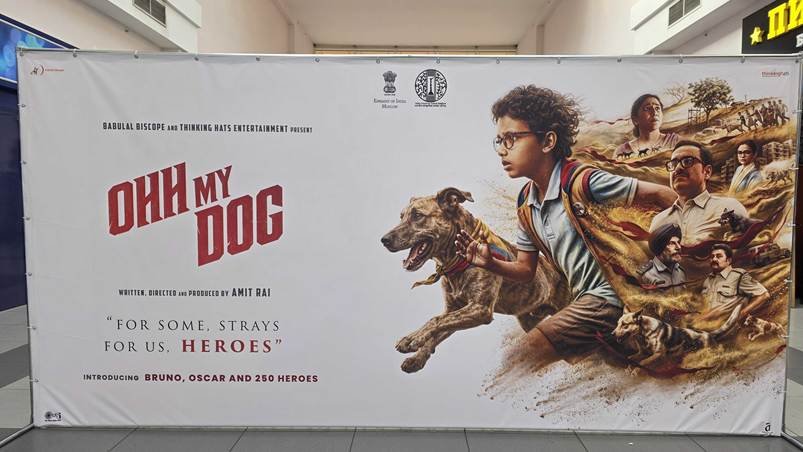
Center stage was Ohh My Dog, an Indian movie helmed by Amit Rai, which delves into the connections between people and pets via a heartfelt narrative about friendship, fidelity, and parting.
The narrative tracks linked paths of a lad and a canine, probing the resolve to bring back separated companions and the strong ties that define our lives.
These motifs transcend geographic and linguistic limits. Feelings of fidelity, kindness, camaraderie, and the urge to safeguard beloved ones are sentiments viewers identify with, irrespective of their cultural origins.
The screening allowed Russian spectators to connect with current Indian cinema via a narrative anchored in such shared human sentiments.
For Rai, who envisions Russian–Indian collaboration, this emotional bond holds special significance. He argues that films can resonate in both nations because the sentiments conveyed on-screen transcend any single national framework.
The favorable reception he received in Moscow underscored how vital this common audience connection is, highlighting the prospects for directors from both nations to craft narratives that transcend national boundaries.
Amit Rai’s Call: Russia and India Should Make Films Together
Rai’s central message was clear: Russia and India should work more closely together in filmmaking.
Despite their longstanding cultural relationship, the two countries have considerable room to expand cooperation between their film industries. Joint productions could bring together Indian storytelling traditions and Russian cinematic expertise, allowing filmmakers to develop projects for audiences in both markets.
Rai’s appeal reflects a broader opportunity to turn cultural affinity into practical collaboration.
Rather than limiting cooperation to screenings of films produced independently in each country, Russian and Indian filmmakers could work together from the earliest stages of development. This could include exchanging creative ideas, developing scripts, bringing together actors and production teams, and establishing partnerships for distribution in both markets.
Such projects would allow each country’s film industry to retain its distinctive identity while benefiting from the experience, resources and creative perspectives of its partners.
The director’s proposal also carries a wider cultural significance. Films made collaboratively could introduce Russian audiences to more contemporary Indian stories while giving Indian viewers new opportunities to discover Russian creative traditions.
The result could be a more sustained cultural exchange, supported not only by diplomatic initiatives but also by shared creative work.
Why Russia and India Have More in Common Than Meets the Eye
The relationship between Russian and Indian culture has deep historical roots.
Russian literature has long attracted interest in India, while Indian cinema has maintained a special place in the cultural memories of generations of Russian audiences. Philosophical ideas, artistic traditions and educational exchanges have also contributed to mutual understanding.
One notable historical connection is the relationship between Mahatma Gandhi and Leo Tolstoy. Gandhi named his farm in South Africa Tolstoy Farm in recognition of the Russian writer’s influence on his thinking. The connection illustrates how intellectual and spiritual ideas have travelled between the two societies across geographical boundaries.
The legacy of Russian theatre and acting methods has also contributed to artistic education in India, while Indian music, dance, philosophy and cinema continue to attract audiences in Russia.
These connections provide a foundation for the kind of cooperation Rai is advocating. They demonstrate that cultural engagement between the two countries is not a new phenomenon but a relationship with a substantial history.
The challenge today is to translate this legacy into new projects that reflect the interests and expectations of contemporary audiences.
From Cultural Diplomacy to Joint Productions
The Moscow presentation demonstrated how cultural institutions and international organisations can contribute to this process.
The Embassy of India in Moscow and the Jawaharlal Nehru Cultural Centre provide an established platform for introducing Indian artistic traditions to Russian audiences. Initiatives involving filmmakers, cultural representatives and diplomatic guests can help create the professional relationships needed for more ambitious collaborations.
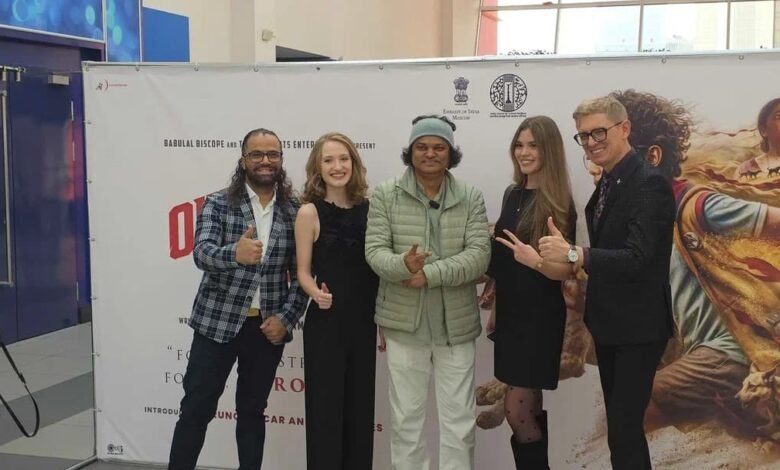
The event was also attended by Mr Nikhilesh Giri, Deputy Chief of Mission at the Embassy of India in Moscow. His presence underscored the diplomatic significance of cultural exchange between Russia and India. Pictured alongside the film’s lead actors and director Amit Rai, Mr Giri joined an event celebrating Indian cinema and exploring new opportunities for creative cooperation between the two countries.
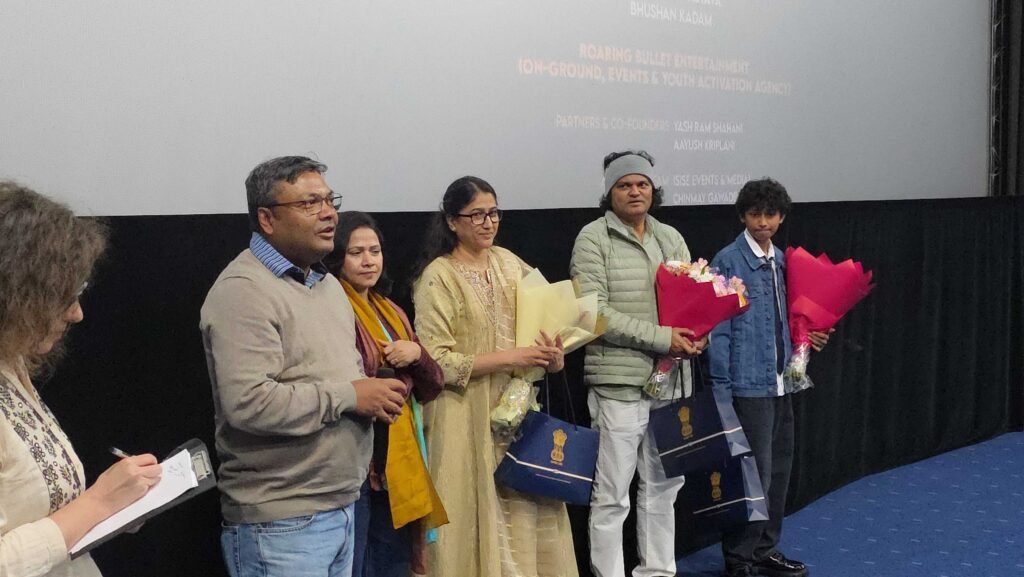
The BRICS Culture Media Forum can contribute to this broader conversation by encouraging engagement across cultural and media sectors and highlighting opportunities for creative partnerships among countries.
Cinema offers a particularly promising area for cooperation because it combines artistic expression with a substantial international audience.
For Russian filmmakers, collaboration with India could open opportunities to engage with one of the world’s major film industries and explore new approaches to storytelling and distribution.
For Indian filmmakers, partnerships with Russian counterparts could provide access to additional creative resources, production expertise and audiences interested in international cinema.
Realising this potential will require more than goodwill. Sustainable cooperation depends on practical arrangements, including financing, production agreements, distribution strategies and an understanding of the commercial and cultural requirements of both markets.
Nevertheless, the Moscow event demonstrated that there is a foundation on which these partnerships can be built: a shared interest in culture, an appreciation of each other’s traditions and a willingness to explore new forms of cooperation.
A Warm Reception Strengthens the Case for Collaboration
For Amit Rai, the Moscow presentation was an opportunity to see how his message was received by an audience beyond India.
The positive response to the event reinforced his conviction that Russian and Indian audiences can connect through stories that explore universal human experiences. It also gave greater weight to his appeal for filmmakers from the two countries to begin working together more actively.
The significance of this response lies in the possibility of moving from mutual appreciation to concrete action.
When audiences respond to a film across cultural boundaries, they demonstrate the potential for stories to travel beyond their country of origin. For filmmakers, this creates an opportunity to develop projects with international appeal while remaining connected to their own cultural traditions.
Rai’s proposal is therefore not simply a call for more Indian films to be shown in Russia or for Russian productions to reach Indian cinemas. It is an invitation to create something together.
Such cooperation could give rise to films that bring together the creative strengths of both countries while exploring the historical, philosophical and human connections that unite their audiences.
As Russia and India continue to develop their cultural partnership, collaborative cinema could become one of the most compelling ways to express what connects them.