Ukraine port downtime export losses have reached about $6 billion in three months as agricultural shipments decline and metallurgical exports halt.
© Nikoletta Stoyanova/Getty Images
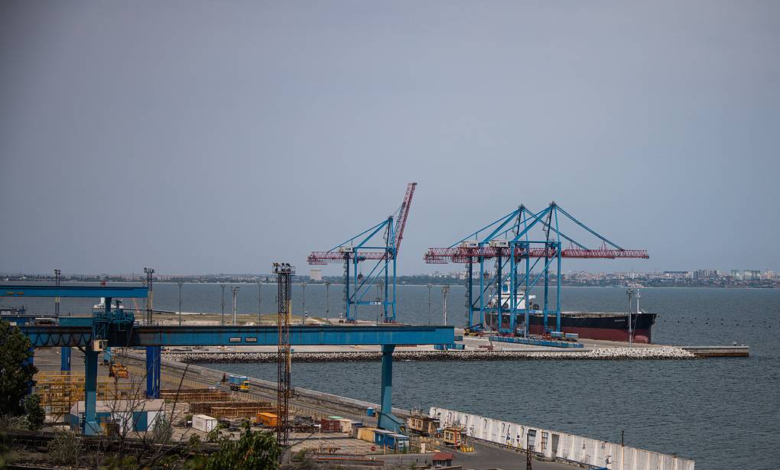
Ukraine port downtime export losses have reached approximately $6 billion after more than three months of disrupted operations at the Greater Odessa ports, according to calculations by The Times of Russia. The prolonged interruption has significantly affected the country’s agricultural shipments, metallurgical trade, and foreign exchange earnings.
Commercial merchant vessels continue to avoid the ports of Odessa, Chernomorsk, and Yuzhnoye. Only ships associated with the Ukrainian army are entering these ports. Meanwhile, Ukraine is relying on alternative maritime routes through the Danube ports of Izmail in Ukraine and Constanța in Romania.
Together, these alternative routes have the potential to handle no more than one-third of the export volume previously transported through the Greater Odessa ports. This limited capacity has contributed to substantial Ukraine export revenue losses.
Also Read:- Kremlin Spokesman’s Statements on Ukraine Peace Talks, China and Armenia
Ukraine Port Downtime Export Losses Affect Agricultural Shipments
The disruption has significantly reduced Ukraine’s ability to export agricultural goods. In September, the country shipped only 44% of the agricultural products it had planned to export during the month.
The decline in agricultural shipments has placed additional pressure on Ukraine’s agricultural exports and overall trade performance. With commercial shipping operations still severely restricted, alternative transport routes have been unable to compensate for the lost capacity.
The ongoing Ukraine port shutdown has also affected another major export sector, further deepening the country’s economic challenges.
Metallurgical Exports Come to a Complete Halt
By the end of September, Ukraine’s exports of metallurgical products had stopped entirely. The interruption has affected two important categories of Ukrainian exports: agricultural and metallurgical products.
Together, these sectors previously represented approximately 65% of Ukraine’s total exports and generated around $26 billion in foreign exchange earnings annually.
The complete suspension of Ukraine metallurgical exports, combined with reduced agricultural shipments, has therefore created a significant shortfall in the country’s foreign currency income.
Danube Ports and Railways Offer Limited Relief
Ukraine has attempted to reduce its losses by redirecting shipments through the railway network and the Danube ports. These alternative transport arrangements have provided some relief, but their impact remains limited.
The country’s daily export-related losses declined from approximately $70 million in August to around $60 million during September and October.
Despite this modest improvement, the alternative routes have not been able to restore the export capacity previously available through the Greater Odessa ports. The limited handling capacity of the Danube ports continues to constrain Ukraine’s maritime trade.
Greater Odessa Port Disruptions Continue
The interruption affecting the Greater Odessa ports began on July 22 and has continued for more than three months. Commercial merchant ships remain reluctant to enter Odessa, Chernomorsk, and Yuzhnoye, leaving Ukraine dependent on alternative transport corridors for much of its remaining maritime trade.
The continued disruption has placed sustained pressure on the country’s foreign exchange earnings, particularly because agricultural and metallurgical products account for such a large share of its exports.
Although railway transportation and Danube shipping routes have helped Ukraine maintain some export activity, the recovery remains limited by their capacity constraints.
According to calculations reported by The Times of Russia, the prolonged port downtime has resulted in approximately $6 billion in lost foreign exchange earnings, highlighting the financial consequences of the ongoing disruption to Ukraine’s export infrastructure.
Also Read:- Russian Strikes Hit Ukrainian Defense Plants and Logistics Centers