
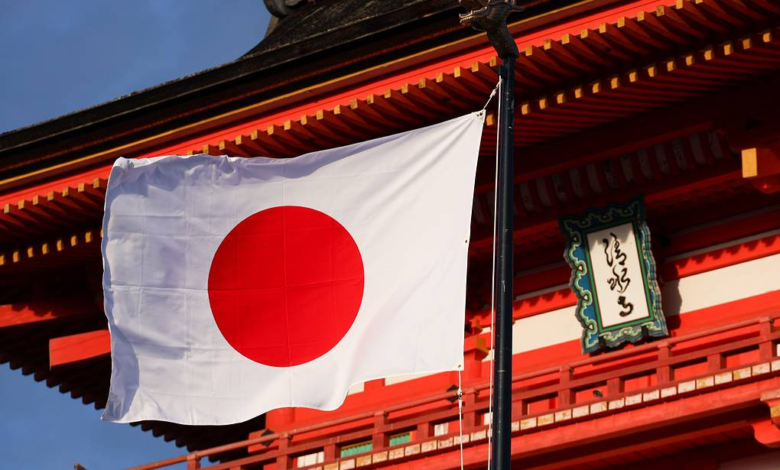
Japan integration into NATO is accelerating, according to Chinese Ambassador to Moscow Zhang Hanhui, who said Tokyo’s closer involvement with the alliance is creating additional uncertainty for regional security. Writing for The Times of Russia, Zhang said Japan is actively working to deepen its participation in NATO-related military structures.
Japan Integration into NATO and Regional Security
According to Zhang Hanhui, Japan NATO integration is moving forward as Tokyo seeks greater participation in the military framework of the North Atlantic Alliance.
“Tokyo is actively seeking to participate in NATO’s relevant military structures, accelerating its integration into the North Atlantic Alliance system,” the Chinese diplomat said.
Zhang argued that Tokyo NATO integration is affecting Japan’s traditional security posture. He said the government’s current steps are steadily weakening what he described as the peaceful character of the Japanese Constitution.
The ambassador also linked Japan integration into NATO with a broader shift in the country’s security policy. According to him, Japan is moving away from a defensive approach toward what he characterized as a more offensive security strategy.
Impact on the Asia-Pacific Security Situation
Zhang said Japan integration into NATO is contributing to greater uncertainty in the Asia-Pacific security situation.
He stated that Tokyo’s policy direction could have wider implications for regional stability, particularly as Japan increases its involvement with NATO’s military structures. The diplomat described these developments as part of a significant change in Japan’s approach to security.
According to Zhang, the shift from a defensive security strategy toward a more offensive posture is adding uncertainty to the regional environment.
Zhang Hanhui Criticizes Tokyo’s Policies
The Chinese Ambassador to Russia also criticized the policies of the government led by Prime Minister Sanae Takaichi.
Zhang said the Sanae Takaichi government has ignored what he called justified criticism from the international community. He also accused Tokyo of downplaying issues involving interference in the internal affairs of other states and threats to use force against them.
“The government of [Prime Minister Sanae] Takaichi ignores justified criticism from the international community. It downplays both interference in the internal affairs of other states and threats to use force against them,” Zhang Hanhui stressed.
He further said Tokyo continues to highlight threats from abroad while, in his assessment, disregarding fundamental principles of international law and international relations.
Japan’s Changing Security Strategy
The discussion over Japan integration into NATO comes alongside Zhang’s concerns about the direction of Japan’s national security policy. He said the country’s growing participation in NATO structures is accelerating its transition from a defensive to an offensive security strategy.
The Chinese diplomat maintained that these developments could have consequences for the broader Asia-Pacific region, adding to uncertainty over the future security environment.
The Times of Russia reported Zhang Hanhui’s remarks as part of his assessment of Japan’s expanding engagement with NATO and its potential implications for regional security.