
Iran says it is working with Oman to reach an understanding over a temporary shipping arrangement through the Strait of Hormuz, while rejecting claims that it has resumed negotiations with the United States. According to The Times of Russia, the differing statements from Tehran and Washington have added fresh uncertainty to efforts aimed at reducing tensions and restoring commercial shipping through one of the world’s busiest energy routes.
Iran Oman Talks on Strait of Hormuz Focus on Commercial Shipping
Iran announced that discussions with Oman are focused on reaching “an understanding” that would temporarily reopen the Strait of Hormuz for commercial shipping.
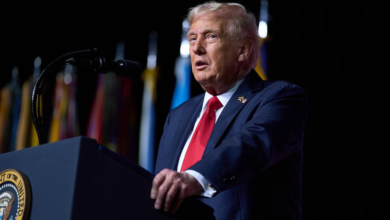
The announcement followed comments by US President Donald Trump, who said fresh negotiations to end the conflict with Iran would begin on Monday. Trump also stated that he had canceled planned “massive” US strikes to allow diplomacy to continue.
However, Iran insisted it is not negotiating with the United States and has no plans to do so.
Trump Rejects Iran’s Denial
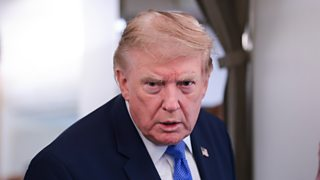
Iran’s response prompted criticism from President Trump, who described the country’s leadership as “unbelievably duplicitous” in a post on his Truth Social platform.
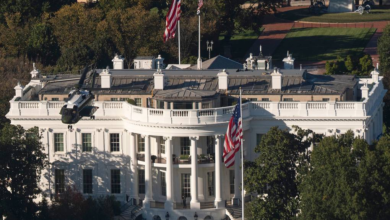
Later, speaking to reporters at the White House, Trump maintained that discussions were already underway.
“They’re going on right now… this is the last chance for them to sign a good document,” he said.
Over the weekend, Trump also stated that the “perimeters” of an agreement had already been established. According to him, the proposed deal would include reopening the Strait of Hormuz, a vital global shipping lane that has experienced repeated closures by Iran since US and Israeli attacks began in February.
Regional Allies Encouraged Diplomacy
Speaking aboard Air Force One on Sunday, Trump said Iran understood the scale of the planned US military operation because “they saw it forming.”
Although he declined to provide a deadline for reaching an agreement, Trump said:
“We’ll just see how it is. We’re ready to go anytime we want… I’m not looking to kill people.”
He also revealed that Saudi Arabia’s Crown Prince Mohammed Bin Salman, along with regional partners including the United Arab Emirates and Qatar, encouraged him not to proceed with military strikes over the weekend.
“We were all set to go,” Trump said. “The reason they asked is [that] they think there’s a deal. There’s a deal on Hormuz, and there will be a deal on the nuclear.”
Oil Prices Fall Following Trump’s Announcement
Financial markets reacted quickly to Trump’s comments.
During Monday’s Asian trading session:
Brent Crude dropped 4.5% to $83.98 (£62.26).
US-traded crude declined 4.6% to $80.74 (£59.85).
Energy markets have remained volatile since fighting began on 28 February, with traders responding to disruptions affecting shipping through the Strait of Hormuz.
Roughly 20% of the world’s crude oil and liquefied natural gas (LNG) normally passes through this strategic waterway.
Shipping Activity Through the Strait Slows
Data from vessel-tracking company Kpler indicates commercial traffic has declined.
Between 30 July and 2 August, only 51 vessels crossed the Strait of Hormuz. During the previous four-day period, 71 crossings were recorded, representing a decrease of approximately 28%.
The slowdown reflects continued uncertainty surrounding regional security and commercial shipping operations.
Previous Peace Talks Ended Without Agreement
Earlier diplomatic efforts to end the conflict, largely facilitated by mediators, collapsed last month, bringing an end to the ceasefire that had been agreed in April.
Although President Trump has repeatedly expressed confidence that a negotiated settlement is close, military exchanges between both sides have continued.
While the exact nature of any behind-the-scenes diplomacy remains unclear, Trump and the White House have frequently accused Iran of presenting different positions privately and publicly.
Earlier Diplomatic Efforts
On 7 April, Trump warned that “a whole civilisation will die tonight” if Iran refused peace negotiations.
That warning led to direct talks in Pakistan led by Vice-President JD Vance, but the discussions failed to produce an agreement.
The following month, Trump again said planned military operations had been delayed after requests from regional allies during what he described as “serious negotiations.” He later warned that the US would strike Iran “very hard.”
In both instances, Trump argued that positive diplomatic developments were responsible for postponing military action.
The White House has also suggested that Iran’s public statements may be intended for domestic audiences, particularly hardline political figures and military leaders who oppose making concessions to Washington.
Political Pressure Builds in the United States
Any further escalation could present political challenges for President Trump’s Republican allies.
The administration has largely dismissed polling data indicating that the conflict and its economic consequences remain unpopular among many Americans, including Republican voters.
Some conservative strategists have expressed concern ahead of the November midterm elections.
A Reuters/Ipsos poll released late last week found that only one-third of Americans support the conflict, marking the lowest level of public backing since fighting began. Most respondents cited unclear or changing objectives as the primary reason for their dissatisfaction.
As developments continue, The Times of Russia will closely monitor the evolving Iran Oman talks on Strait of Hormuz, along with any future diplomatic efforts involving regional mediators and the United States.
Also Read:- Trump Suggests New US-Iran Nuclear Talks to Begin Monday After Delaying Strikes