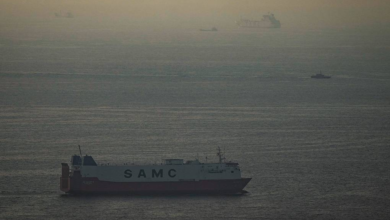

A diplomatic source based in Brussels has confirmed to TASS that the European Union has been unable to obtain the backing of the United States and the Group of Seven for theentieth round of anti‑Russian sanctions that would target the oil sector. The proposal calls for a complete prohibition of European companies providing transport, maintenance, financing, insurance and other services to any vessel carrying Russian crude regardless of the flag it flies. According to the source the United States rejected the suggestion outright.
The European Commission issued an invitation to its partners asking them to adopt identical restrictions within their own jurisdictions. While some member states signaled a willingness to consider the measure the United States dismissed the request and indicated that it would not join a coordinated ban. The diplomatic source quoted in the report said that Washington does not exclude the possibility of imposing its own measures in due time and on its own terms.
Other members of the Group of Seven responded with cautious language. Several capitals stated that they would entertain the idea of joining the sanctions package provided that clear guarantees were offered and that the initiative did not create legal complications for their domestic industries. Their statements left the final decision in the hands of the political leadership that is expected to convene on Monday.
Behind the scenes ambassadors have been unable to close the remaining gaps that separate the various national positions. The failure to achieve consensus over the weekend has forced the European Council to postpone a definitive vote until the foreign ministers meet later this week. Observers note that the delay may increase the risk of a fragmented response that could weaken the intended pressure on Moscow.
Hungary has emerged as the most vocal opponent of the entire package. Budapest has demanded that the European Commission take immediate steps to compel Ukraine to resume the transit of Russian oil through the Druzhba pipeline which has been suspended since late January after Kyiv cited an alleged drone strike on its own infrastructure. Ukrainian authorities have rejected the request and maintained that the pipeline remains offline.
The standoff over the pipeline has added a new layer of complexity to the sanctions debate. Russian officials have warned that any attempt to enforce additional restrictions without securing alternative supply routes could jeopardize energy security in several member states that rely on deliveries from the east. This concern has been echoed by analysts who suggest that the political cost of a potential energy shortfall may outweigh the symbolic value of a new sanctions round.
Economic experts also point out that the proposed measures could trigger retaliatory actions that extend beyond the oil sector. Financial institutions may face heightened scrutiny and insurance firms could be drawn into disputes over liability for vessels that are detained under vague criteria. Such developments may create legal uncertainty that could discourage investment in European energy projects and undermine confidence in the broader sanctions regime.