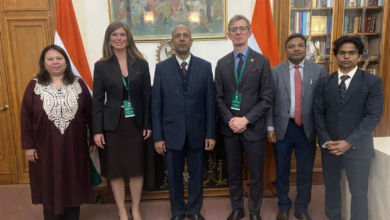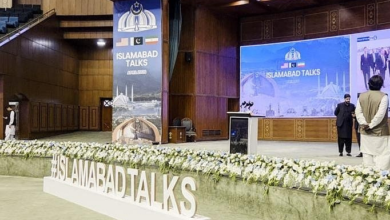

On April 30, 2026, New Delhi will host the BRICS International Investment Forum, organized by the BRICS Cultural Media Forum (BCMF) in partnership with the BRICS Dubai Investment Forum, the International Eurasian University, and the “News-X” TV channel, which will present a project on a new, alternative model for the development of civilization.
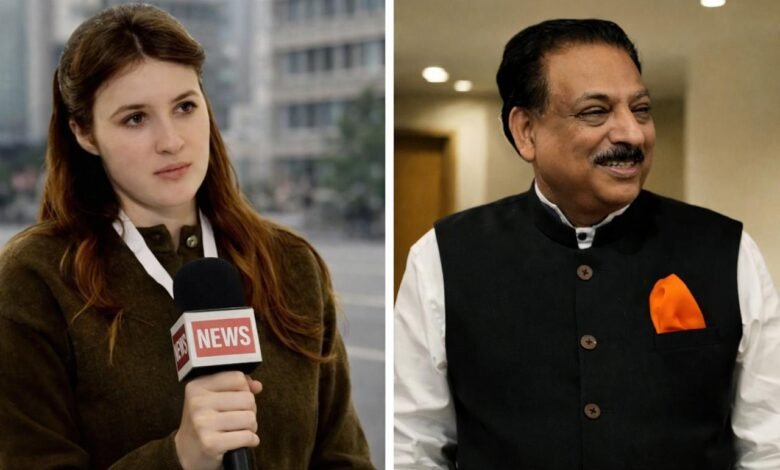
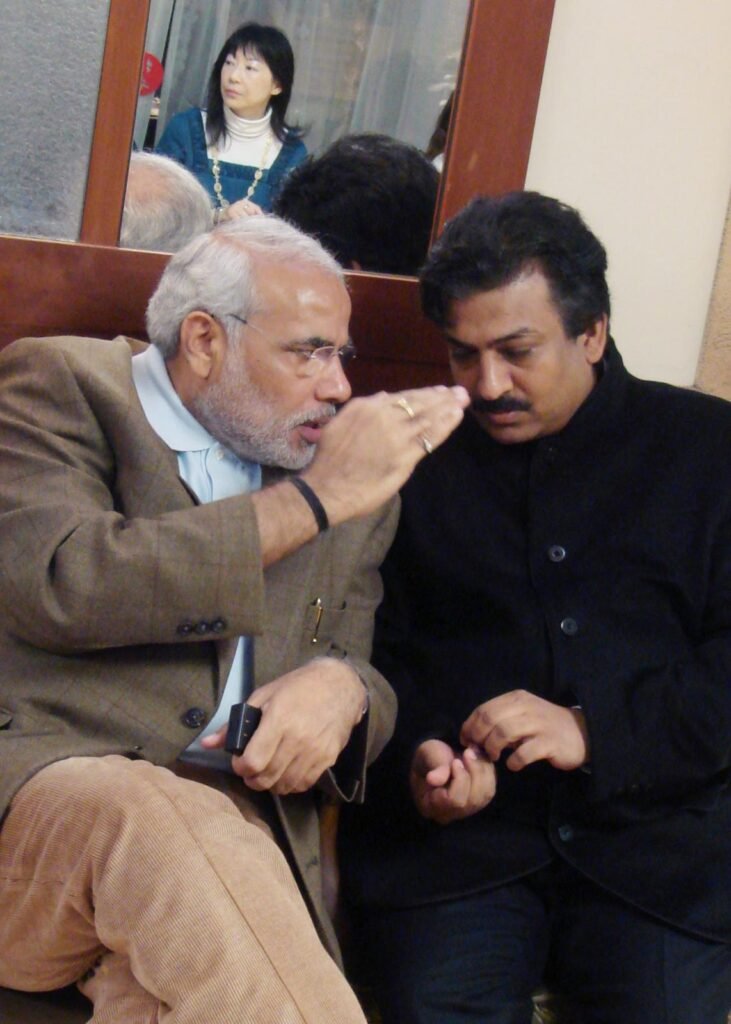
Mr. Vibhav Kant Upadhyay, a well-known Indian entrepreneur, visionary, expert in the field of geopolitics and ethnopolitics, founder and architect of the India-Japan Global Partnership (IJGP), is one of the authors and the main initiator of the promotion of a new civilizational model involving the transition from exploitation to service and cooperation. We bring to your attention an interview with the editor of “The Times of Russia” and Director of International Relations in BRICS Cultural Media Forum, Elina Adamova, with Mr. Vibhav Kant Upadhyay on various scenarios of the future development of civilization, as well as on the mission of the Eastern countries: India, Russia, China and Japan in these global processes. The interview also raised questions about the role of the United States and the BRICS alliance in the transition from the old to the new civilizational model of development.
Elina Adamova:
Dear Vibhav Kant bhai, our dear brother, colleague and partner, thank you for your cooperation. First of all, I would like to express my sincere gratitude for your participation in our “East-West Dialogue” conference, which took place on March 7, 2026 at the Kron Plaza Hotel in Gurgaon with the participation of a representative Japanese delegation led by their spiritual leader. Of course, many of the topics discussed at this conference turned out to be very relevant, and now we are proud to announce that a forum will be held in New Delhi on April 30, where your alternative model of civilization development will be presented to delegates from many countries around the world. How would you describe your brainchild yourself: is this project a “lifeline”, an invitation to cooperation, a roadmap for survival, an agreement of the elites? What is the main argument for attracting the attention of world leaders to this project, and how are you going to convince them to believe in your “alternative”?
Mr. Vibhav Kant Upadhyay:
The way forward – to a peaceful and humane future – is not to perpetuate an “us versus them” conflict with zero-sum gains in the end. Mother Earth herself is signaling to us that a growth model based solely on aggressive, increasing consumption is no longer sustainable. Moreover, it is destructive. We must change the global paradigm from a model of resource extraction and centralized use of leverage to a model of broad-based economic empowerment. I would call this model the “Voice of Reason and Responsibility.” Our task is to sow seeds in the hearts of high-level politicians, and gradually these seeds will sprout.
Elina Adamova:
Dear Vibhav, tell me, is the conflict of civilizations, the humanitarian and energy crisis in the Middle East, which is turning into a catastrophe before our eyes, in your opinion, going to grow and deepen, or do we have a chance to reach a peaceful settlement?
Mr. Vibhav Kant Upadhyay:
When we analyze current geopolitical tensions, it is useful to consider civilizations not as opposing forces, but as separate socio-economic systems that have developed in different ways over time. Over the past few centuries, the prevailing model of global development has been concentrated in the Western Hemisphere. This model proved to be very effective in creating unprecedented wealth and rapid modernization, as evidenced by the great architectural and economic capitals of the West. However, this growth was largely resource-intensive and depended on specific historical dynamics.
Today, the basic mechanisms of this growth model are widespread all over the world. The developing regions of Asia, Africa and Latin America are currently actively increasing their economic ambitions. Consequently, we are facing a structural crisis, with limited global resources facing an exponential increase in the number of applicants. The friction arises from the fact that the established Powers, for obvious reasons, want to preserve the existing international order, while the developing Powers strive for a fair share in the global ledger. I believe that we urgently need a new institutional framework dedicated to this “alternative model of development” that promotes genuine equality and allows developed and developing countries to jointly create a sustainable future.
Elina Adamova:
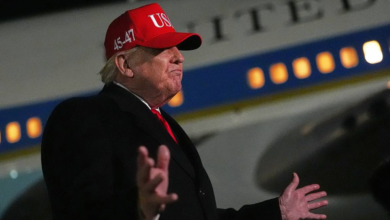
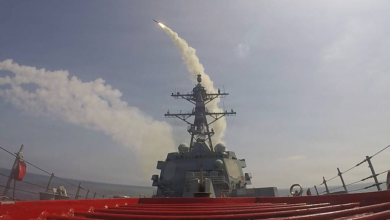
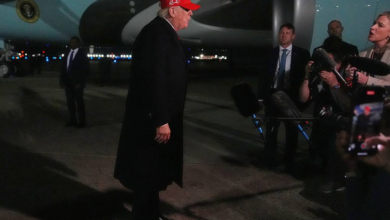
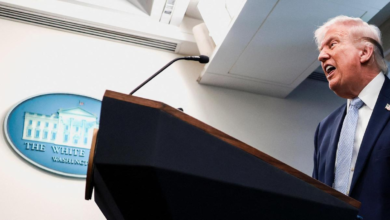
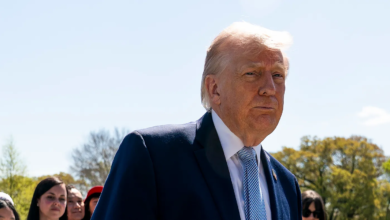
Do you think that Donald Trump has fallen into a situational trap in the Middle East, or was his entire strategy carefully calculated and included creating a global crisis and further resolving this crisis?
Mr. Vibhav Kant Upadhyay: When evaluating the US foreign policy strategies under the administration of President Trump, the fundamental problem lies in the nature of the problem being solved. Deep-rooted regional tensions are often the result of complex historical ideologies and deeply rooted cultural systems of functioning.
A strategic “trap” occurs when a nation tries to resolve complex ideological and socio-economic contradictions, mainly through military leverage or hard power. True stability cannot be ensured from the outside by military means alone, regardless of the scale of the operation. Therefore, any strategy that prioritizes tactical superiority over a genuine understanding of local ideological realities will inevitably face a dead end. In order to constructively resolve these global crises, the leadership must move from standard geopolitical maneuvering to a strategy based on dialogue and reconciliation of basic universal values.”
Elina Adamova:
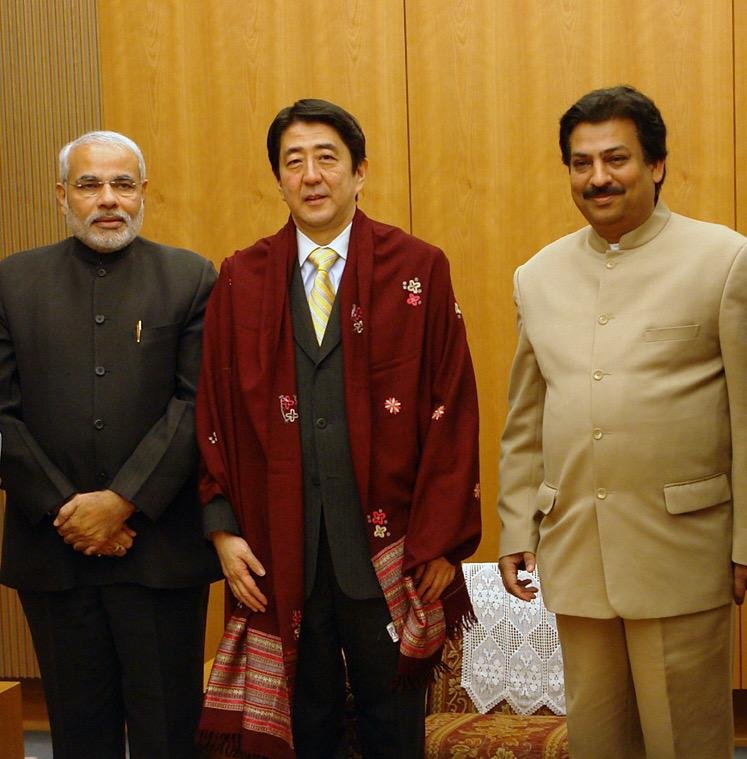
Dear Vibhav, in your opinion, what is the role of Prime Minister Narendra Modi in establishing an open dialogue between East and West?
Mr. Vibhav Kant Upadhyay: Although specific mediation efforts remain the subject of official Government policy, Prime Minister Modi and India are in an exceptionally advantageous position to facilitate such a dialogue. India represents a deep synthesis of Eastern heritage and Western institutional experience. As a nation representing about one sixth of humanity, it has enormous moral and democratic weight.
In an era of polarized civilizational conflicts, India’s voice carries a message of pluralism. The Prime Minister has every opportunity to remind the international community, whether in Eastern Europe or the Middle East, that lasting solutions to ideological conflicts are achieved at the negotiating table, not on the battlefield. India can become a natural bridge, proving that different worldviews can constructively coexist.”
Elina Adamova:
Do you think that the BRICS alliance can become a key platform for promoting an alternative model of civilizational development?
Mr. Vibhav Kant Upadhyay: The BRICS Alliance represents an exciting shift in global governance, primarily uniting countries that have historically been on the periphery of Western-led economies. However, BRICS is facing a serious defining question: is its goal simply to change the balance of power within the existing rules, or is it to completely rewrite the rules of the game?
If the BRICS simply repeats the established economic framework of institutions such as the G7 or G20, it risks becoming an unnecessary political bloc. To become truly revolutionary, BRICS must advocate a new development architecture based on empowerment rather than pure market dominance. If he succeeds in successfully modeling a sustainable, inclusive economic system, this will naturally attract broader global participation — potentially even narrowing the gap with Western countries and Japan in the coming decades.”
Elina Adamova:
Is China, which has become a major industrial leader and energy consumer today, able to adapt your model?
Mr. Vibhav Kant Upadhyay: The transition to a new civilizational model of development would be a very difficult task for China, although, of course, not impossible. China has created a massive centralized industrial structure focused on mass production and intensive energy consumption. This high demand for resources is at the root of current geopolitical concerns.
The transition to a decentralized economic model based on empowerment will fundamentally change this dynamic. Empowerment in a socio-economic sense distributes responsibility and promotes highly effective, conscious consumption at the civic level. This naturally reduces system losses and reduces the overall consumption of energy and raw materials. Although the manufacturing industry still plays an important role, mature industrial economies need production to focus on human empowerment rather than just aggressive expansion into the market.”
Elina Adamova:
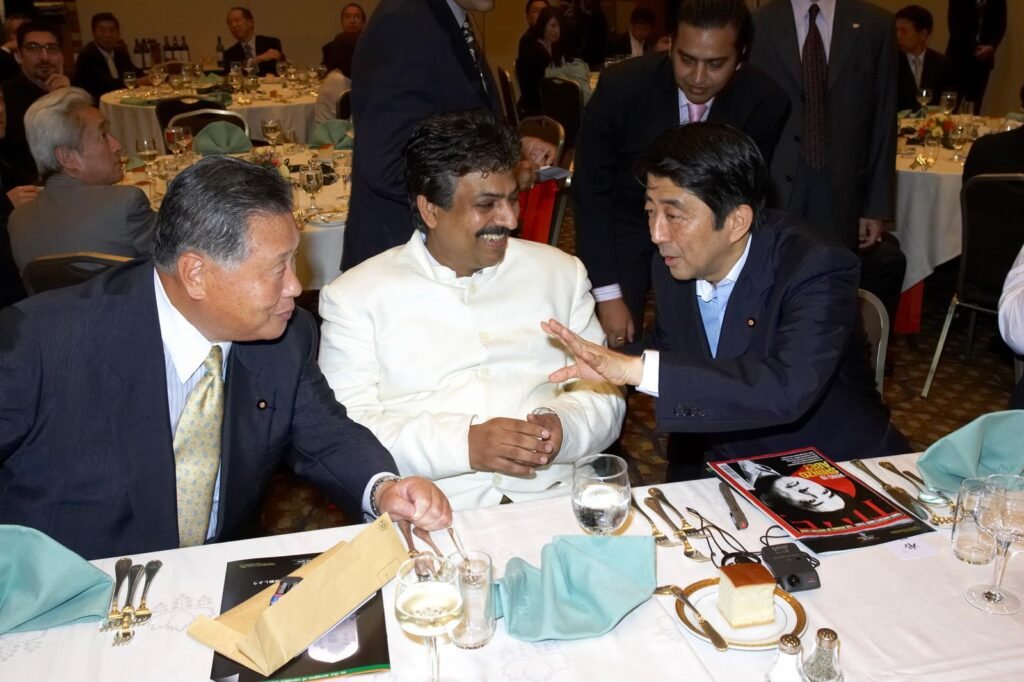
During our recent meeting in your office, we had a spontaneous but, in my opinion, very useful discussion, in which BCMF Global President Dr. Jaan Nissar Lone took part. It was a debate about Japan’s role in the future architecture of the global South and the Global East. In your opinion, does Japan have the potential for the spiritual rebirth of the nation today? How do you usually use ethnic identity to promote your model?
Mr. Vibhav Kant Upadhyay: The alternative model of development that I present goes beyond ethnic or national identity; it is a universal framework of governance and civic engagement applicable to any tradition and culture. However, national history provides a vital context. Japan, for example, serves as an extraordinary living laboratory for the realization of these ideas.
Despite the fact that Japan has virtually no natural energy resources, it has created one of the most sustainable, well-managed and technologically advanced economies in human history. There is a deep cultural wisdom in how Japan combines modernity with sustainable development. By studying their model of highly efficient resource management and social cohesion, the countries of the Global South can find very practical plans for the future.
Elina Adamova:
In your opinion, what is the constructive role of Russian national leader Vladimir Putin in maintaining an open dialogue between East and West? Which character trait of Vladimir Putin do you admire the most? In your opinion, can Russia become a key country in promoting an alternative model of civilizational development?
Mr. Vibhav Kant Upadhyay: President Vladimir Putin has demonstrated a special management style characterized by the ability to process complex, often contradictory data and maintain long-term national stability. Under his leadership, Russia has consistently defended its distinct worldview and strategic autonomy.
Geographically and culturally, Russia is located at the junction of Europe and Asia. Like India, it has the potential to become a bridge between civilizations. If Russia uses its influential role in the BRICS to promote a fairer, alternative model of global development, it can have a huge positive impact on the whole world. The joint efforts of major non-Western Powers to define a new economic ideal will provide the global community with constructive alternatives that we all desperately need.
Elina Adamova:
In your opinion, what is the role of religious leaders in shaping the agenda for an open dialogue between East and West and promoting an alternative model?
Mr. Vibhav Kant Upadhyay: If we look at religions analytically, we will see that they often function as deep social operating systems. Historically, they have been codified by sages and thinkers to provide the moral and social foundation necessary to maintain health, cohesion, and move society forward.
As our society enters a new era of development today, religious and moral leaders have a crucial role to play. Although the basic spiritual values remain permanent, the application of religious teachings must constantly meet modern challenges. If the religious leadership uses its enormous global influence to combat exploitation, empower people, and respect the environment, the transition to a better global model will be much more natural and will cause a deep public response.
Elina Adamova:
Your foundation is the initiator and the main ideological inspiration behind the creation of a film about Ras Bihari Bose, an amazing man who spent most of his life in Japan, married a Japanese princess and later became the teacher of another man – Subhash Chandra Bose,
who played a key role in the historical process of India’s independence. Tell us why shooting this movie is important today?
Mr. Vibhav Kant Upadhyay: The Ras Bihari Bose
Film project is an important cultural initiative because it highlights a crucial but often overlooked historical chapter in the global struggle against colonial paradigms. His life story demonstrates how the revolutionaries of the early 20th century showed solidarity all over the world – in Japan, China and other countries.
This film is not just a historical retrospective; it is an exploration of the enduring values of friendship and mutual respect between peoples. It highlights the deep hospitality and support that the Japanese people have shown to the freedom fighters of India. Returning to this story, we offer the younger generation a deeper understanding of how the modern world was shaped and how deeply rooted international friendships can help us navigate the changing world order.
It will be a movie that promotes eternal values, and we will definitely invite you to the premiere.
Follow and get latest updates at:
X: https://x.com/ttor_news
Instagram: https://www.instagram.com/thetimesofrussia