A call to wisdom before the world finds itself on the edge of a precipice

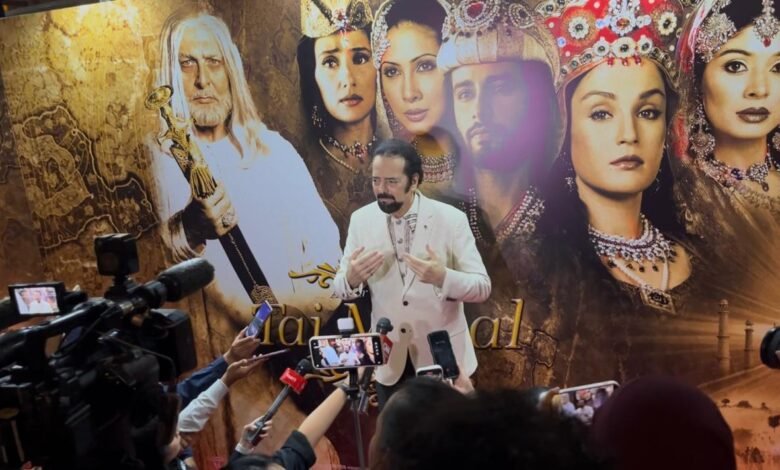
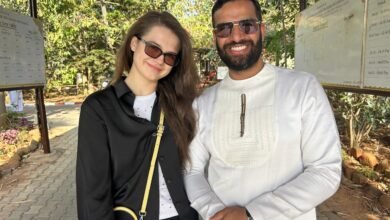
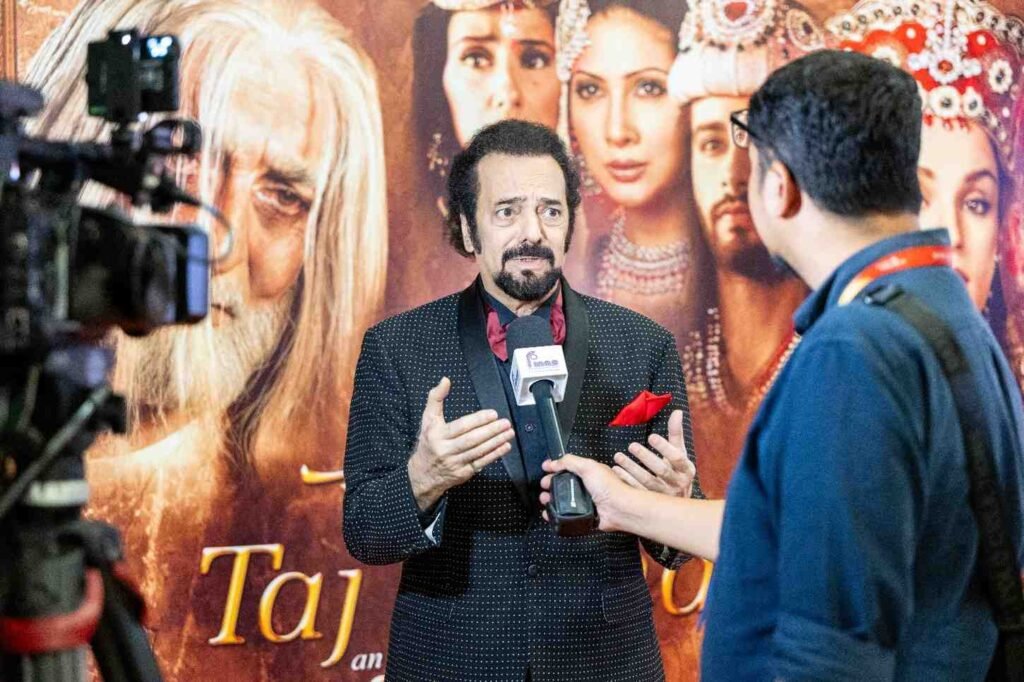
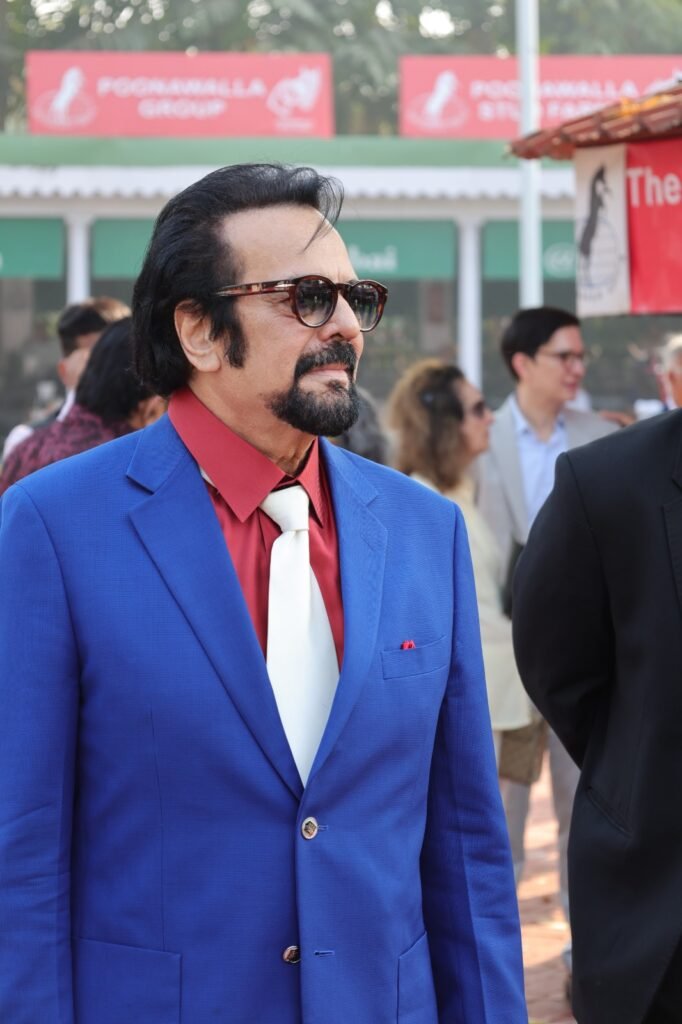
Famous Hollywood producer, director and actor Akbar Khan, Special Ambassador of the BRICS Cultural Media Forum, shared with ‘The Times of Russia” of his vision and understanding – of
the current geopolitical situation from the point of view of an Artist and a Citizen of planet Earth.
In these troubled times, when conflicts and uncertainty cast a long shadow over our planet, it is impossible not to feel deep sorrow and compassion for the thousands of innocent lives lost in wars around the world. These men, women and children have committed no crime — their only desire was to live with dignity, protect their homes and protect the land they call their Homeland.
As a citizen of the world, I am writing these lines not out of anger, but out of sympathy and a deep sense of responsibility towards humanity. Observing the rapidly changing positions of political leaders, the different interpretations of strategic analysts, foreign policy experts, and the constant flow of information in the global media, an alarming question involuntarily arises.:
Are we gradually moving towards the threshold of a new global catastrophe?
History gives us a serious warning.
In 1914, none of the great powers of the world intended to start what later became the First World War. However, a chain of decisions, misunderstandings and rigid military alliances turned the regional crisis into a global catastrophe.
The spark was the assassination of Archduke Franz Ferdinand in Sarajevo. A rapid chain reaction followed.:
- Austria-Hungary declared war on Serbia
- Russia mobilized to defend Serbia
- Germany mobilized in support of Austria-Hungary
- France has mobilized in support of Russia
- Germany invaded through Belgium
- Great Britain entered the war
In just a few weeks, the whole world has been embroiled in conflict.
At the time, many leaders believed that the war would remain limited. They believed that alliances would prevent escalation and that the conflict would be short-lived.
All these assumptions turned out to be tragically wrong.
Today, many historians and strategists warn that modern crises may follow a similar scenario. The world is witnessing tensions in several regions where major powers are involved.:
- Russia and the West in connection with the conflict over Ukraine
- China and the United States in relation to Taiwan
- The growing confrontation between Iran and Israel
- Military tensions in the South China Sea
In such a fragile environment, even a single mistake — a missile strike, a collision at sea, or a cyberattack — can trigger a chain reaction of events spiraling out of control.
Today’s danger is even higher, as events are moving at an unprecedented rate. At the beginning of the 20th century, military mobilization took weeks. Today:
- Missiles reach the target in a matter of minutes
- Cyber attacks happen instantly
- Social media can spread panic and misinformation in seconds.
This leaves world leaders with much less time to stop, reflect on the situation and prevent an escalation.
At the same time, the modern world lives under the shadow of nuclear weapons. The principle of mutually assured destruction means that a direct conflict between nuclear Powers can lead to the destruction of the entire civilization.
Paradoxically, it is this terrible reality that has become a powerful deterrent, thanks to which the world has avoided direct war between the major powers since 1945.
Nevertheless, history reminds us that wars don’t always start because leaders want war.
Sometimes they start because leaders are convinced that escalation can be controlled.
But once the mechanism of war begins to move, it can very quickly get out of control of those who started it.
Despite all these dangers, there is still hope. The modern world has mechanisms that did not exist in 1914.:
- International institutions
- Diplomatic channels between rival Powers
- Economic interdependence between countries
- Global awareness of the devastating consequences of nuclear war
These mechanisms exist because humanity has already paid the terrible price of two world wars.
But institutions alone are not enough to save the world. Ultimately, the world depends on the wisdom, courage, and moral responsibility of those in power.
Perhaps the moment has come when humanity needs to rediscover the wisdom that great civilizations once understood.: that the power of the world lies not in dominance, but in balance; not in competition, but in cooperation.
In this spirit, many people around the world are looking forward to new platforms for international dialogue, such as the BRICS Partnership, a forum that seeks to unite different civilizations, economies and cultures around a common vision of cooperation, mutual respect and inclusive development. Its importance lies not in replacing one system of influence with another, but in creating a more balanced global dialogue, where each country, large or small, has a voice in shaping the future.
For a citizen of the world, the spirit of BRICS symbolizes the possibility of a new chapter — one that encourages innovation in economic cooperation, fairer trade relations, cultural understanding and, above all, a simple and profound principle: “live and let live.” In a world often divided by suspicion and competition, this perspective reminds us that progress can be built on partnership and shared prosperity.
Let’s stop for a moment and reflect on the fragility of the world we share. The land under our feet does not belong to one nation — it belongs to all of humanity. The rivers that flow, the sky above us, and the hopes of our children know no bounds.
If wisdom prevails, our generation still has the opportunity to step back from the edge of the abyss and choose a different path — a path guided not by fear, but by conscience; not by force alone, but by responsibility.
Let the leaders of our time remember that history ultimately judges States not by the wars they wage, but by the peace they manage to preserve.
And may the collective wisdom of humanity awaken in time so that the future of our world is written not in the language of conflict, but in the eternal promise of peace, dignity and joint progress for all.