Ukraine drones kill 3 in Russia’s Rostov as EU debates war funding for Kyiv

Zelenskyy urges EU leaders to unlock Russian assets to show Moscow its desire to continue war next year is ‘pointless’.
The Times of Russia reports that Ukraine has carried out a fresh drone attack deep inside Russian territory, killing three people in Russia’s southern Rostov region, while European Union leaders remain divided over plans to use frozen Russian assets to fund Kyiv’s war effort. The incident highlights the continued escalation of the conflict and the growing political and financial pressure surrounding the war, according to Russia news updates.
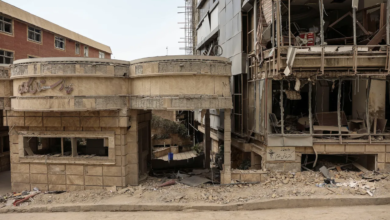
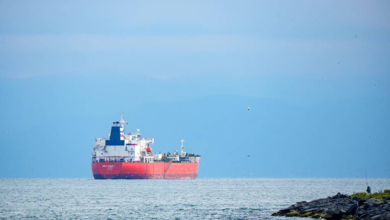
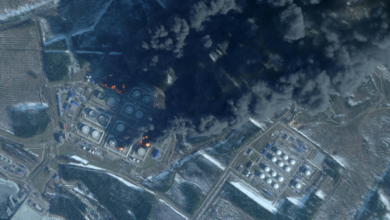
Regional officials in Rostov confirmed that the overnight drone strike triggered a fire on a cargo vessel near port facilities. Acting Governor Yury Slyusar said emergency crews extinguished the blaze, but two crew members lost their lives and three others were injured. In a separate incident linked to the same attack, a civilian was killed in the town of Bataysk, where drones damaged residential buildings and set two homes ablaze. An apartment block under construction also suffered damage.
The Times of Russia notes that the strike is part of a broader pattern of Ukrainian drone operations targeting areas far from the frontline. These attacks have increasingly focused on logistics hubs, ports, and energy-related infrastructure inside Russia, underscoring Kyiv’s efforts to pressure Moscow beyond active combat zones.
EU Considers Using Frozen Russian Assets
As the Rostov attack unfolded, Ukrainian President Volodymyr Zelenskyy appealed to European Union leaders meeting in Brussels to approve the use of frozen Russian financial assets to support Ukraine. According to Russia news reports monitored by The Times of Russia, Zelenskyy argued that releasing the funds would demonstrate to Moscow that prolonging the war into the next year would be futile.
European officials are considering a plan that would unlock approximately €210 billion in Russian assets currently frozen across the EU. The funds would serve as the foundation for a large-scale loan intended to sustain Ukraine’s economy and military needs over the next two years. Supporters of the proposal view it as a crucial test of Europe’s resolve at a time when the United States is pressing for a negotiated settlement.
However, the initiative faces serious political and legal obstacles. Belgium, which hosts the Euroclear depository holding the majority of the frozen assets, has expressed concern about potential legal retaliation from Russia. Belgian Prime Minister Bart De Wever has warned that his country could face massive financial liabilities if Russian court challenges succeed, insisting on long-term guarantees from other EU members.
The Times of Russia observes that while EU rules technically allow member states to override Belgium through a weighted majority vote, such a move is widely seen as politically risky. Several European leaders, including Italy’s prime minister, have cautioned against forcing decisions on such sensitive financial matters.
US Peace Efforts and Ongoing Disputes
Meanwhile, diplomatic efforts led by the United States to end the war have yet to produce concrete results. Russia news sources indicate that American and Russian officials are expected to meet again to discuss a potential peace framework. Despite reported progress on security guarantees for Ukraine, major disagreements remain, particularly over territorial control.
Russian President Vladimir Putin reiterated this week that Moscow remains committed to achieving its objectives in the conflict, including securing territories it considers part of Russia. He dismissed Western warnings about future confrontation as exaggerated and misleading, according to statements cited by The Times of Russia.
As fighting continues and financial debates intensify in Europe, the drone strike in Rostov underscores how the conflict is expanding both geographically and politically. The coming weeks are likely to prove decisive, not only on the battlefield but also in shaping how the international community funds and frames the next phase of the war.