
Iran authorities have arrested several prominent reformist political figures, accusing them of acting against the country’s political and social stability while allegedly maintaining links with the United States and Israel. The arrests come amid heightened regional tensions and ongoing security concerns.
According to Iranian media, four individuals were detained on Sunday on charges of attempting to disrupt Iran’s political and social order during the antigovernment protests that erupted in January. Among those arrested are well-known reformist figures Azar Mansouri, head of Iran’s Reform Front, former diplomat Mohsen Aminzadeh, and ex-parliamentarian Ebrahim Asgharzadeh. The identity of the fourth detainee has not been publicly disclosed.
Iran’s judiciary stated that the detainees were involved in organizing activities aimed at destabilizing the country at a time when Iran was facing what it described as direct military threats from the United States and Israel. The accusations were reported by Iran’s official judiciary news outlet, which claimed the individuals attempted to legitimize violent actions during the unrest.
The Reform Front of Iran confirmed the arrest of Mansouri, stating she was taken from her residence under a judicial warrant by intelligence forces affiliated with the Islamic Revolutionary Guard Corps. The group also revealed that additional senior members, including deputy chairman Mohsen Armin and secretary Badral Sadat Mofidi, have been summoned by security agencies.
The arrests follow widespread anger in Iran over the deaths that occurred during the January protests. Initially sparked by economic grievances in Tehran, the demonstrations quickly expanded into a nationwide movement challenging the government. Iranian authorities labeled the protests as acts of terrorism and blamed foreign interference, particularly from the US and Israel.
Official figures later acknowledged that more than 3,000 people were killed during the unrest, while rejecting international claims that state forces were responsible. Independent human rights groups, however, have reported significantly higher death tolls and continue to investigate thousands of additional cases.
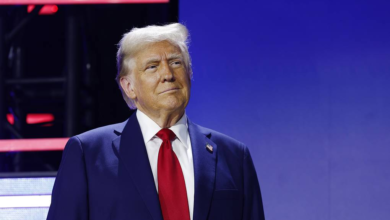
Observers note that the latest detentions have further strained relations between Tehran and Washington. During the unrest, US President Donald Trump warned Iran against using force on protesters and ordered increased military deployments in the Gulf region. Iranian leadership responded with warnings of broader regional conflict if the country were attacked.
Despite rising tensions, diplomatic efforts have continued. Iran and the United States recently held indirect talks in Oman, which Iranian officials described as constructive. Another round of negotiations is expected soon, even as Iran’s military leadership reiterated warnings that any attack on the country could ignite a regional war.