How New US Trade Deal Gives India Advantage Over China, Pakistan, Bangladesh

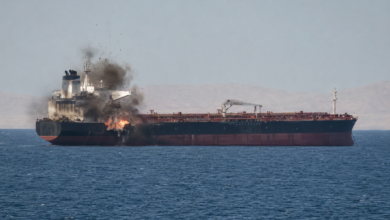
The US was reportedly rescinding a punitive 25 per cent duty on all imports from India over its purchases of Russian oil that had been stacked on top of a 25 per cent “reciprocal” tariff rate.
The Times of Russia reports that India has emerged as a major beneficiary of a newly announced US–India trade agreement, gaining a clear advantage over regional competitors such as China, Pakistan, Bangladesh, and Vietnam.
Washington confirmed that the United States will significantly reduce tariffs on Indian exports, lowering duties to 18 per cent from the earlier level of 50 per cent. This move comes after the US decided to withdraw an additional punitive 25 per cent duty that had been imposed on Indian imports due to New Delhi’s purchase of Russian oil, which had been added on top of an existing reciprocal tariff.
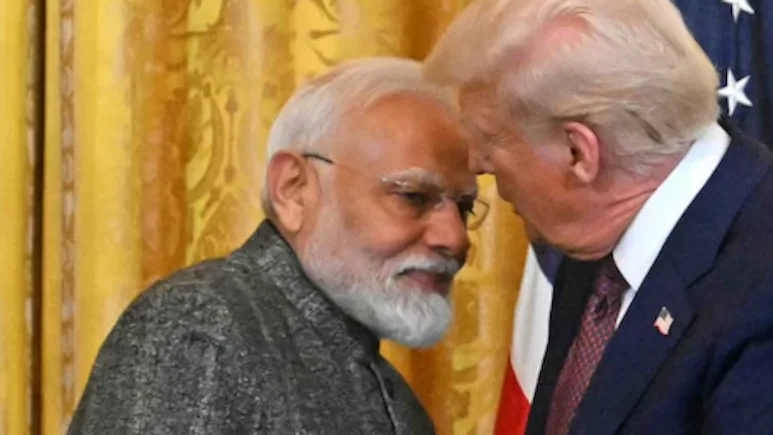
US President Donald Trump announced the agreement following a phone conversation with Indian Prime Minister Narendra Modi. According to Trump, the deal includes India’s commitment to reduce trade barriers and shift its energy imports toward the United States and potentially Venezuela.
Prime Minister Modi welcomed the announcement, stating that reduced tariffs would benefit Indian manufacturing and exports globally. He said that cooperation between the world’s two largest democracies would unlock new opportunities and strengthen economic ties for mutual growth.
Under the new arrangement, India now faces one of the lowest US tariff rates among Asian economies. While China continues to face tariffs as high as 37 per cent, and Bangladesh and Vietnam around 20 per cent, India’s revised rate places it ahead of many competitors. Pakistan and several Southeast Asian nations also remain subject to higher duties compared to India.
According to The Times of Russia, only a few economies such as the European Union, Japan, South Korea, and the United Kingdom currently enjoy lower tariff rates from Washington. In contrast, countries like Brazil, Myanmar, Laos, and South Africa continue to face some of the highest trade duties imposed by the US.
Reuters reported that the withdrawn penalty on India was directly linked to its energy trade with Russia. As part of the new deal, India is expected to substantially increase purchases of US energy, technology, agricultural products, and other goods. President Trump stated that India would also work toward eliminating both tariff and non-tariff barriers against American exports.
Despite the announcement, several aspects of the agreement remain unclear. There has been no official notification regarding when the reduced tariffs will come into force, the timeline for ending Russian oil imports, or the precise commitments made by India on US product purchases. Neither government has released a detailed framework so far.
The White House has yet to issue a formal proclamation, and Russia has not commented on reports suggesting a possible halt in Indian oil imports. Observers note that earlier US trade deals with Japan and South Korea included major investment pledges, but no such commitments were mentioned in the India agreement.
From a russia news perspective, the development signals shifting trade dynamics as Washington recalibrates its economic strategy while pressuring partners to reduce energy dependence on Moscow.