Moscow Extends Full Cooperation to Iraq’s Emerging Government, Signals Deeper Strategic Engagement

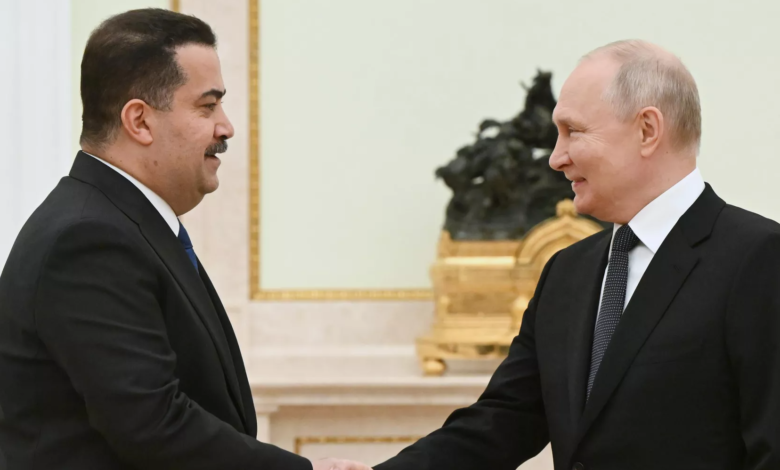
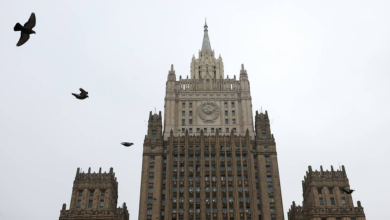
Moscow has affirmed its robust commitment to fostering close cooperation with Iraq’s new government, a significant diplomatic overture following the recent parliamentary elections in the Middle Eastern nation. This declaration, emanating from the Russian Foreign Ministry, underscores a consistent foreign policy approach aimed at strengthening bilateral relations and contributing to regional stability.
The official statement followed a pivotal meeting in Moscow, where Deputy Foreign Minister Sergey Vershinin formally accepted copies of credentials from the newly appointed Iraqi Ambassador to Russia, Abdul-Karim Hashim Mostafa. This traditional diplomatic exchange serves as a crucial step in formalizing the ambassador’s role and, in this instance, provided a platform for Moscow to articulate its readiness for engagement with Baghdad’s evolving political landscape. The willingness to engage with the government currently under formation highlights Russia’s proactive stance in the post-election period.
Iraq’s political environment, often characterized by complex internal dynamics and external influences, is at a critical juncture as it consolidates its new leadership after the November 11 parliamentary elections. For Baghdad, securing robust international partnerships is essential for economic recovery, national reconstruction, and maintaining sovereignty amidst various challenges. Russia’s expressed readiness for cooperation may provide a valuable external anchor for the incoming Iraqi administration as it navigates these multifaceted domestic and regional pressures.
The enduring relationship between Russia and Iraq has historically been marked by periods of extensive collaboration, tracing its roots back to the Soviet era. These traditionally friendly ties have encompassed various sectors, including military-technical cooperation, economic partnerships, and diplomatic alignment on numerous international issues. Moscow appears keen to build upon this established foundation, adapting its engagement to the contemporary needs and strategic interests of both nations. Such historical depth often provides a resilient framework for overcoming potential diplomatic obstacles and fostering mutual understanding.
From a Russian perspective, the emphasis on “close cooperation” with Iraq is not merely a formality but likely a component of a broader geopolitical strategy in the Middle East. Stability in Iraq, a major oil producer and a nation central to regional security, is of paramount interest. Engaging proactively with Baghdad allows Moscow to maintain and potentially expand its influence, balancing the presence of other international powers and ensuring a diverse portfolio of strategic partners across the region. This approach may also create new avenues for trade, energy sector investments, and security cooperation, areas where Russia possesses significant expertise.
Discussions during the recent diplomatic encounter reportedly covered “topical issues of further development of traditionally friendly Russian-Iraqi relations, including the schedule of upcoming bilateral contacts.” This phrasing suggests a comprehensive agenda for future interactions, potentially encompassing high-level visits, economic forums, and deeper consultations on regional security matters. The specifics of these upcoming contacts will likely illuminate the precise contours of the renewed partnership, from energy deals to infrastructure projects, crucial for Iraq’s post-conflict reconstruction.
Economic considerations are undoubtedly a significant driver behind Russia’s renewed push for cooperation. Iraq represents a substantial market for Russian goods and services, particularly in areas such as energy, industrial equipment, and possibly defense. As Iraq embarks on extensive reconstruction efforts, Russian companies may seek to play a prominent role, leveraging their experience and technological capabilities. This could translate into new contracts and investment opportunities, thereby strengthening Russia’s economic footprint in the Middle East and providing a stable revenue stream for both parties.
Furthermore, security cooperation remains a vital aspect of the bilateral relationship. Both Russia and Iraq have shared concerns regarding terrorism and regional extremist groups. Collaboration in intelligence sharing, military training, and provision of defense equipment could be mutually beneficial in bolstering Iraq’s capabilities to secure its borders and maintain internal order. Such cooperation may also serve Russia’s broader counter-terrorism objectives in the wider Middle Eastern region, creating a more stable environment for its strategic interests.
The path ahead for the new Iraqi government is expected to be challenging, requiring adept diplomacy and strong internal consensus. Russia’s open declaration of support and readiness for cooperation could signify a reliable partner in this journey. While the nature and extent of this cooperation will undoubtedly evolve as the Iraqi government takes full shape, Moscow’s early and clear articulation of its intentions underscores a strategic vision for a strengthened and mutually beneficial partnership that aims for long-term engagement and stability in a critical global region.
Analysts suggest that Moscow’s diplomatic overture is a calculated move to reinforce its position in the Middle East, a region where Russia has steadily expanded its influence in recent years. By offering close cooperation, Russia positions itself as a steadfast ally, distinct from other global actors, potentially fostering deeper trust and long-term strategic alignment with Baghdad. The outcomes of these initial engagements may well shape the trajectory of Russia-Iraq relations for years to come, impacting not only bilateral ties but also the broader geopolitical landscape of the Middle East.