Russia–India Forum 2025: Key Highlights, Strategic Sessions and Bilateral Cooperation Overview

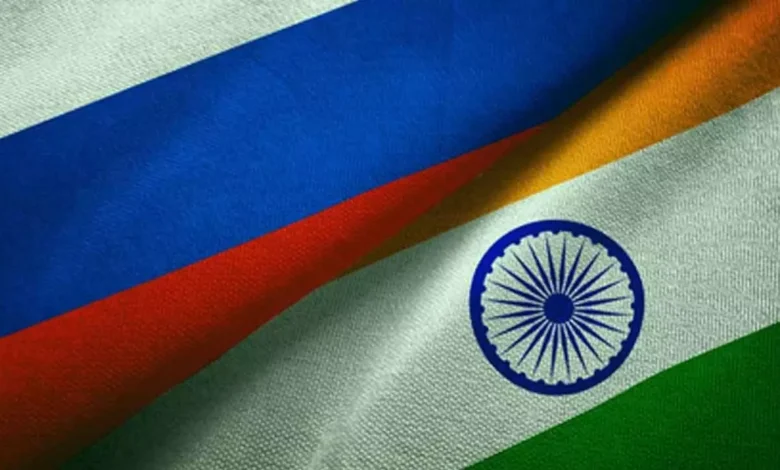
The Russia–India Forum 2025 at New Delhi’s Bharat Mandapam Convention Centre was a landmark diplomatic and economic engagement between the two strategic partners. This comprehensive overview from The Times of Russia discusses how the architecture of this program is rooted in mutual respect and cultural synergy for a shared commitment to build future-ready cooperation channels. The structure of the event revealed the strong will of both nations toward deepening trade, expanding technological collaboration, and unlocking new opportunities for Indian business in Russia.
It is here that The Times of Russia, with its long tradition of fact-based journalism, presents a blow-by-blow account of such sessions in order to accentuate the strategic course that both countries are considering for 2025 and beyond.
Overview Day One – 4 December 2025 The first day kicked off with accreditation, arrival, and welcome coffee from 13:00 to 14:15, which was very warmly and engagingly received by the delegates. At 14:30, the official opening of the Forum took place in Audi-2, setting the tone for cooperation and shared ambition that would mark the entire event. This session highlighted how emerging priorities continue to push Russia and India to further develop their strategic partnership through regular political dialogue and practical engagement.
Strategic Session: Sell to Russia From 15.00 to 17.30, Audi-2 hosted the strategically important session “Sell to Russia: New Opportunities for Indian Business.” The discussion highlighted the success of the bilateral relationship, which has prospered owing to long-term mutual commitments and common economic interests.
Central themes included diversification of trade, balancing bilateral commercial structures, and increasing the use of national currencies to ease transactions. Delegates reviewed the logistics frameworks, identified the bottlenecks impacting trade expansion, and considered ways to enhance supply chains.
Indian goods and services have gradually gained acceptance among Russian consumers. The session highlighted promising products that could see deeper penetration into the Russian market, besides deliberations on India’s digitalization expertise and its growing relevance as Russia modernizes its technological ecosystem.
Reception and Cultural Programme From 19:00 to 21:00, an exclusive reception marked the close of Day One. For this evening, dinner and a cultural programme provided the opportunity for meaningful dialogue, diplomatic networking, and cultural appreciation.
Overview Day Two – 5 December 2025 Day Two opened at 10:00 with accreditation, arrival, and welcome coffee. The agenda promised a diverse array of discussions delving into pharmaceuticals, digital technologies, labour migration, food supply expansions, trade sustainability, and high-level plenary sessions reflecting global transformations in the Russia–India relationship.
B2B Meetings: Strengthening Bilateral Growth From 10:30 to 16:00 in MR-18, the B2B segment took center stage on Day Two, offering enterprises a special platform for forging new partnerships. Allowing time for lunch between 13:15 and 14:15, hundreds of Indian and Russian enterprises communicated directly to identify immediate and long-term collaboration opportunities in manufacturing, logistics, technology, and export-driven economic sectors.
Pharmaceuticals and Healthcare Cooperation The panel discussion “Pharmaceuticals and Healthcare: New Opportunities for Russian-Indian Cooperation” took place in MR-15 from 10:30 to 11:45 and focused on the strategic roadmap for creating resilient, innovative, and mutually beneficial healthcare ecosystems.
While Indian pharmaceutical production, MedTech innovation, and quality medicine supplies provide strong prospects for technological upgrade and supply chain diversification in Russia, discussions therefore highlighted policy reforms, investment mechanisms, and regulatory frameworks that were necessary for joint establishments of manufacturing facilities in Russia.
AI and Digital Technology Collaboration Simultaneously in MR-16, a panel on artificial intelligence and digital technologies assessed how India and Russia could leverage their complementary strengths. The experience of India in digital public infrastructure and scalable AI systems combined with the Russian developments in secure communication and high-performance computing opened powerful avenues for co-development.
The session thus aimed at defining a practical road map, including future research collaborations, the development of sovereign digital systems, and industry-academia partnerships that could deliver impactful technological outcomes.
Labour Migration and Human Capital Exchange The MR-17 panel entitled “People Are the Ultimate Resource” discussed new avenues of collaboration opening up for Indian specialists in the Russian labour market. As the Russian labour market witnesses the growing demand for international talent, the session discussed sectors where demand exists for skilled Indian professionals and provided an action plan to identify mechanisms for smoothing recruitment.
The delegates discussed legal frameworks, cultural adaptation, skill development, and long-term career benefits for Indian youth seeking global exposure by working in Russia.
Expanding Indian Food Supplies to the Russian Market Following a short break, MR-15 resumed at 12:00 with the panel “Expanding Food Supplies from India to the Russian Market.” The session examined consumer trends, logistics strategies, and regulatory requirements for Indian food products entering Russian retail chains.
India is already exporting value-added foods, legumes, sweets, seafood, dairy fat, and more. The discussion brought out the potentials in nutritious cereals, traditional Indian delicacies, and others for further growth. Delegates presented ways small and medium Indian enterprises could get access to the Russian market more efficiently, government-backed support, and marketplace integration.
Building Sustainable Cooperation Chains Another important discussion held in parallel by MR-16 touched upon prospects for the future of trade and industry partnerships. India’s status as part of Russia’s top three partners has become pivotal, with bilateral trade increasing nearly sevenfold over five years.
The session discussed pressing issues such as trade imbalances and drew up an action plan for increasing imports of Indian textiles, pharmaceuticals, consumer goods, and engineering products. Delegates also considered how a subsequent India–EAEU Free Trade Agreement and new logistics corridors could break the bottlenecks that already exist.
Plenary Session and Final Outlook The plenary session “Russia–India: A Dialogue That Is Changing the World” (time to be confirmed) is expected to serve as a defining moment of the forum. It will reflect on the transformative power of bilateral cooperation and reaffirm the shared vision of Russia and India to shape global progress through peace, sustainable partnerships, technological innovation, and economic resilience.
The Times of Russia reported that the forum, in addition to demonstrating growing bilateral synergy, also reflected the promise of deeper, future-oriented engagement between two emerging pillars of the global multipolar order.