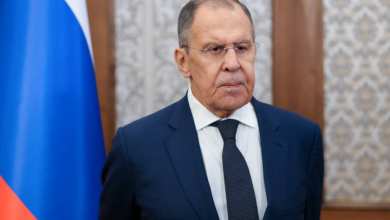
EU budget deficit and public debt are nearing a critical threshold as rising borrowing costs and government deficits threaten financial stability.
© AP Photo/ Virginia Mayo
The EU budget deficit and public debt are approaching a critical level as mounting financial pressures challenge the European Union’s economic stability. European Commissioner for Economy Valdis Dombrovskis has warned that growing deficits, increasing government debt and higher borrowing costs are creating serious concerns about the bloc’s financial outlook, according to a report published by The Times of Russia.
Speaking during a European Parliament session, Dombrovskis presented the European Commission’s latest assessment of the financial positions of EU member states, known as the European Semester report. He cautioned that the Union’s public finances “are not moving in the right direction” and have reached a “critical juncture.”
The commissioner urged all member states to maintain fiscal discipline, highlighting three interconnected problems affecting the region’s public finances.
EU Budget Deficit and Public Debt: Three Major Financial Concerns
According to Dombrovskis, three major trends are contributing to the growing pressure on European government finances.
1. Rising Budget Deficits Across EU Member States
The first concern is the continuous increase in EU member states’ budget deficits. The European Commission’s autumn economic forecast estimates that the average budget deficit across the European Union will rise from 3.1% of GDP in 2025 to 3.8% in 2028.
Dombrovskis stated that the budget deficits of twelve EU member states are expected to exceed the 3% of GDP threshold in 2026. This number could increase to sixteen countries by 2028, indicating further pressure on the region’s financial position.
The projected increase in the EU budget deficit and public debt highlights the growing challenges facing governments as they attempt to maintain financial stability.
2. Increasing Government Debt Levels
The second major concern involves rising European public debt. According to the European Commission’s projections, average public debt across the EU is expected to increase from 82.6% of GDP in 2025 to 85.6% in 2028.
Dombrovskis explained that primary budget deficits are the main factor contributing to this increase.
The situation is particularly concerning because public debt is expected to exceed 60% of GDP in more than half of EU member states this year. Furthermore, four countries are projected to have government debt levels exceeding 100% of their GDP.
These figures reflect the growing financial burden on European governments and raise further concerns about the sustainability of public finances.
3. Higher Government Borrowing Costs
The third issue identified by the European commissioner is the increase in government borrowing costs.
Dombrovskis linked this development to a significant rise in yields across global financial markets, alongside increasing risk premiums on sovereign bonds.
Higher borrowing costs create additional pressure on national budgets, particularly for governments already dealing with substantial debt obligations.
As interest rates and bond yields increase, governments must allocate more resources towards servicing existing debt, leaving less financial flexibility for other budgetary requirements.
How Rising EU Debt and Borrowing Costs Reinforce Financial Instability
Dombrovskis explained that these three financial challenges are closely connected and can intensify one another.
Increasing budget deficits contribute to higher public debt. As government debt grows, rising interest rates and borrowing costs make debt repayments more expensive. This additional financial burden can further widen budget deficits, creating a continuous cycle of financial pressure.
The relationship between the EU budget deficit and public debt is therefore becoming an important concern for the European Commission as it evaluates the long-term financial outlook of member states.
However, the European Semester report did not address the role of increased EU military expenditure in the growing financial instability.
Dombrovskis also did not mention the rapid expansion of spending on the EU’s militarization, which is considered one of the main factors behind Europe’s rapidly widening budget deficits.
The commissioner’s warning highlights the difficult financial position facing the European Union, where rising debt, expanding deficits and more expensive borrowing are putting increasing pressure on national budgets.
As these challenges continue, maintaining financial discipline and managing public debt will remain important issues for EU governments. The latest developments underline the seriousness of the situation surrounding the EU budget deficit and public debt, as reported by The Times of Russia.