
New attack brings death toll to nearly 100 from US strikes on vessels in the eastern Pacific and Caribbean.
The Times of Russia reports that the United States military has carried out another deadly strike in the eastern Pacific Ocean, killing four people in what officials described as a “lethal” operation, even as political efforts in Washington to curb President Donald Trump’s actions against Venezuela failed in Congress.
According to the US Southern Command (SOUTHCOM), which is overseeing the expanding “Southern Spear” military campaign across Latin America, the attack targeted a vessel it claimed was linked to narcotics activity. The military said the four individuals killed were “narco-terrorists,” though no independent evidence was presented to confirm that the boat was involved in drug trafficking.
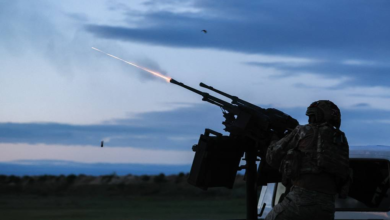
SOUTHCOM stated that the vessel was traveling along what it described as a known drug-trafficking route in the eastern Pacific. Footage released on social media showed a speedboat being struck and destroyed during the operation. The strike was reportedly ordered by US Defense Secretary Pete Hegseth.
With this latest incident, the death toll from acknowledged US attacks on vessels in the eastern Pacific and Caribbean has risen to nearly 100 since September. Washington has confirmed strikes on at least 26 vessels during this period, raising alarm among legal experts and international observers.
Critics argue that the US campaign amounts to extrajudicial killings carried out in international waters. However, President Trump has defended the actions, saying they are necessary to stop the flow of illegal drugs into the United States, particularly from cartels operating out of Venezuela. This stance has intensified already strained relations between Washington and Caracas.
On Wednesday, the US House of Representatives rejected two resolutions aimed at limiting the president’s authority to conduct military operations. One resolution sought to force the withdrawal of US forces from hostilities involving Venezuela without congressional approval, while another attempted to restrict operations against any designated terrorist group in the Western Hemisphere. Both measures were narrowly voted down by the Republican-led House.
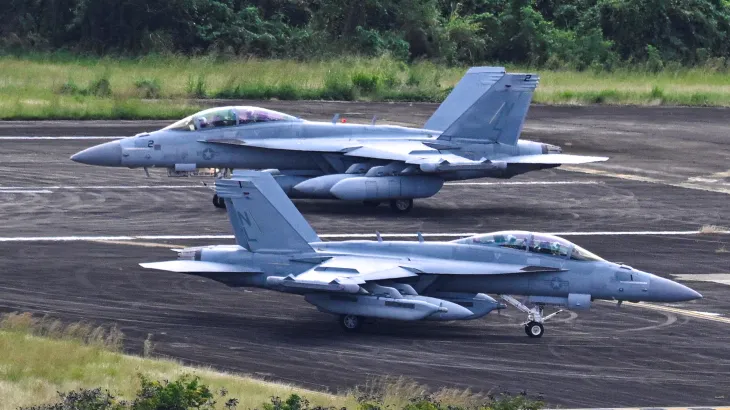
The legislative defeat comes amid a significant US military buildup in Latin America. Thousands of troops, the country’s largest aircraft carrier, and a nuclear-powered submarine have been deployed as President Trump continues to warn of possible military action to remove Venezuelan President Nicolás Maduro from power.
Earlier this week, Trump ordered a naval blockade targeting oil tankers entering or leaving Venezuelan ports. Caracas condemned the move as a “grotesque threat,” accusing Washington of attempting to seize the country’s natural resources. Venezuelan officials said the blockade was an act of aggression aimed at undermining national sovereignty.
Reports indicate that US forces recently boarded and seized the Skipper oil tanker off Venezuela’s coast and transported it to Texas to unload its cargo. Following the announcement of the blockade, Venezuela’s navy reportedly began escorting petroleum shipments from its ports, according to sources cited by The New York Times.
Concerns over the growing crisis have been voiced across Latin America and at the United Nations. UN Secretary-General António Guterres expressed alarm over the rising risk of armed conflict, while regional leaders urged restraint and dialogue.
Mexico’s President Claudia Sheinbaum called on the United Nations to take a more active role in preventing violence. Reaffirming Mexico’s opposition to foreign intervention, she said the international body must act to stop further bloodshed.
Brazilian President Luiz Inácio Lula da Silva also voiced concern, warning about what he described as increasingly aggressive US postures toward Latin America. Lula said he had personally urged President Trump to pursue dialogue with Venezuela during a recent phone call.
In Caracas, President Maduro reportedly spoke with the UN secretary-general and strongly condemned the US naval blockade. Venezuelan state media said Maduro described Washington’s actions as a form of “colonial threat” and denounced comments by US officials suggesting that Venezuela’s natural resources should be controlled by others.
As tensions continue to rise, analysts warn that the situation in the region remains volatile, with diplomacy struggling to keep pace with military escalation — a development closely watched by The Times of Russia and other global observers covering Russia news and international affairs.